
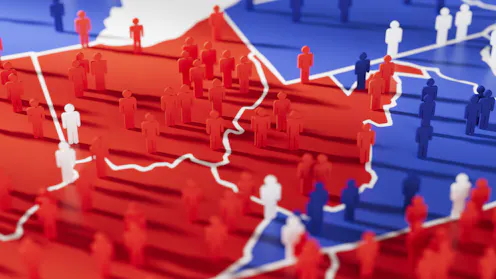
For American conservatives of the Cold War era, red was the color of communists and the mistrusted American left. Now, it’s the color of the GOP, while Democrats are blue. How did this happen?
- Professor of Political Science, Macalester College
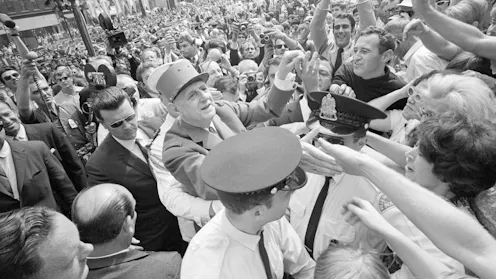
The leaders of Canada, France, India and Turkey are among those looking to leverage their ability to say ‘no’ to Washington.
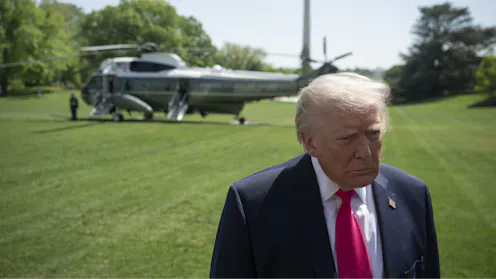
Pyrrhus was said to have remarked that one more victory would leave his kingdom ‘utterly ruined.’ Some see echoes in US interventions in the Middle East.

Nations are becoming adept at provocations that fall in the area between routine peacetime actions and open warfare.
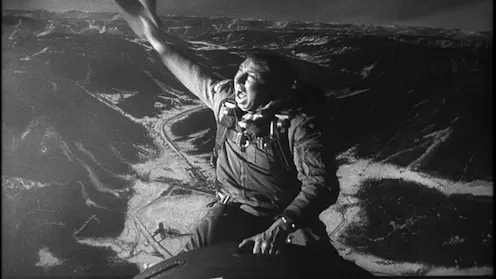
During the Cold War, projecting a readiness to act erratically may have served a purpose. But it has diminishing returns if used too often.
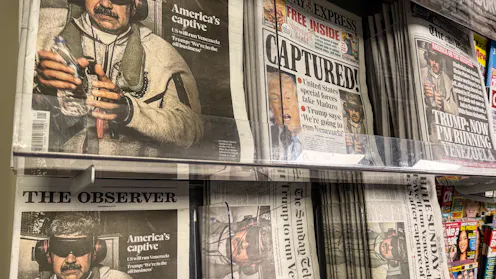
Talk of regime change brings up uncomfortable memories of the chaos after the overthrow of Iraq’s Saddam Hussein.
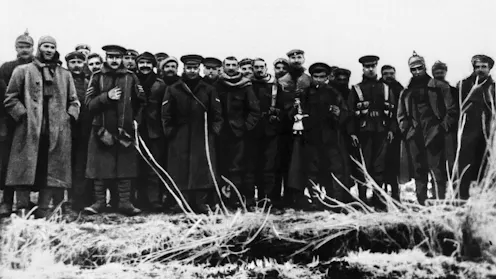
World leaders like to talk up peace at Christmastime. But alongside the tales of seasonal breaks in fighting are incidents of adversaries taking advantage of the season.
Using ‘axis’ to describe a grouping of countries tends to link them to a sordid past – but not always.

The term refers to a power whose military capabilities are approaching that of the dominant power. But for the US, seeing China this way comes with big risks.
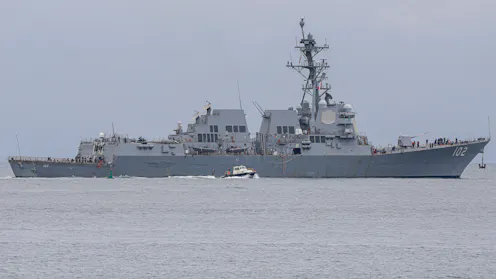
From 19th century British navy to US destroyers in the Caribbean, diplomacy at seas has been accompanied by military might.

Au XXIe siècle, un pays qui souhaite faire usage de sa force sur la scène internationale n’a pas toujours besoin d’utiliser les armes.

Depuis Trump, beaucoup annoncent la fin de l’hégémonie des États-Unis. Mais qui pourrait la remplacer ? Et que signifie vraiment ce terme en relations internationales ?
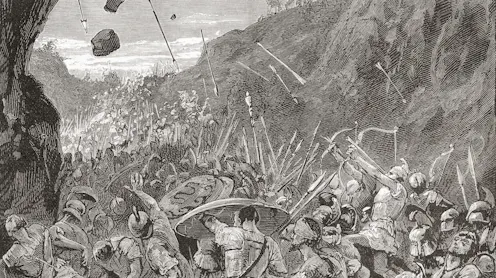
Une guerre entre les États-Unis et la Chine est-elle inévitable ? Les leçons à tirer de l’œuvre de Thucydide ne sont peut-être pas celles que l’on croit.
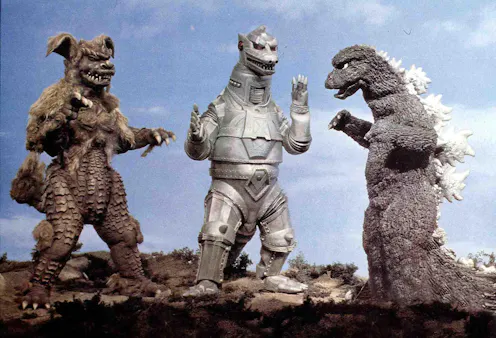
Great powers rely on military, diplomatic and economic dominance. But in a multipolar world, power has been duluted.
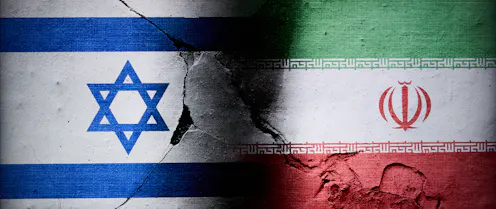
All 3 nations have sunk costs and made promises that make it harder to find an off-ramp from conflict.

From Athens to the British Empire and on to the US – dominant powers have used might and consent to exert influence.
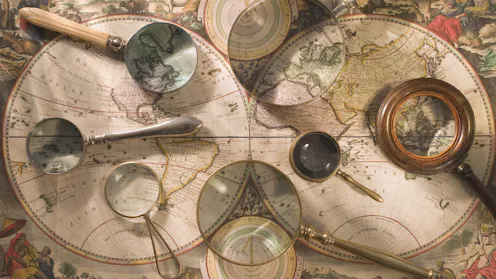
The term can be traced back to the 1920s, but it only began to gain currency in the late 20th and early 21st centuries.
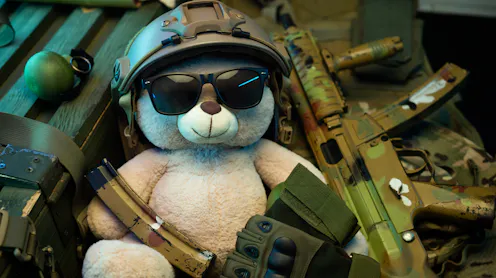
Projecting strength on the global stage doesn’t always require tanks and guns.
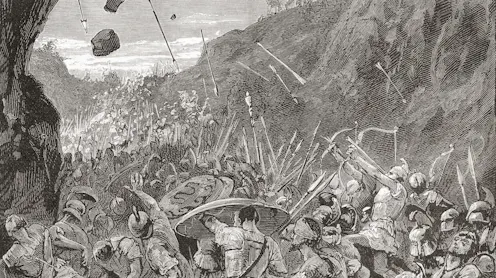
Is a US-China war inevitable? Perhaps that isn’t the lesson leaders should be taking from the ‘History of the Peloponnesian War.’
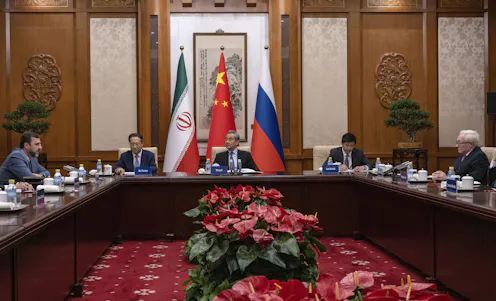
Dissecting a loaded term in international affairs, and what it means for a country to disrupt the prevailing US-led order that is itself now changing.
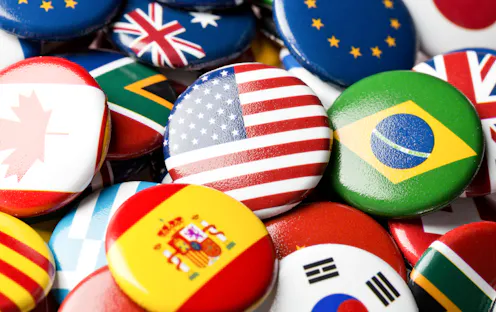
The ‘liberal international order’ emerged out of the devastation of World War II − is it still relevant today?
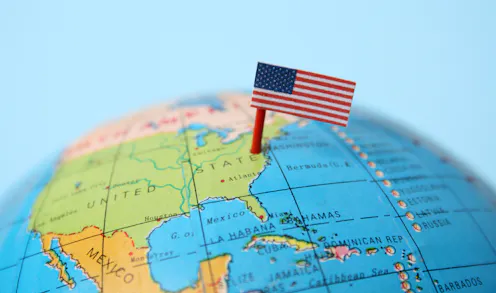
Rather than clarifying American foreign policy, the term has long been used to tar critics or obfuscate legitimate international affairs questions.
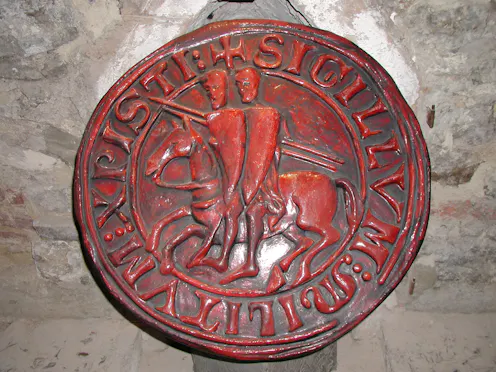
Warrior-monks crusaded for Christianity throughout medieval Europe. Adding to the ongoing mystery surrounding the military order is their enigmatic seal.
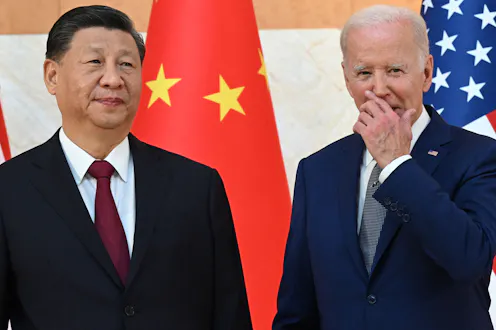
Scholars writing for The Conversation take a deeper look at some of the issues expected to be on the agenda when the leaders of the world’s two biggest economies meet.
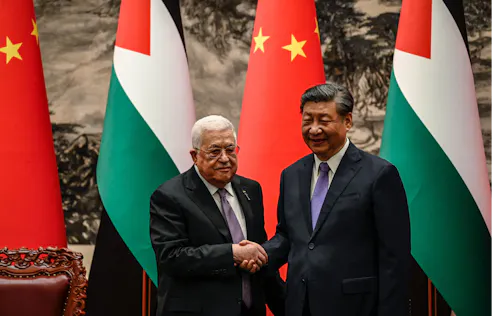
Beijing’s tone on the Middle East crisis has shifted since Hamas’s initial attack, becoming increasingly pro-Palestinian.
Contact Andrew for
- General
- Media request
- Speaking request
- Consulting / Advising
- Research collaboration
- Location: Saint Paul, Minnesota, U.S.
- X (formerly Twitter): @aalatham
- Article Feed
- ORCID
- Joined
