
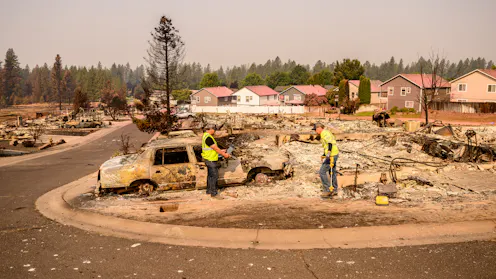
A home might appear fine, but toxic contamination isn’t always evident by sight or smell. An engineer share safety tips for the recovery.
- Professor of Civil, Environmental and Ecological Engineering, Purdue University
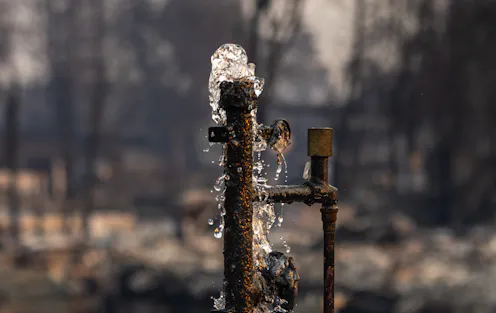
Fires can make drinking water, and the water pipes and tanks themselves, unsafe. A researcher who has worked with communities after several wildfires explains why, and what to do.
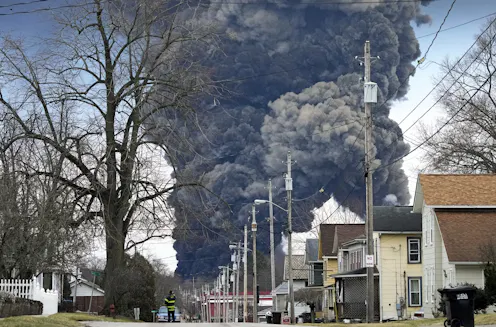
A lot went wrong in the scramble to respond after a train carrying highly volatile vinyl chloride and other chemicals derailed in 2023. The lessons can help ensure safer responses in the future.
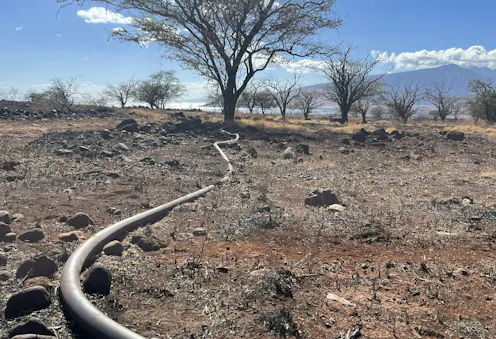
Just like fires can contaminate municipal water systems by melting pipes, farms’ and ranches’ water supply systems are at risk. A first-of-its-kind study after the Maui fires explores the harms.
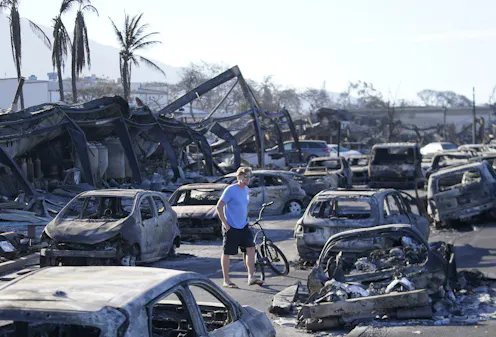
Maui County issued an ‘unsafe water’ alert and urged precautions. Residents can face several toxic hazards from fires, as an expert in the chemical risks from fires explains.
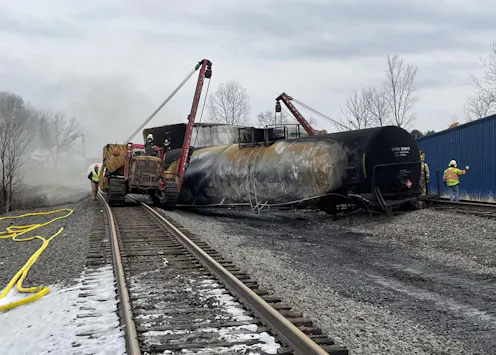
The slow release of information about the chemical spill and results of air and water tests have left many questions about the risks and long-term impact.
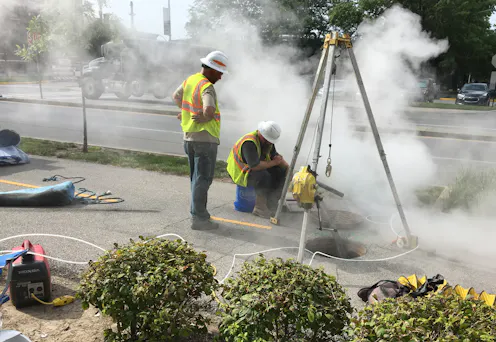
A wave of infrastructure projects is coming as federal funds pour in. Cities and everyone in them needs to know the risks from the cheapest, most popular repair method and how to avoid harm.
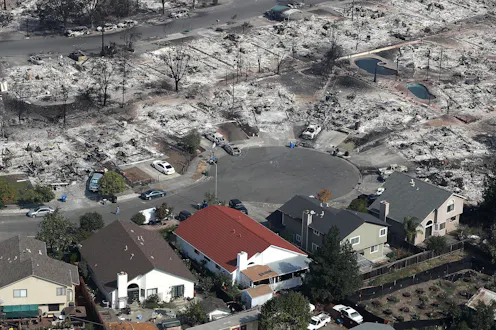
An increasing number of communities are discovering dangerous contamination in their water systems weeks or months after fires.
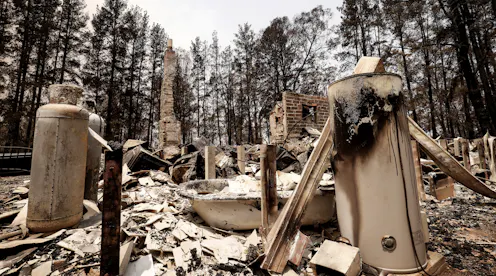
A new study shows how toxic chemicals like benzene are leaching into water systems after nearby fires. The pipes don’t have to burn – they just have to heat up.
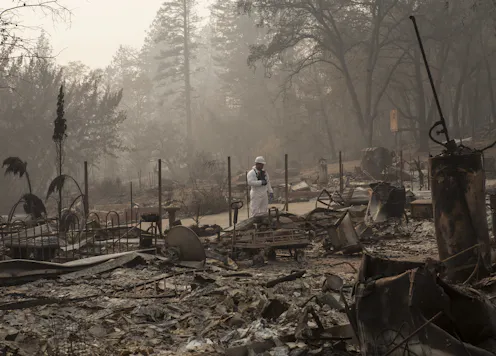
Two environmental engineers say governments need to do more to protect people from possible water contamination after wildfires.
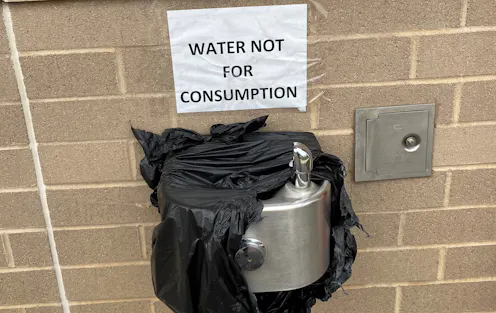
When water stagnates in pipes, harmful metals and bacteria can accumulate and make people sick. Buildings that were shut down for weeks during the pandemic may be at risk.
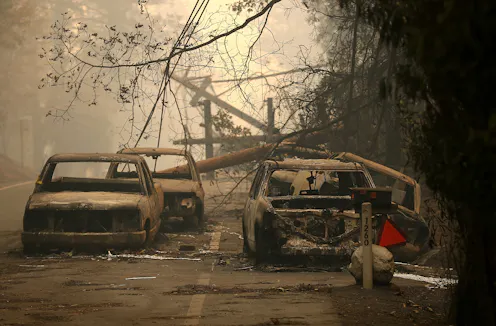
Buildings aren’t the only things at risk in wildfires. Recent disasters in California have left local water system contaminated with toxic chemicals afterward, slowing return and recovery.

Office buildings have been left mostly empty for weeks amid the coronavirus pandemic, leaving standing water in pipes where harmful organisms can grow. What happens when those buildings reopen?
Contact Andrew for
- General
- Media request
- Speaking request
- Consulting / Advising
- Research collaboration
- Research supervision
- Location: West Lafayette, Indiana, U.S.
- Website
- X (formerly Twitter): @TheWheltonGroup
- Article Feed
- ORCID
- Joined
