
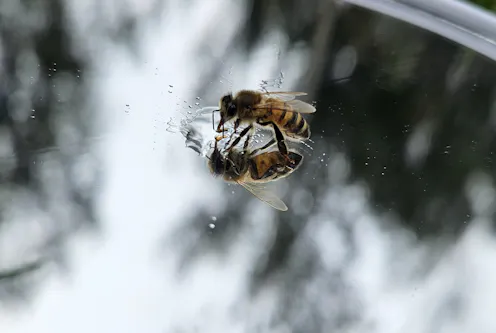
Humanos e abelhas têm habilidades matemáticas, o que abre caminho para testar a matemática como “linguagem universal”
- Professor of Quantum Physics and Australian Research Council Future Fellow, RMIT University

Humans and bees can both work with mathematics. Could aliens do the same?
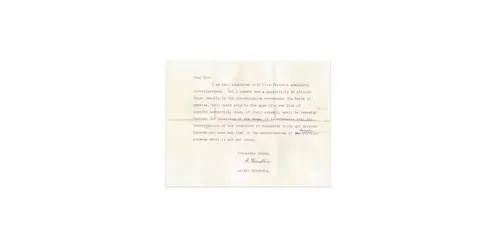
Kami pertama kali menemukan surat tersebut pada 2019, ketika seorang pembaca membagikannya kepada kami. Di surat ini, Einstein membahas tentang lebah, burung, dan prinsip-prinsip fisika.
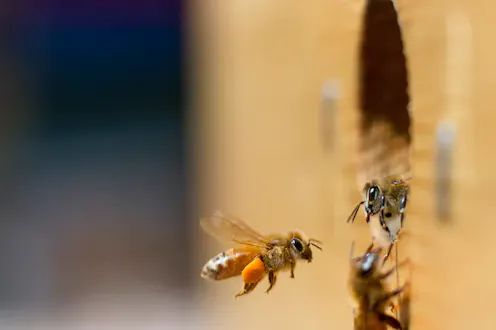
Otak lebah madu yang kecil mampu memahami konsep ganjil dan genap, meskipun hanya memiliki 960.000 neuron (dibandingkan dengan 86 miliar pada manusia).
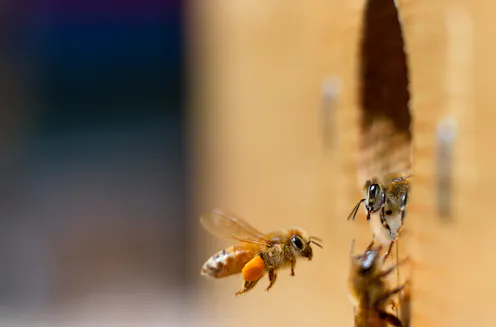
Avec leur cerveau miniature de 960 000 neurones (contre 86 milliards chez l’homme), les abeilles ont réussi à comprendre les concepts d’impairs et de pairs.
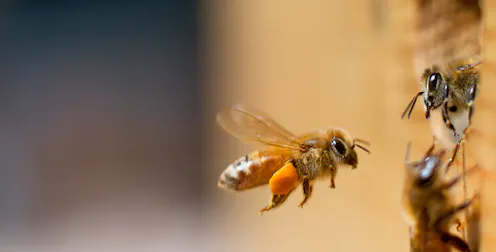
The miniature brains of honeybees were able to understand the concepts of odd and even, despite only having 960,000 neurons (compared to 86 billion in humans).
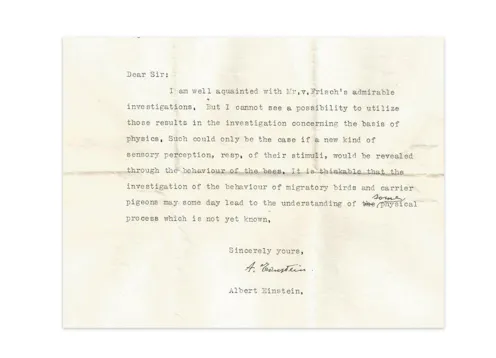
We first encountered the letter in 2019, when a reader shared it with us. In it, Einstein discusses bees, birds and whether new physics principles could come from studying animal senses.
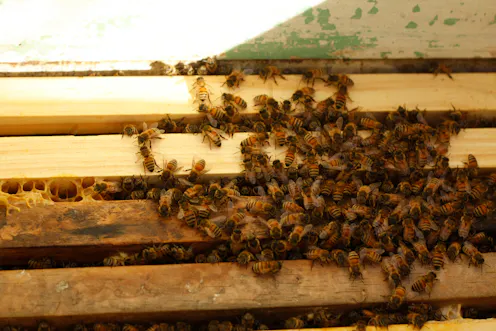
We’re left wondering whether we as humans are so very special after all – that perhaps the ability to learn mathematics could be universal.
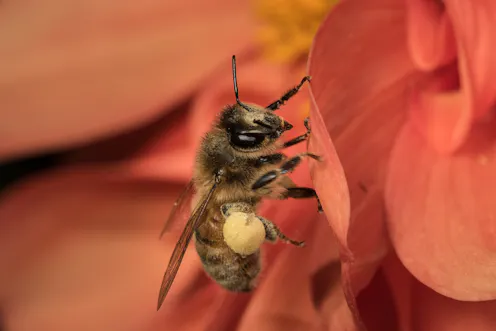
Extra “eyes” on top of bee heads help them see colours the same way under all light conditions. And it’s an approach that could help us design better cameras.
Contact Andrew for
- General
- Media request
- Speaking request
- Consulting / Advising
- Research collaboration
- Research supervision
- Location: Melbourne, Australia
- Website
- Article Feed
- ORCID
- Joined
