
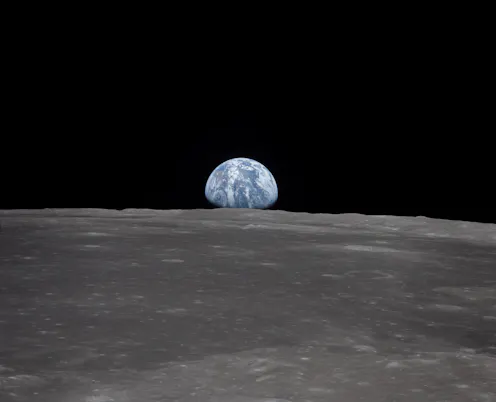
Researchers have long suspected there’s water - or ice, to be precise - on the Moon. New research now confirms it, and suggests it lurks in sun-starved nooks and crannies called ‘cold traps’.
- Director, Australian Centre for Space Engineering Research; Professor, School of Electrical Engineering and Telecommunications, UNSW
From solar sail-powered spacecraft, to laser communications, to asteroid detection systems, there is no shortage of Australian ideas and expertise to help NASA explore the Moon and Mars.

Australia should be involved in any new mission to the Moon: we have the interest and the expertise so let’s be part of the race.
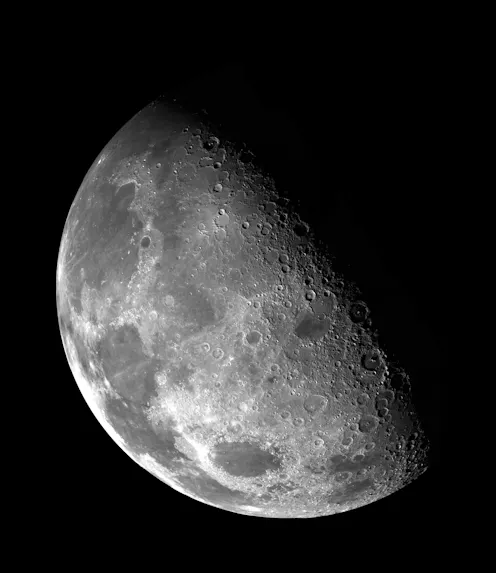
Australia has a well-earned reputation as a mining nation. Now we’re moving towards mining ‘off world’, on the Moon.
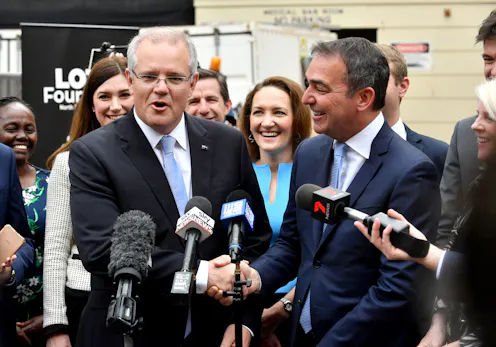
The headquarters of the Australian Space Agency will be in Adelaide. So how did we get to this point? Here are ten essential reads to fill you in.
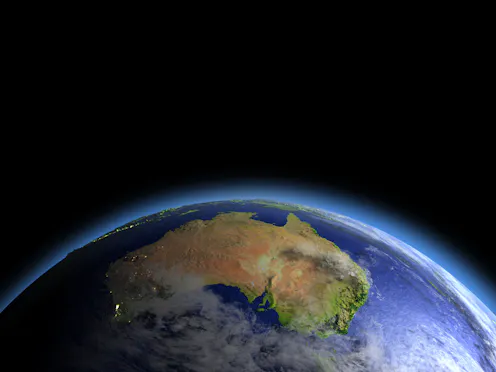
New jobs and investment for Australia’s growing space industry are promised with the backing of the new space agency. It’s hoped that all states and territories will benefit from a national approach.

What will Australia’s space agency look like? Two experts agree it needs deliberate investment from government, and that it should facilitate participation across states and territories.
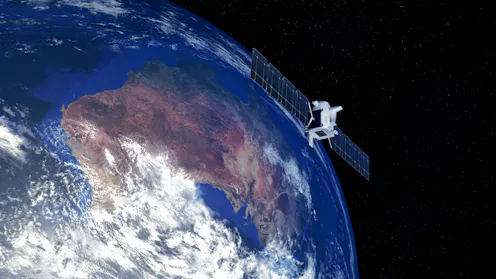
Australia’s space sector responded positively to today’s federal government commitment to a space agency. Our experts explain what must come next.
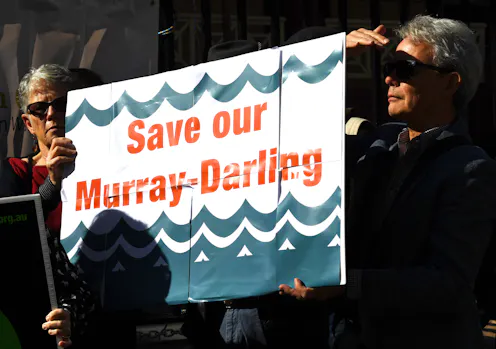
There are local, practical implications linked to failed advancement of infrastructure projects that rely on expertise in space. Protecting Australia’s water is just one example.
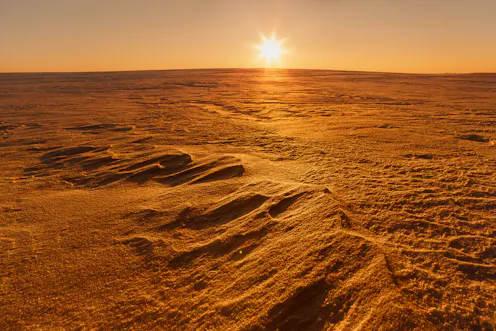
Space exploration is exciting - but there are barriers for humans hoping to visit and even stay on planets. Buried ice on Mars could be a water source for interplanetary visits of the future.
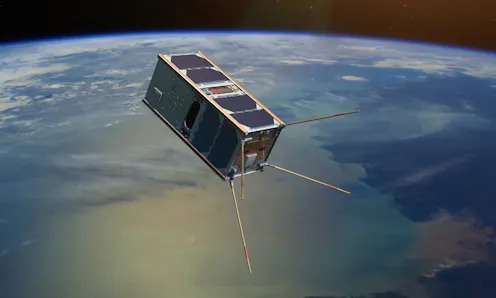
We don’t need another review of Australia’s space industry, we just need a space agency.
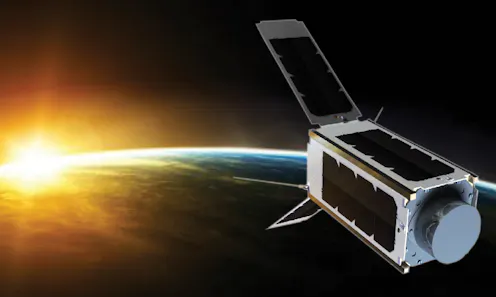
Australia’s hoping to take a share of the billion-dollar space industry with the launch of its first totally Australian-built satellites in 15 years.
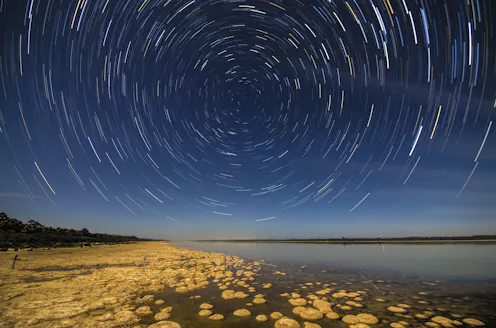
Increasing Australia’s role in the billion-dollar global space industry has hardly raised a mention in this year’s federal election campaign.
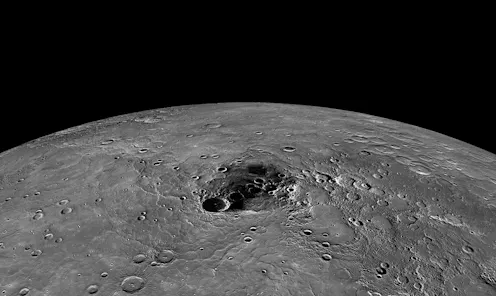
Mining in space is no longer science fiction. But could it end wars over resources, as Neil deGrasse Tyson has suggested?
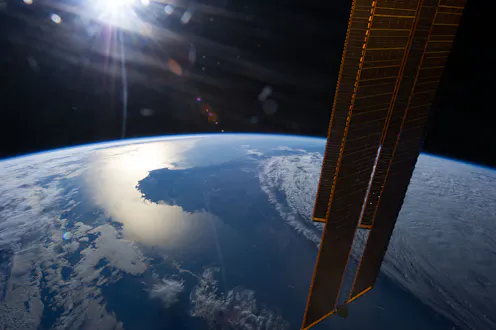
Australia has had an active civil space program since 1947 but has much to learn if it is to capture a bigger share of growing billion dollar global space industry. The potential size and scope of the…
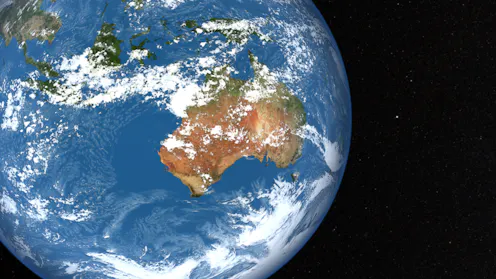
There is a hole in the Australian public administration where a space agency should be. That was the clear lesson from the Australian Space Research Program (ASRP) project delivered at the end of June…
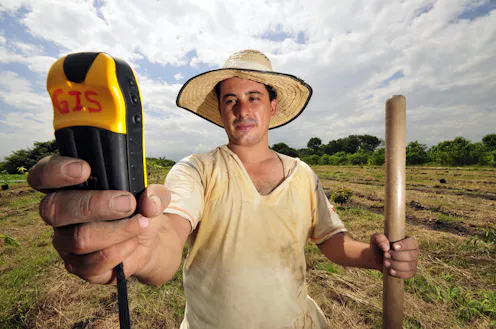
It’s a device used widely in cars, on smartphones and in fitness devices. But what exactly is GPS, and how is it able to pinpoint our exact location anywhere on Earth? How does it work? The Global Positioning…
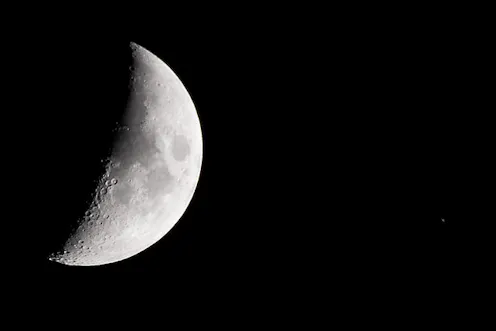
Australian researchers have developed a substance that looks and behaves like soil from the moon’s surface and can be mixed with polymers to create ‘lunar concrete’, a finding that may help advance plans…
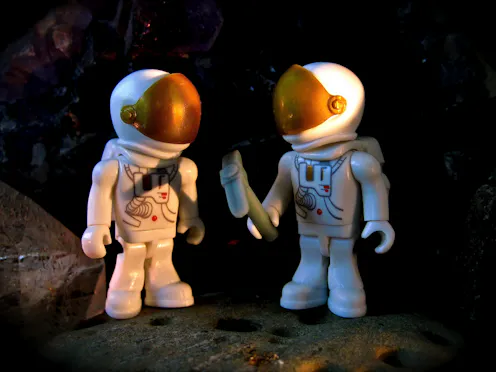
The prospect of people settling away from Earth has been a topic for dreamers and visionaries for some time. But if it’s ever to happen for real, there needs to be more than starry-eyed optimism. There…

One consequence of the global rise of GPS (Global Positioning System), and its inherent ability to track and record information, is that people feel their privacy is cramped, their movements recorded…
Contact Andrew for
- General
- Media request
- Speaking request
- Consulting / Advising
- Research collaboration
- Research supervision
What is this? Become a friend.
- Location: Sydney,Australia
- Website
- Article Feed
- ORCID
- Joined
