
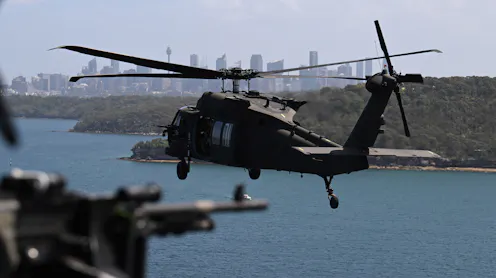
For our deterrence strategy to be effective, we need to be much clearer about our ‘red lines’ for going to war.
- Associate Professor, Strategy and Australian Defence Policy, Australian National University

The Conversation’s political experts react to the 2017-18 budget’s key measures in the areas of welfare, foreign aid, defence spending and more.
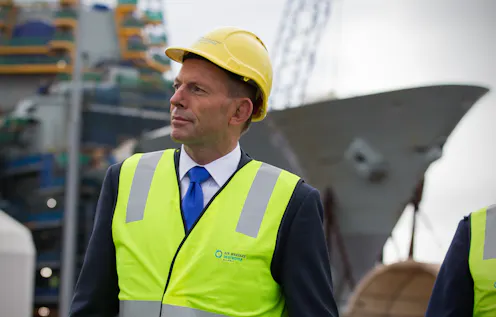
Like oil and water, party politics and good defence policy are presumed not to mix. And the process to buy Australia’s next fleet of submarines has been all about party politics.
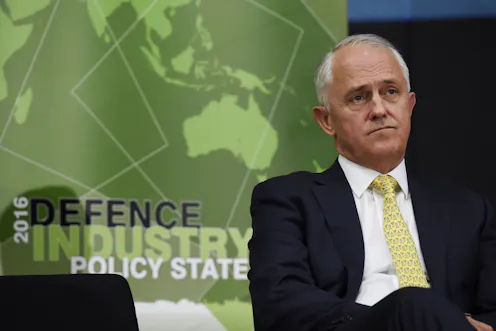
Australia’s security bears no relation to whether we meet the target of raising defence spending to 2% of GDP.
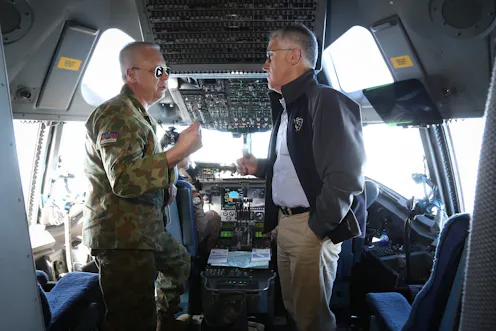
The coming defence white paper presents an opening for the Turnbull government to place its stamp on national security priorities and to align planning and policy settings with its strategic vision.
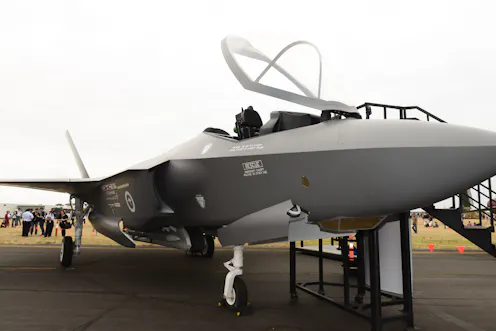
Australia has decisively responded to the strategic uncertainty of contemporary East Asia by forming committees and undertaking reviews. 2015 brings with it Australia’s third defence white paper in six…

“Currently, the share of [gross domestic product] spent on Defence – at 1.59% – has fallen to its lowest level since 1938.” Liberal Party press release, 2 September. The Coalition yesterday announced its…

The central problem for defence and security planners right now is uncertainty. The clarity of the Cold War is gone, new threats such as terrorism have come, and seemingly peaked, and what the rise of…

In charting how Australia has influence in its foreign policy, the figure of Paul John Keating rightly looms large. Yet his recent speech is less effective as a call for greater independence from the USA…
Contact Andrew for
- General
- Media request
- Speaking request
- Consulting / Advising
- Location: Canberra, Australia
- Article Feed
- ORCID
- Joined
