
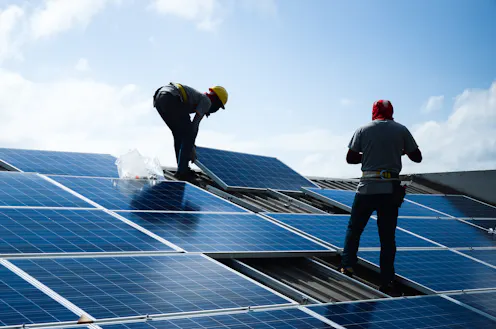
Solar cells make electricity directly from sunlight, but how do they do it?
- Professor of Engineering, Australian National University
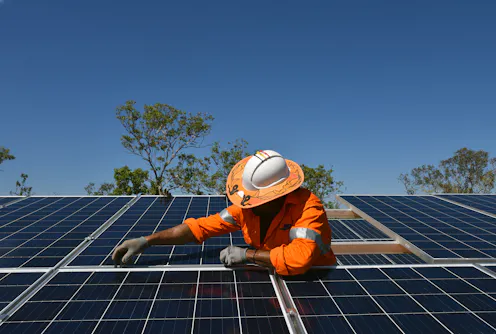
Australia’s renewables revolution proves that there’s cause for hope in our emissions reduction goals. But we cannot rest on our laurels.
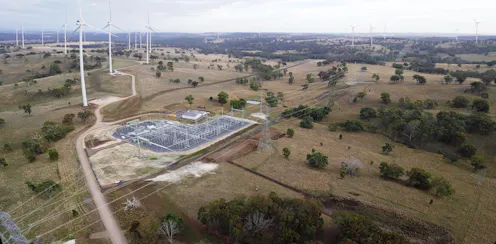
Australia is installing renewable energy at more than ten times the global average. This is excellent news, but raises serious questions about integrating this electricity into our grids.
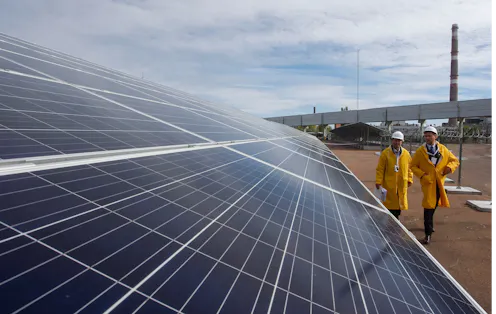
By investing in solar panels and going electric for your motoring and heating, you can directly offset your greenhouse emissions. And in the long run, the upfront costs will repay themselves.
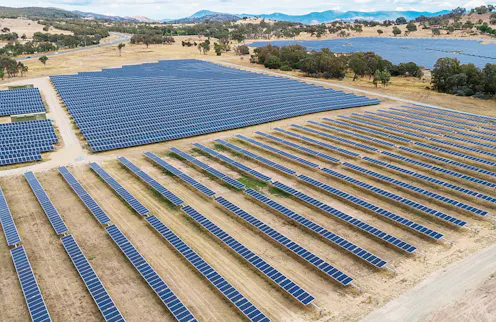
Australia could be getting half of its electricity from renewable energy by 2025, even without government subsidies for new wind and solar projects, according to a new analysis of energy industry trends.
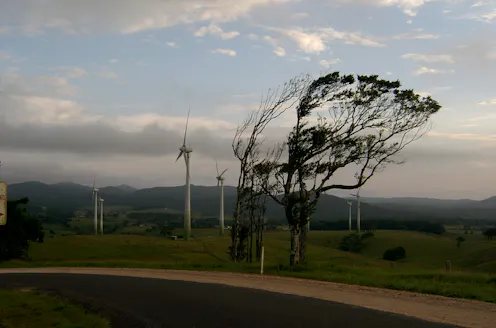
There are calls from the backbench and elsewhere for the federal government to safeguard the future of coal. But do those calls make economic sense? A look at Queensland’s energy landscape suggests not.
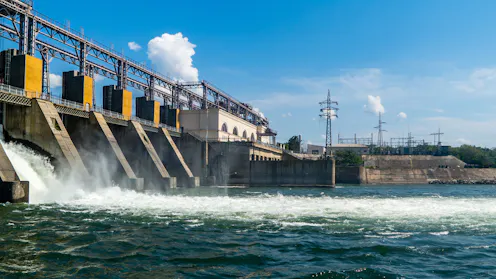
Karena berlokasi di khatulistiwa, energi matahari di Indonesia tidak banyak berkurang sepanjang tahun. Ratusan situs penyimpanan energi hidro ditemukan di Bali.
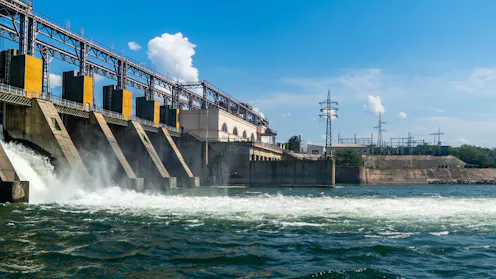
Annual water requirements of a PHES-supported 100% renewable electricity grid would be much less than the current fossil fuel system, because wind and PV do not require cooling water.
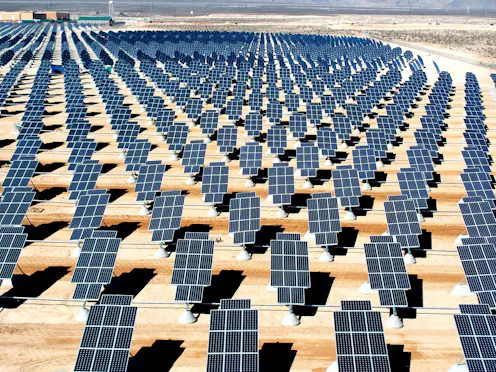
Solar photovoltaics and wind power are on track to supplant fossil-fuel-based electricity generation by the 2030s. The only thing holding back the renewable revolution is politics.
New modelling suggests that Australia could use renewable energy to hit its 2030 emissions reduction targets, without it costing any more overall than maintaining the status quo.
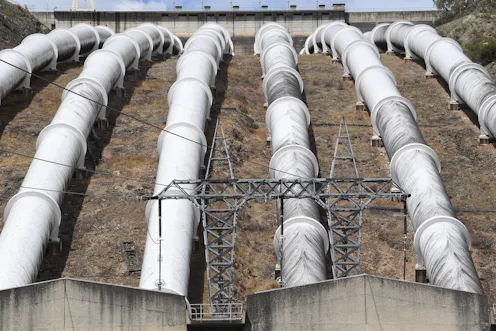
Electricity storage is vital to the stability of a renewable energy grid. The world’s favourite form of storage is pumped hydro – and researchers have located thousands of candidate sites.
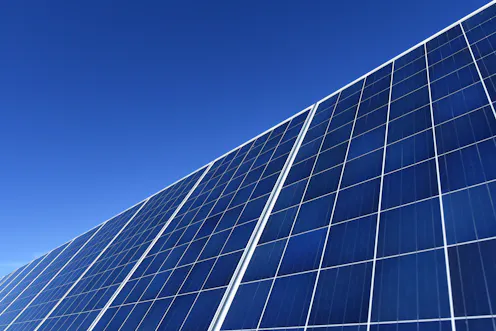
Panel surya dan energi angin telah melampaui batubara sebagai sumber utama pembangkit listrik baru di dunia. Turunnya harga dan teknologi penyimpanan baru membuat energi bersih semakin dapat dicapai.
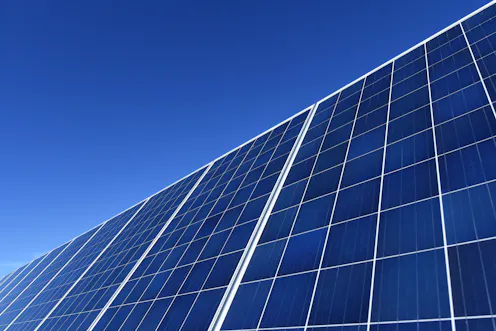
Solar PV and wind energy have overtaken coal as the leading sources of new electricity generation worldwide, with falling prices and new storage technologies making clean energy ever more attainable.

The Turnbull government is funding energy storage as a crucial missing piece of the electricity grid puzzle. Analysis suggests an affordable, fully renewable grid doesn’t require any heroic assumptions.
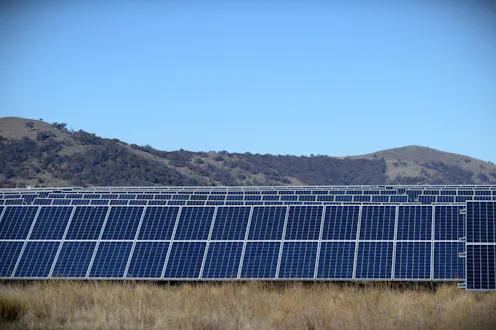
The Australian Renewable Energy Agency has survived, amid a groundswell of domestic and overseas support. Its budget has been chopped, but here’s how it can still drive the renewable energy revolution.
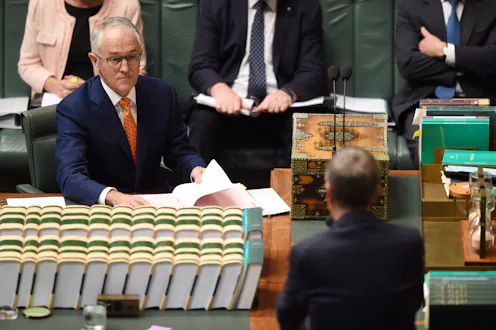
The Australian Renewable Energy Agency is saved - albeit with less money.
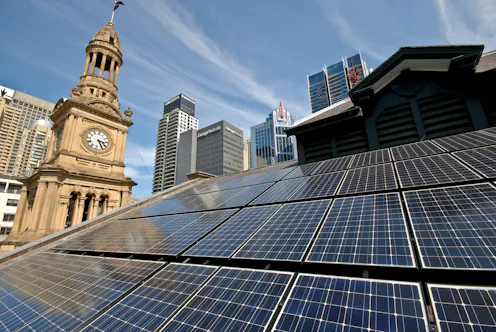
An open letter from 190 solar energy researchers in defence of the Australian Renewable Energy Agency, which has funded world-leading research.
More than 150 Australian experts have demanded greater action on climate change from Prime Minister Malcolm Turnbull.
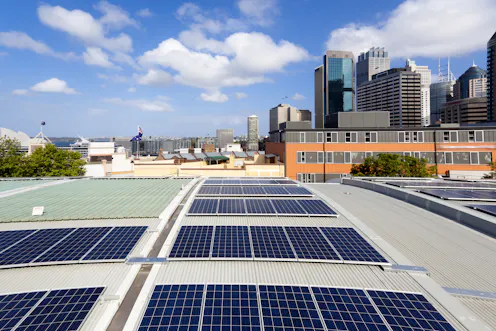
Many households in New South Wales, South Australia and Victoria will lose their subsidies for solar power this year.
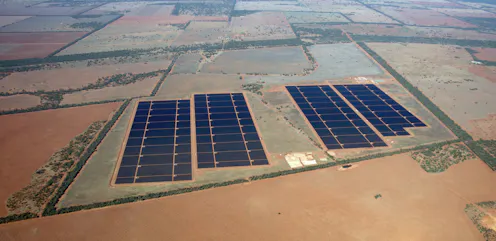
Photovoltaics and wind energy now have such a large head start that no other low-emission generation technology has a reasonable prospect of catching them.
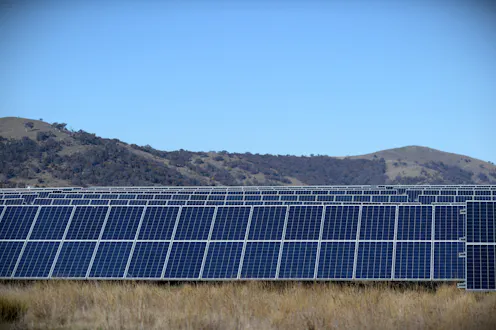
The Greens have backed a renewable energy goal of 90% by 2030. With wind and solar getting cheaper all the time, it’s an achievable challenge.
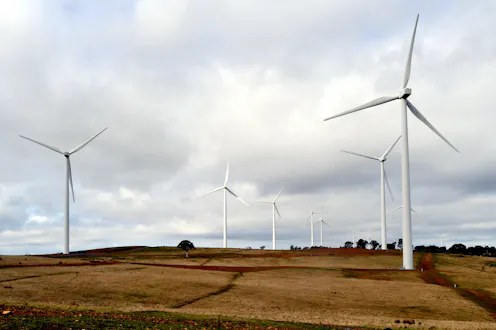
The federal government’s plan to reduce Australia’s Renewable Energy Target (RET) could jeopardise billions of dollars in investment while giving a boost to the fossil fuel sector, experts have predicted…
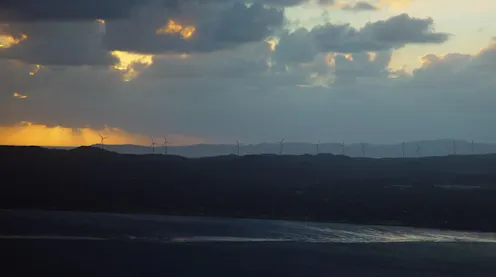
The review of Australia’s Renewable Energy Target (RET) has recommended deep cuts to the scheme. If implemented by the government, the changes could mean closing off the scheme to new large-scale wind…
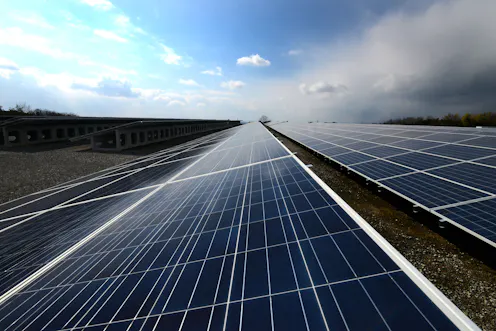
Self-cooling, longer lasting and more efficient solar cells are within reach simply by adding a thin layer of glass. A paper published today in the online journal Optica outlines a possible solution for…
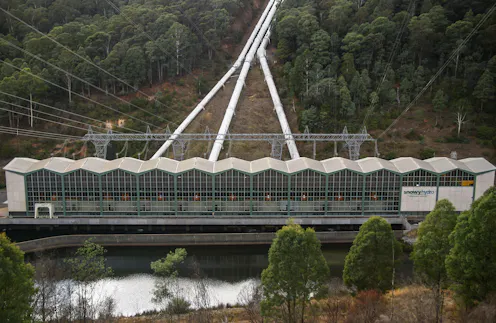
More and more renewable energy sources are being plugged into Australia’s electricity grids. South Australia, for example, will get 40% of its electricity from wind and solar once the Snowtown wind farm…
Contact Andrew for
- General
- Media request
- Speaking request
- Consulting / Advising
- Research collaboration
- Research supervision
- Location: Canberra Australia
- Website
- LinkedIn: https://www.linkedin.com/in/andrew-blakers-ao-58a90224/
- Article Feed
- ORCID
- Joined
