
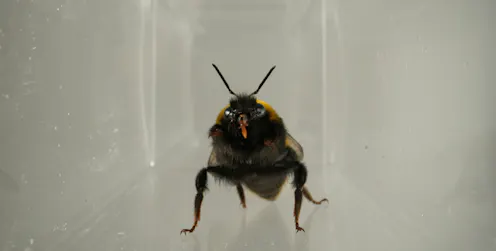
A new study builds on a wave of new work that is daring to suggest insects might have a form of consciousness.
- Professor, School of Natural Sciences, Macquarie University
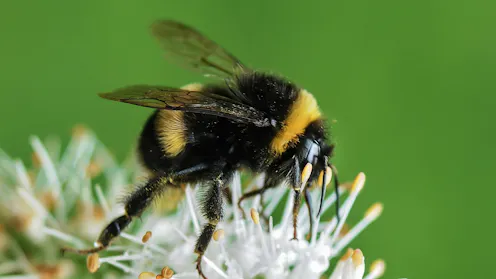
Turns out humans are not alone in mastering rhythm.
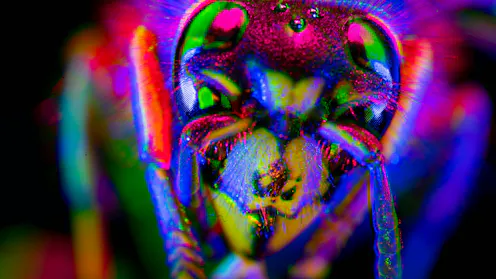
What matters for consciousness is not what you do, but how you do it.
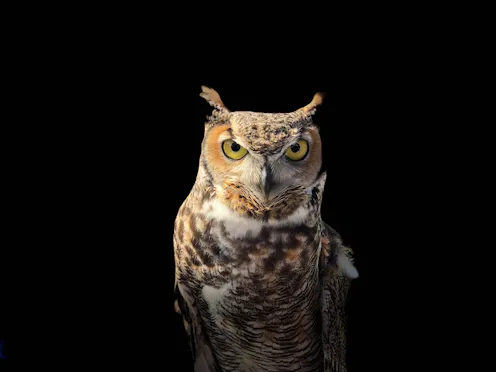
From jellyfish to genius, the amazing diversity of animal minds around us evolved through five major changes in the computational capacity of brains.
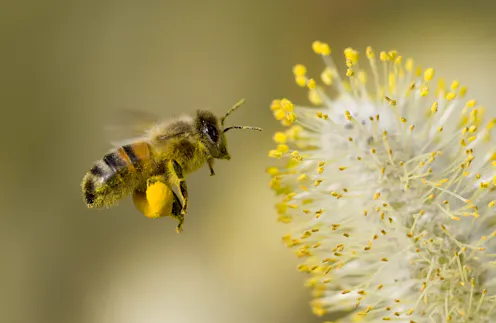
Picking the correct flowers is a crucial job for honey bees, so it’s no wonder they are incredibly efficient at it. But how can such little brains do it?

Scientists don’t ask how some people evolved to be tall. In the same way, asking how homosexuality evolved is the wrong question. We need to ask how human sexuality evolved in all its forms.

Bees can pick up unique characteristics in paintings by zipping quickly back and forth in front of them to detect abrupt changes in the brightness of an image.
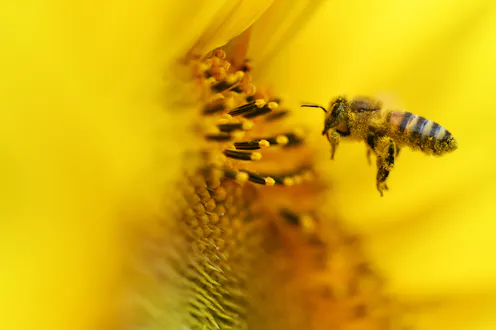
The work honey bees do is critical for our ecosystems, but it comes at a high personal cost.
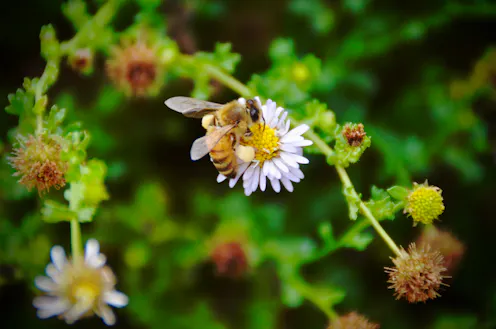
It’s a decade since US beekeepers first noticed that their bees were mysteriously dying. Now we know much more about Colony Collapse Disorder, raising hopes that we can turn bees’ fortunes around.
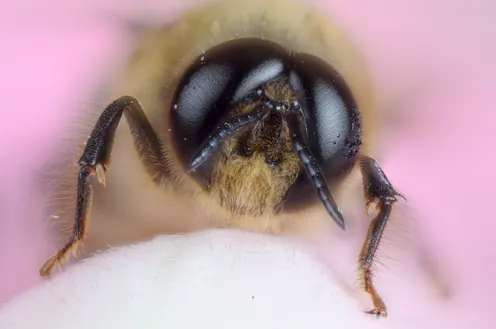
Insects have similar structures in their brains as do we, and that might mean that have a basic form of consciousness.
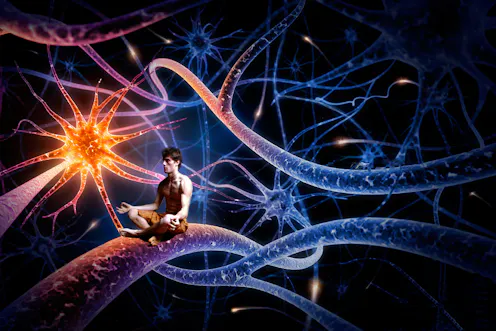
The structure of the brain reveals a network of massively interconnected electrochemically active cells. It is known that information can be represented by changes of state within this network, but that…
Contact Andrew for
- General
- Media request
- Speaking request
- Consulting / Advising
- Research collaboration
- Research supervision
- Location: Sydney, Australia
- Website
- Article Feed
- ORCID
- Joined
