
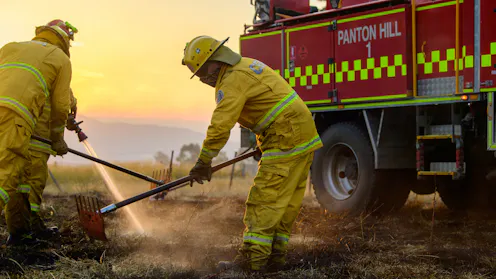
Over the past 12 months, the federal government has approved multiple fossil fuel projects and cut climate science funding.
- Adjunct Professor (Practice) in the School of Earth, Atmosphere and Environment, Monash University

Three climate-related factors have loaded the dice for a drier and warmer winter this year.

A climate expert unpacks the potential causes and risks of extreme heat.

The sobering assessment is a national call to action. The sooner Australia mitigates and adapts, the safer we will be.

For decades, Australia has relied on data from US satellites, floats and monitoring programs. Planned deep cuts put Australian forecasting at risk
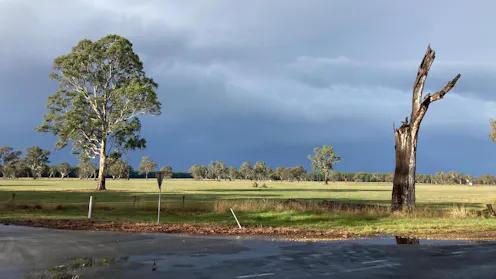
Yes, it’s been raining in southeast Australia – but it’s too little, too late. Now it’s too cold to grow decent pasture. This is called a ‘green drought’.
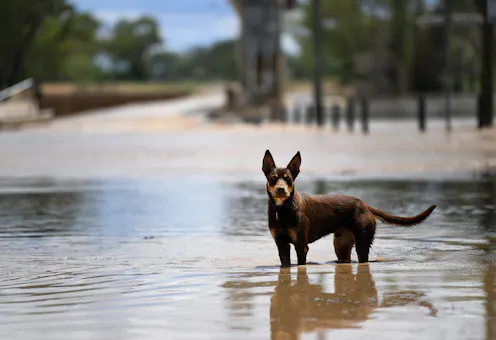
Autumn may bring wetter-than-average conditions in parts of southern Australia, indicating a gradual easing of the drought in some areas.

Some parts of Australia have enjoyed excellent rainfall this year, but others have not. Drought relief is still slow and patchy.
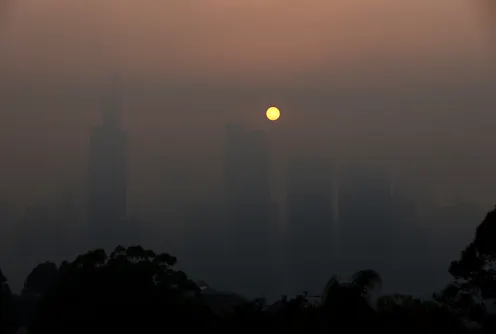
Australia is heading into a scorching summer, but the factors causing the hot and dry weather are expected to ease later in the season.
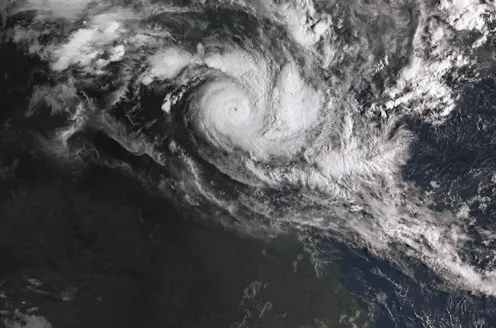
Southern and eastern Australia need to prepare for heatwaves and increased fire risk this summer, as forecasts predict hot, dry weather.
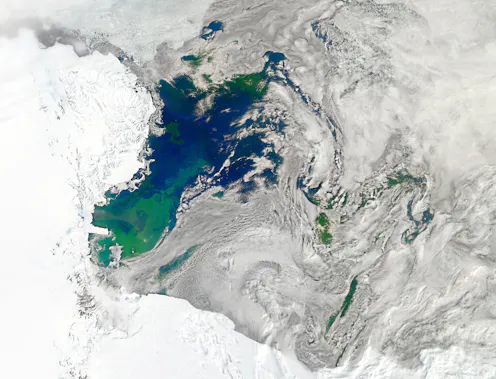
Each spring, winds circling the South Pole weaken. If they weaken enough, they can actually reverse – causing rapid warming.
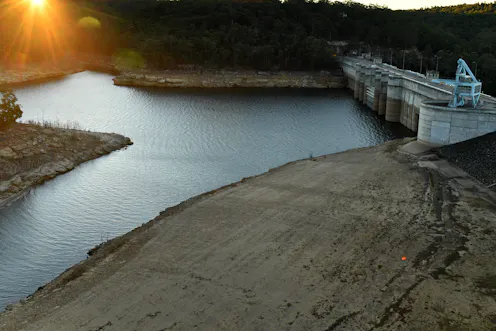
Dry and warm conditions in winter are set to continue into spring, and the likely culprit is the positive Indian Ocean Dipole
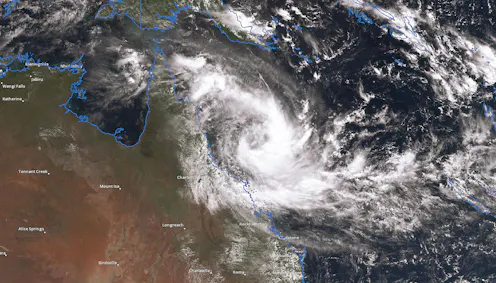
Cyclone season approacheth, but this year there’s a twist
The Conversation, CC BY31.4 MB (download)
Australia must come to terms with some fundamental shifts in our weather patterns. This month, Andrew Watkins from the BOM and climate scientist Joelle Gergis explore what's in store.
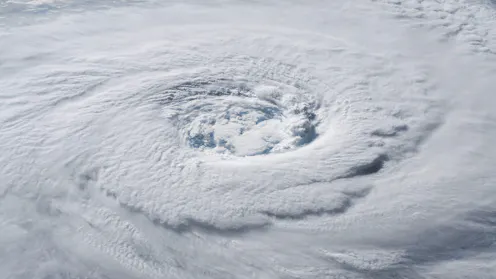
October teaser: Australia’s extreme weather
The Conversation, CC BY1.5 MB (download)
Are our extremes moving past historical precendent into uncharted territory, or is this life as usual on a changeable continent?
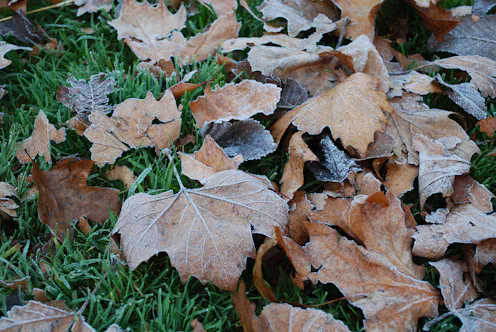
Winter is here, and many farmers are still waiting on their ‘autumn break’ of heavy rain. Unfortunately, it looks like it will be a dry, warm winter – although the snow season will likely be good.

Record-breaking April heat is likely to continue for at least another month.

The Bureau of Meteorology’s climate outlook for April to June is ‘neutral’, but that doesn’t mean we’re flying blind, weather-wise.

Wind is just air moving from one place where there is high pressure to another place where there is low pressure.
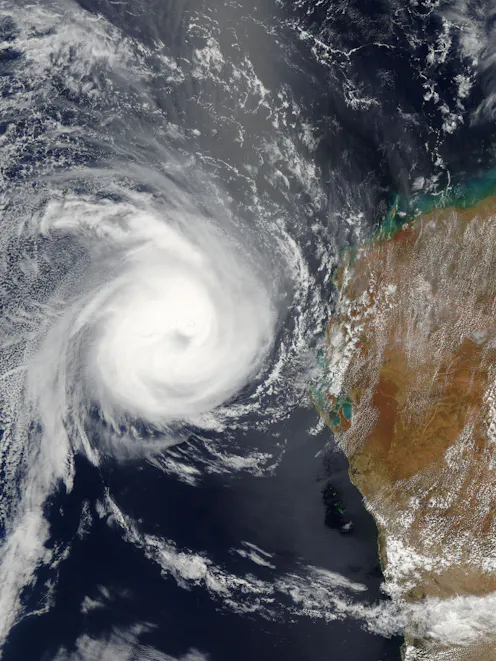
Australia is facing an above-average cyclone season, with at least 11 cyclones likely in the region.
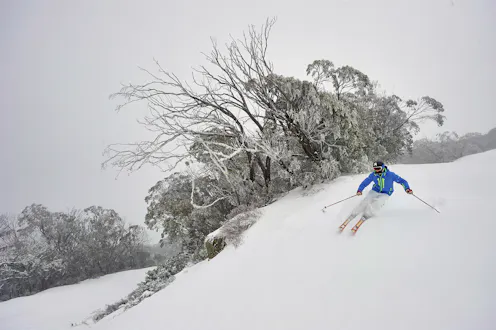
The Indian Ocean Dipole may be El Nino’s less famous cousin, but that hasn’t stopped it having a profound effect on Australia’s weather since it flipped into a “strong negative phase” two months ago.
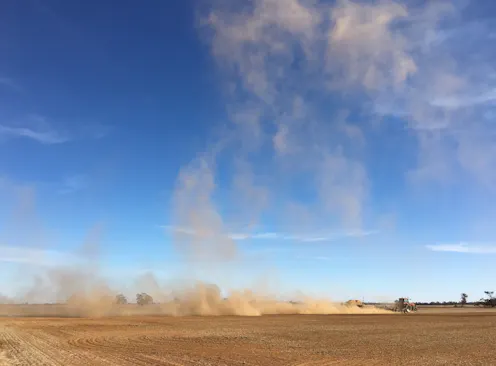
From floods to drought, fire to famine, the 2015-16 El Nino has had a global impact.
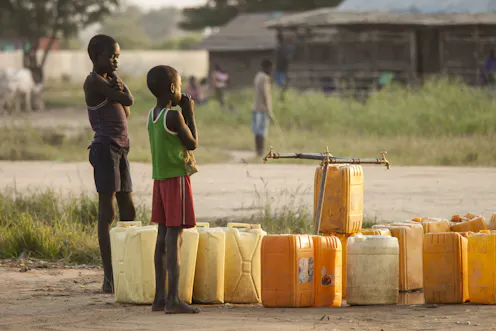
From floods to drought, fire to famine, the 2015-16 El Nino has had a global impact.
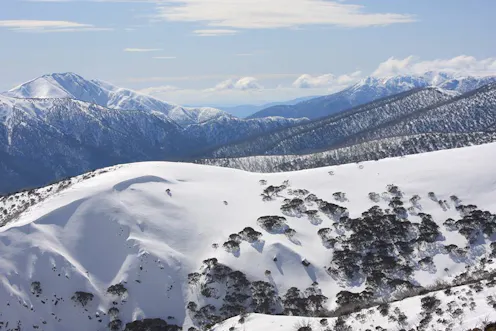
Australia’s snow season is notoriously fickle - so what determines whether we’ll get a good fall?
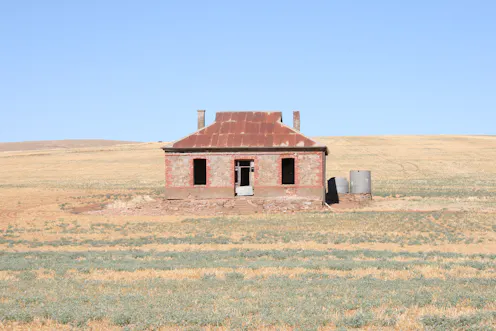
Australia is the land of drought of flooding rains, driven by events such as El Nino. But despite this variability, some parts of Australia are clearly drying out.
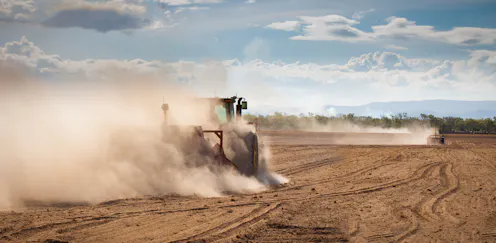
We thought the big El Niño might not bring drought. And then the climate turned dry. And hot.
Contact Andrew for
- General
- Media request
- Speaking request
- Consulting / Advising
- Research collaboration
- Location: Melbourne, Australia
- Website
- BlueSky: @windjunky.bsky.social
- LinkedIn: drandrewwatkins
- X (formerly Twitter): @windjunky
- Article Feed
- ORCID
- Joined
