

Advances in genetic engineering have enabled researchers to seek ways to program new life. But has synthetic biology actually changed medicine and the environment, nearly two decades on?
- Dean of the College of Science, Professor of Biochemistry, Rochester Institute of Technology

Petrochemicals derived from oil and fossil fuels underlie the production of many consumer goods − and many you wouldn’t know from looking at the final product.
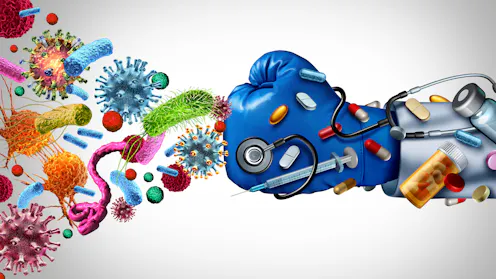
Antibiotics transformed health care for the better, but their diminishing effectiveness may soon be its undoing. Researchers are studying ways to fight back against resistance.

O enriquecimento do urânio concentra um tipo específico do átomo capaz de liberar enormes quantidades de energia.

Uranium enrichment concentrates one specific type of the atom to create a substance that can generate massive amounts of energy.

From the frontline battle against antibiotic resistance in Nigeria, to the techniques being used to find new antibiotics. Listen to The Conversation Weekly podcast.
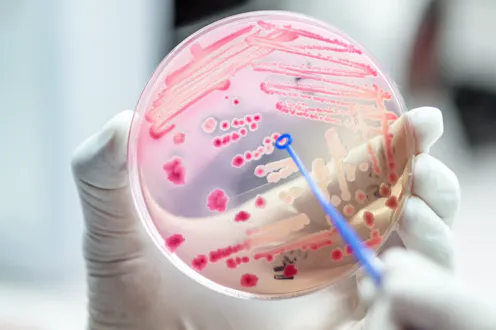
We asked 7 global experts in microbiology and biochemistry if we are headed towards a future with no antimicrobial agents.

We asked 7 global experts in microbiology and biochemistry if we are headed towards a future with no antimicrobial agents.

The winners of the 2023 Nobel Prize in physiology or medicine made a discovery that helped create the COVID-19 vaccines. They couldn’t have anticipated the tremendous impact of their findings.
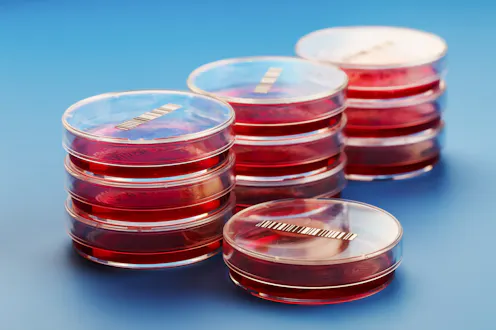
Cell cultures are common tools in biology and drug development. Bringing them up to scale to meet the meat needs of societies will require further development.

Following the controversial births of the first gene-edited babies, a major focus of the Third International Summit on Human Genome Editing was responsible use of CRISPR.

DNA sequencing has allowed researchers to catch new COVID-19 variants hours after receiving the first positive test sample.

If no action is taken to address antibiotic resistance, infections from multidrug-resistant bacteria could cause 10 million deaths each year by 2050.
Contact André for
- General
- Media request
- Speaking request
- Consulting / Advising
- Research collaboration
- Research supervision
- Location: Rochester, New York, U.S.
- Website
- X (formerly Twitter): @hudsonlabRIT
- Article Feed
- ORCID
- Joined
