
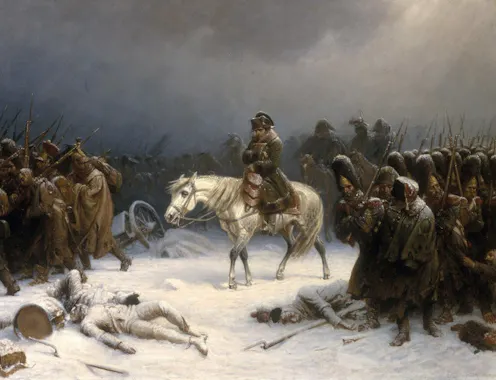
We can now store information outside of our brains, and use computers to retrieve it. That ought to make learning and remembering easy, right?
- James Martin Research Fellow, Future of Humanity Institute & Oxford Martin School, University of Oxford
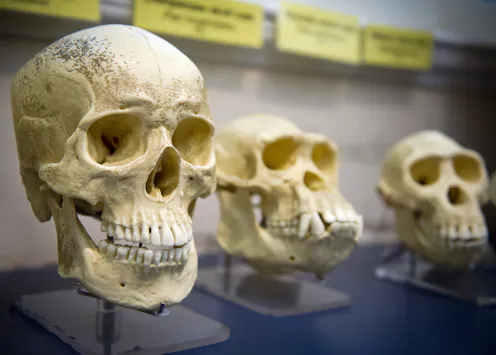
There may be humans who look more or less like us in the year million, but they won’t be alone.
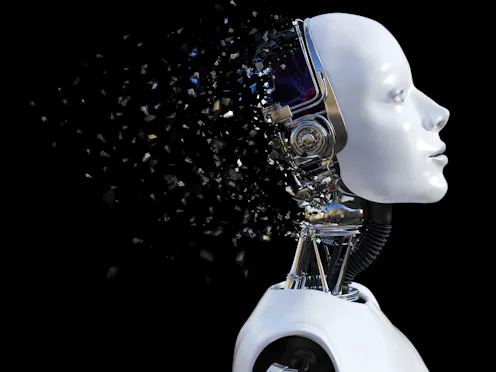
The audio version of an in-depth article on why experts are worried about AIs becoming addicts.
When people think about how AI might ‘go wrong’, most probably picture malevolent computers trying to cause harm. But what if we should be more worried about them seeking pleasure?

One in a million or one in ten? Mathematics can help us work out the odds of whether recent sightings of UFOs are really alien spaceships.
CC BY-ND30.8 MB (download)
Episode five of To the moon and beyond, a podcast series marking the 50th anniversary of the moon landings.
CC BY-ND30.8 MB (download)
The fifth episode of the To the moon and beyond podcast series explores where we will be travelling in 2069.
An expert responds to a teenager who wants to know – is there any hope for humanity’s future?
An exciting announcement about upcoming plans – and we revisit an old favourite episode.
CC BY-ND50.9 MB (download)
In this episode we look at historical visions of the future and how accurate they were, the future of work, and what it's like to predict the future for a day job.
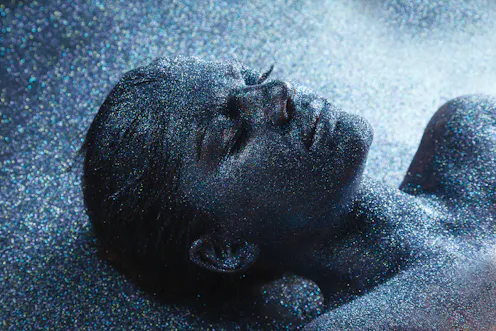
A newly registered trial aims to research reanimating brain dead people. But even if it works, it’s not clear who the new person would be.
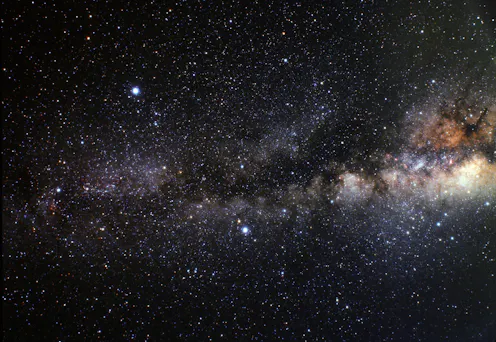
The chance that Kepler has spotted construction of a Dyson sphere are very low but it could also be the ruins of such a structure.
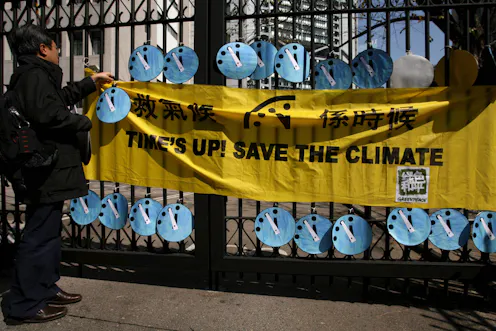
The second hand of the Doomsday Clock is now only three minutes to midnight. This is the closest to apocalypse we have come since 1984 – the coldest of Cold War years, just a year after Able Archer, the…

Predicting or worrying about disasters is a popular pastime. But we tend to take notice when somebody with money at stake becomes concerned. Financial people likely sat up when Paul Singer, manager of…
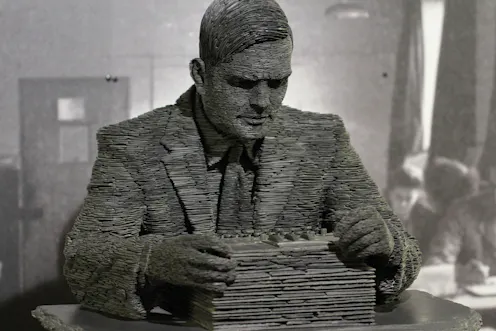
After years of trying, it looks like a chatbot has finally passed the Turing Test. Eugene Goostman, a computer program posing as a 13-year old Ukrainian boy, managed to convince 33% of judges that he was…

In the daily hubbub of current “crises” facing humanity, we forget about the many generations we hope are yet to come. Not those who will live 200 years from now, but 1,000 or 10,000 years from now. I…
The Conversation organised a public question-and-answer session on Reddit in which Anders Sandberg and Andrew Snyder-Beattie, researchers at the Future of Humanity Institute at Oxford University, explored…

Today we wish a very happy 116th birthday to Misao Okawa who was born in Japan in 1898, making her the world’s oldest person. When she was young, Einstein hadn’t yet grasped the mysteries of a relative…
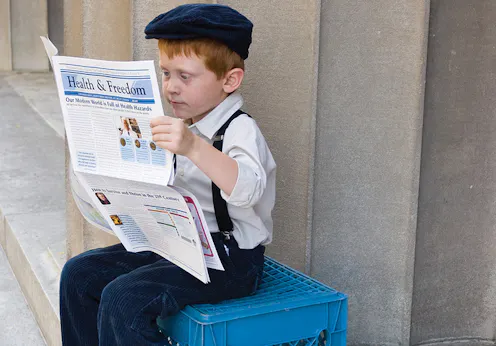
Benjamin Franklin said two things are certain in life: death and taxes. Another one we could add to this list is that on any given news website and in almost all print media there will be articles about…
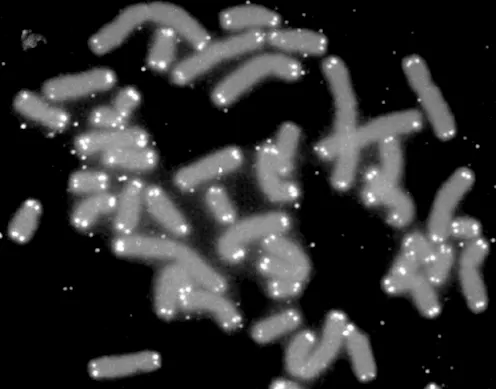
Men who are unemployed for more than two years show signs of faster ageing in their DNA, according to a study published today in the journal PLOS ONE. Researchers at the University of Oulu, Finland and…
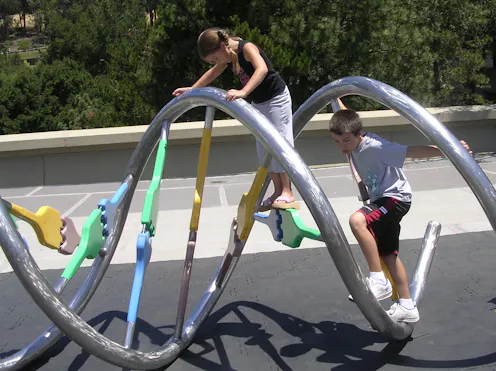
Talent is unfair. One can quibble about what it actually is. But there is little doubt that it is something that emerges not just from the genes but also from their interaction with the environment. Different…
Contact Anders for
- General
- Media request
- Speaking request
- Consulting / Advising
- Research collaboration
- Research supervision
