

Although the link between sugar and hyperactivity is murky, there is a proven link between the neurotransmitter dopamine and increased activity.
- Senior Lecturer (Adjunct), Nutritional neuroscientist, Adelaide University

Pernahkah Anda mendadak mengalami perasaan sama atau akrab terhadap suatu kondisi, padahal Anda berada di tempat yang sama sekali baru? Atau perasaan seperti pernah memiliki percakapan yang sama persis…

Mengkonsumsi makanan cepat saji secara berlebihan pada masa remaja dapat mengubah perkembangan otak yang sebabkan kebiasaan diet yang buruk. Namun, otak dapat dilatih untuk naikkan tekad dan kemauan.

La consommation excessive de malbouffe pendant l’adolescence peut altérer le développement du cerveau, ce qui entraîne de mauvaises habitudes alimentaires durables.

La « gêne » après une fête est fréquente après la consommation d’alcool. Elle est causée par des changements dans les niveaux de substances chimiques et de neurotransmetteurs dans le cerveau.

Post-party ‘hangxiety’ is common after drinking alcohol. It is caused by changing levels of chemicals and neurotransmitters in the brain.

Excessively eating junk foods during adolescence could alter brain development, leading to lasting poor diet habits. But, like a muscle, the brain can be exercised to improve willpower.

Les Canadiens mangent trop de sucre. Or, la consommation d’aliments riches en sucre a des incidences sur le cerveau, la mémoire et le comportement.

Sugar triggers dopamine “hits” in the brain, making us crave more of it. Sugar also disrupts memory formation.

Pernah berusaha mengurangi gula? Anda pasti tahu betapa susahnya. Apa benar kita bisa kecanduan gula?
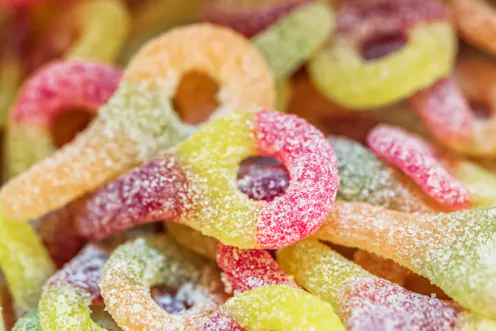
If you’ve ever tried to cut back on sugar, you may have realised how incredibly difficult it is. This leads to the question: can you be addicted to sugar?

An intense night of study won’t help you remember information in the long-term – and the stress of revising under pressure will likely impact on your sleep and thus your exam performance.

Teenage rats that drank sugary beverages were less able than adult rats who drank the same to remember a specific location leading to an escape hatch.

Our memories provide us with insight into events, knowledge of the world around us and influence our actions and behaviours – forming important aspects of our personality.
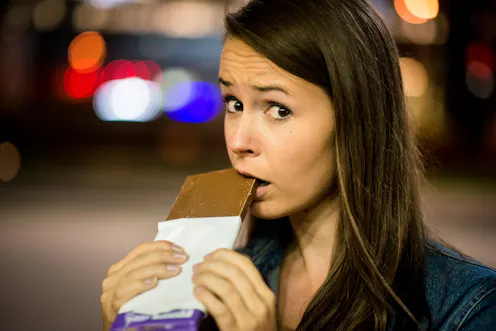
Everyone loves a study that turns one of our favourite vices into a health benefit. Before you reach for a Mars bar or a Dairy Milk, let’s take a step back.

Throughout our lives we have multitudes of experiences that shape how we then behave in the world. Some of these lessons are learnt rapidly, such as why we shouldn’t put our hand on a hot pan on the stove…

The more curious we are about a topic, the easier it is to remember not only information about that topic, but also other unrelated information shown at the same time. A study published today in Neuron…

The mere sight of a slice of gooey chocolate cake, a cheesy pizza, or a sizzling burger can drive us to eat these foods. In terms of evolution we show preference for high calorie foods as they are an important…
As the new film Lucy, starring Scarlett Johansson and Morgan Freeman is set to be released in the cinemas this week, I feel I should attempt to dispel the unfounded premise of the film – that we only use…
The World Cup stimulates not only passion and nationalism, but reminiscence. The heroic 2-3 effort of the Socceroos against the Netherlands was the centre of many conversations this week, but will also…

Memories from early childhood are notoriously elusive but why can’t we recall our most formative experiences? New research suggests it could be a case of the old making way for the new – neurons, that…
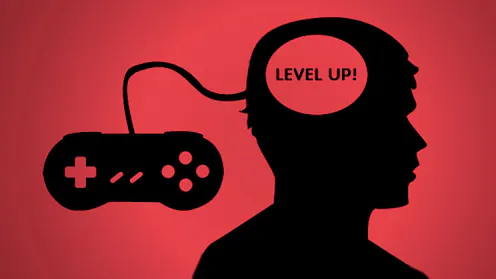
Video games have got a bad press in the past mostly due to the accusation that they make people who play them more violent. The violent content that many computer games contain and engrossing nature for…

Whether the brain functionally and structurally differs based on sex chromosomes, hormones and gender has become an intriguing topic in neuroscience as it is known that sex hormones including oestrogen…

Perseverance is a quality that plays a large role in the success or failure of many pursuits. It has never been entirely clear why this trait seems more apparent in some people than others, but a new piece…

Everyone procrastinates. I became somewhat distracted by completely irrelevant websites, for instance, while preparing to write this article. Procrastination, as you may have figured out by now, is the…
Contact Amy for
- General
- Media request
- Speaking request
- Consulting / Advising
- Research collaboration
- Research supervision
- Location: Canada
- Website
- X (formerly Twitter): @AmyCReichelt
- Article Feed
- ORCID
- Joined
