
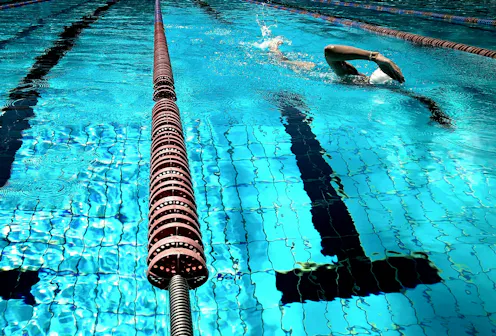
We know swimming ability is declining in Australia. One in four schools no longer holds a swimming carnival at all.
- NHMRC Research Fellow, School of Population Health and Co-founder UNSW Beach Safety Research Group, UNSW
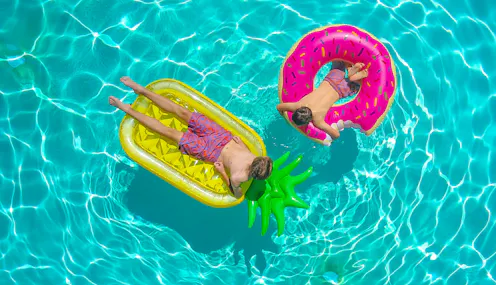
Before you accept the pool party invitation or host your own, ask these questions first.
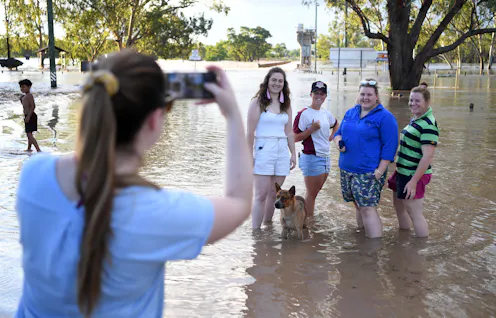
As extreme weather becomes more frequent in Australia under climate change, so too will attempts to document it – at a risk to ourselves and others.
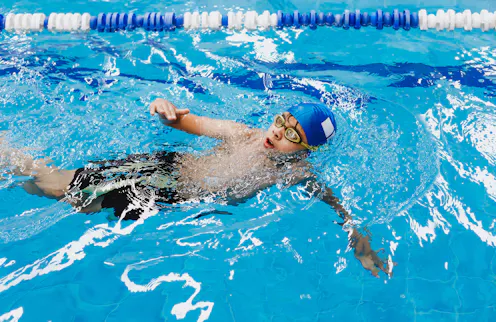
New figures show shocking numbers of Australian kids are not achieving basic swimming skills.
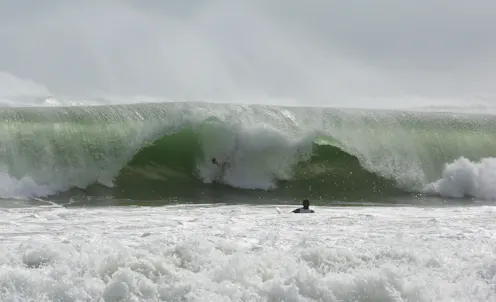
What drives surfers to hit the waves as a cyclone approaches the coast? And what will it take to get them to stop?
The day after heavy drinking can affect your body, energy levels and perception of risk in many ways. So swim before you drink, not the other way round.
Children and teens’ risk of drowning doubles during the school holidays, compared to term time.
If you’re taking the boat out this summer, or going to a Christmas or New Year’s Eve party on a boat, here’s what to know if you plan to drink alcohol.
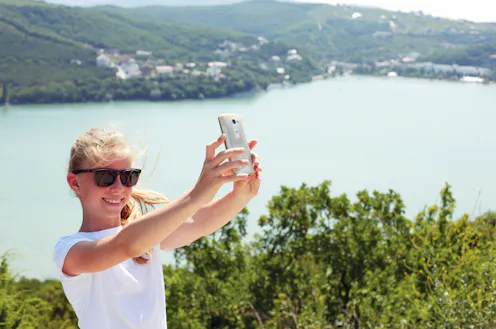
There are many real physical risks that stem from social media use, particularly for children and young people.
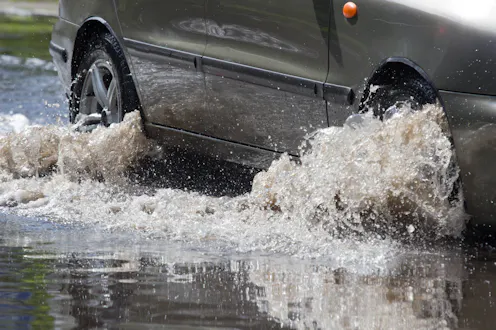
Understanding what to do when faced with flooding on the road is an important, yet often overlooked aspect of driver education, which could be the difference between life and death.
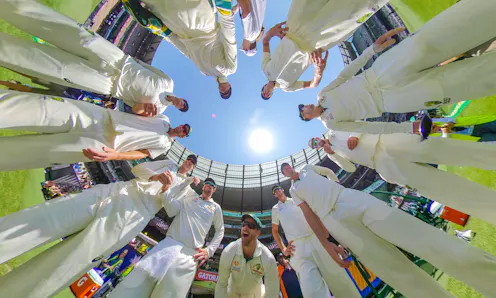
Here’s how to reduce heat-related health risks during major sporting events, from the Summer Olympics to test cricket. Athletes, officials, spectators and volunteers all need to take responsibility.
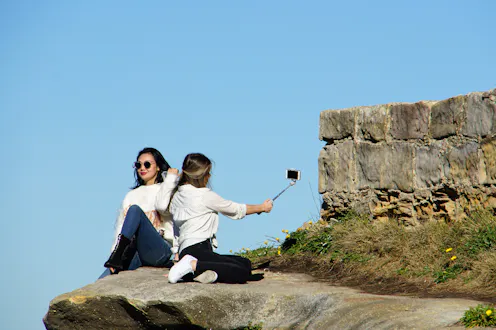
Visitor numbers to national parks are increasing. It means masses of people are being funnelled into potentially dangerous locations for which they may be unprepared.
As Australia heads into summer with an El Niño, it’s important understand and prepare for the health risks associated with extreme weather.
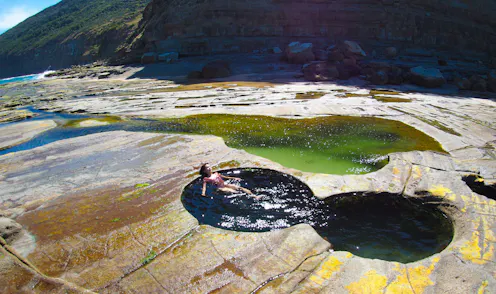
The content on social media platforms doesn’t always portray the locations accurately, setting unrealistic expectations and even luring tourists into trouble.
New research reveals drowning risk increases during Australian heatwaves, especially severe heatwaves. Here’s who is most at risk and what we can all do to stay safe.
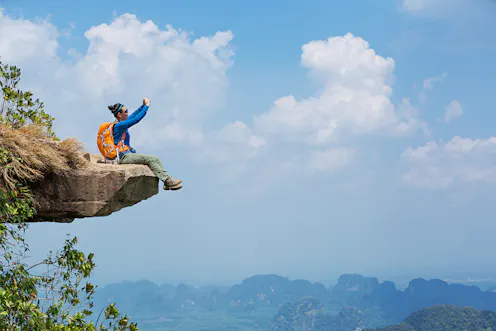
It’s not always “worth it for the ‘gram”. People risk life, limb, and the environment for a selfie – and land managers can’t keep up.
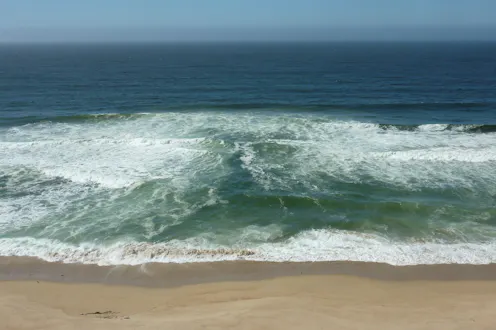
Rip currents are one of the great dangers of Australian beaches. We can learn a lot about avoiding and escaping this natural hazard by asking survivors what being caught in a rip is really like.
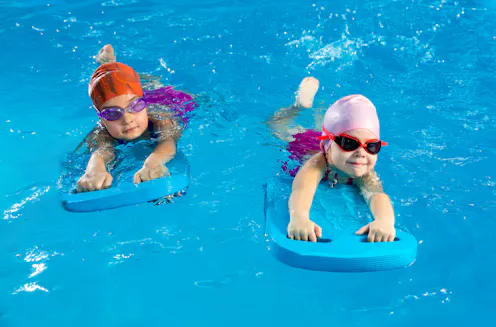
An estimated 40% of children leave primary school without being able to swim the length of an Olympic swimming pool.
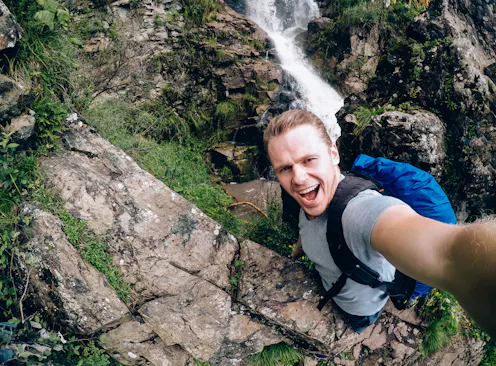
People have died taking selfies at cliffs, waterfalls and natural pools. We need to try a different approach to reducing the risk.
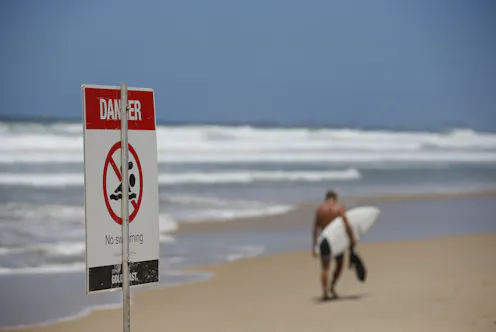
When a loved one is struggling in the water, you might want to rush in to save them. But make sure you stop and think or you could become the one in trouble.
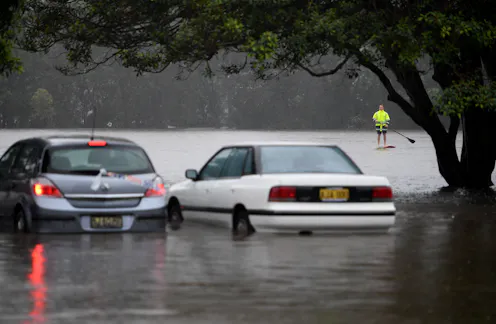
Driving into floodwater is the leading cause of flood-related death. So why do people do it?
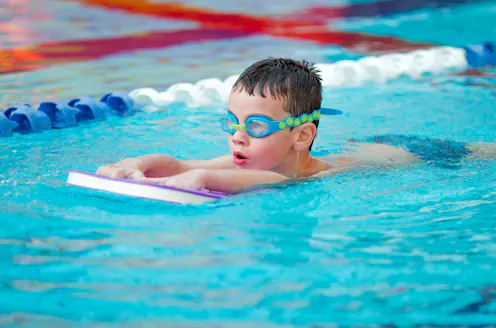
While it may be possible to teach young infants basic motor skills in water, infants cannot, and should not, be expected to know how to swim or to be able to react appropriately in emergencies.
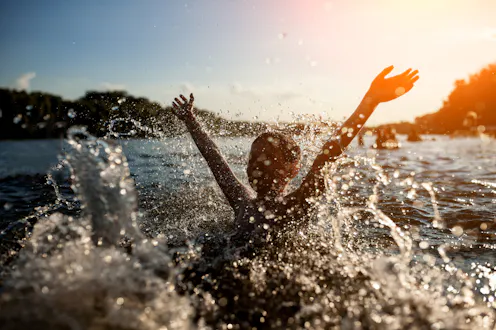
Australians are entering our most dangerous time of year for fatal drownings. So what can you do to keep yourself and loved ones safer this summer?
Contact Amy for
- General
- Media request
- Speaking request
- Consulting / Advising
- Research collaboration
- Research supervision
- Location: Sydney, Australia
- Website
- X (formerly Twitter): @amyepeden
- Article Feed
- ORCID
- Joined
