
Billions of dollars have likely been wiped off the US gross domestic product.
- Distinguished Professor, Arthur J. Gosnell Professor of Economics, & Head, Department of Sustainability, Rochester Institute of Technology

New research shows that rural America has untapped export potential. Taking advantage of it could be a more effective way to narrow the trade deficit than tariffs.

There’s more than one way to be resilient.

From an economic development perspective, the highly skewed nature of AI activity in the US is likely to create large pools of high-skilled workers in some regions while leaving other regions behind.

As COP28 looks for solutions to the climate crisis, retaining biodiversity is crucial to the planet’s future. But not every species can be saved from extinction. Here’s one approach.
President Joe Biden signed an executive order in 2022 tightening the rules for foreign investment in the US.

The incentives to bring manufacturing back to the US will affect productivity, but in ways that might be surprising.

A G-7 strategy to cap Russia’s oil prices and continue to weaken that economy is intended to halt the war in Ukraine. Could it work?
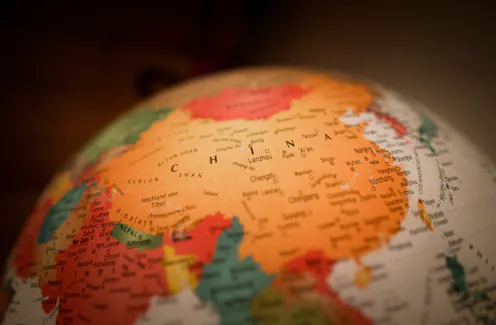
This global initiative advanced by the Chinese government lacks much-needed transparency and specific strategies.
Economic growth of countries needs many ingredients. Getting the recipe just right is important.
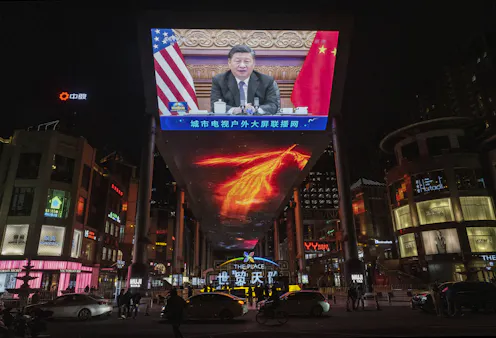
In the past, the lack of a succession plan for China has led to political unrest in the country. If it happens again, it will also affect the world.
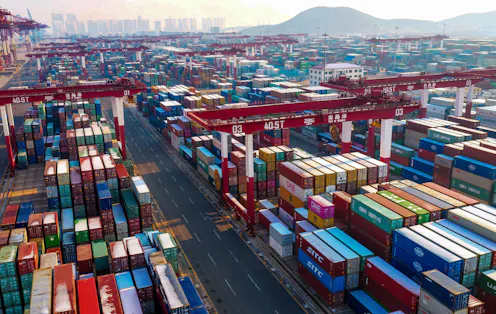
Large-scale job losses in the US due to trade with China will lead to enduring demographic and political aftershocks without the implementation of policies that promote widespread job growth.
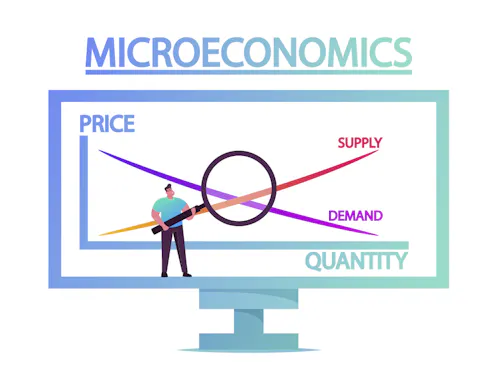
Microeconomics analyzes how individuals and businesses behave as they try to get the most they can for as little money as possible.

If China’s economy recovers from the pandemic, its authoritarian political system could become even more influential around the world.

California’s proposition to halt the sale of gasoline-powered engines may be extreme. But could it work?

China represents one of the biggest consumer markets in the world. Can that potential profit offset the problems of investing for multinational corporations? Apparently, yes.

When manufacturing jobs disappear, what are the best ways to help unemployed workers?
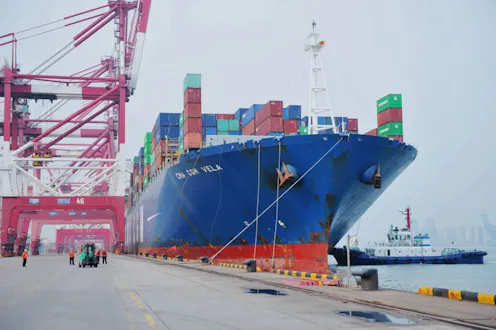
Although there will be some economic harm, it may be time to retreat from free trade with China and focus on our national security concerns.
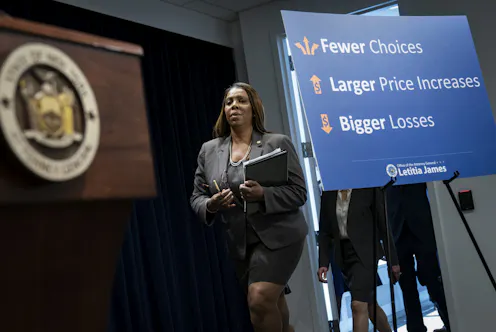
The T-Mobile-Sprint merger is the latest example of weakened enforcement of antitrust laws, which reduces competition and exacerbates already-record levels of inequality.
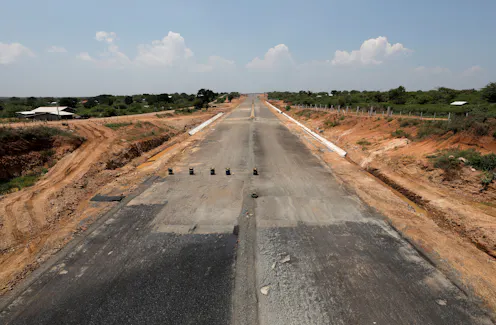
China is betting that a massive set of investments around the world will bring it economic prosperity and international political power.
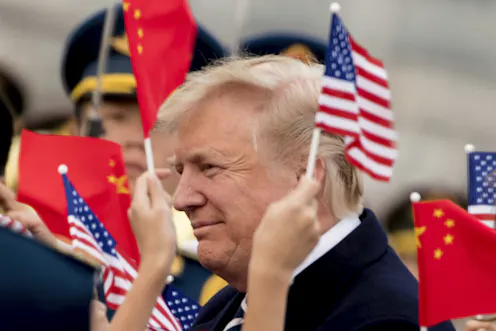
Trump may find it harder to maintain support for his escalating tariffs on China if the US economy shows further signs of weakness.
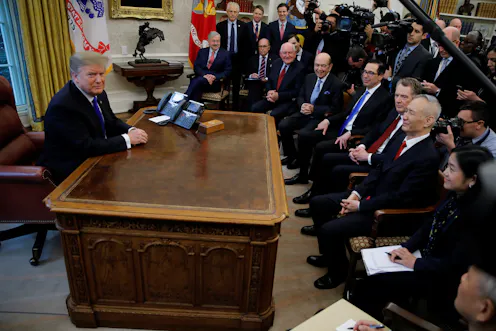
American and Chinese trade negotiators are pushing hard to get a deal, but a major sticking point remains: ensuring China honors any promises it makes.
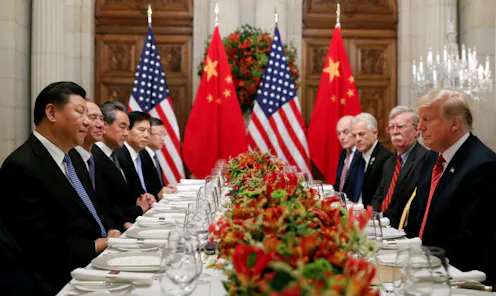
China has reneged on past promises it has made to the US. With the deadline for a deal fast approaching, the solution may lie in learning from a global organization the president hates: the WTO.
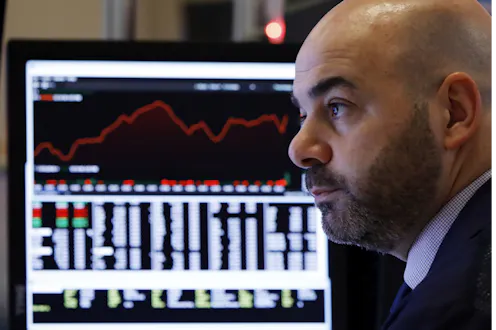
The government collects reams of economic data that are vital to the functioning of companies, policymakers and even families.
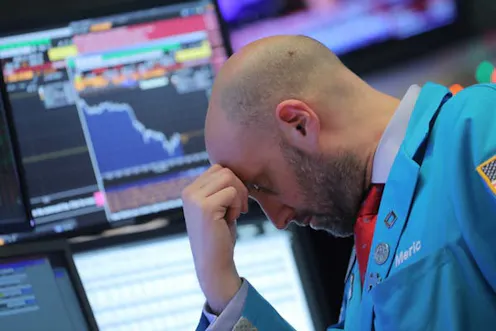
Financial markets are increasingly worried the US economy is heading for a crash. An economist explains what’s got investors spooked.
Contact Amitrajeet for
- General
- Media request
- Speaking request
- Consulting / Advising
- Location: Rochester, New York, U.S.
- Website
- Article Feed
- ORCID
-
- Joined
