
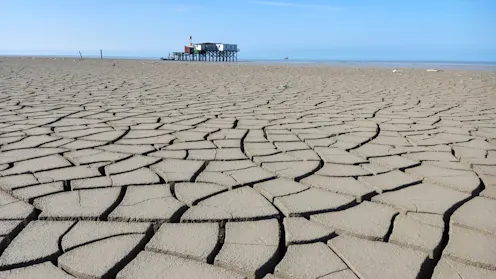
The Caspian Sea is becoming warmer and shallower, with damaging economic and environmental effects.
- Professor of Civil & Environmental Engineering and Earth System Science, University of California, Irvine
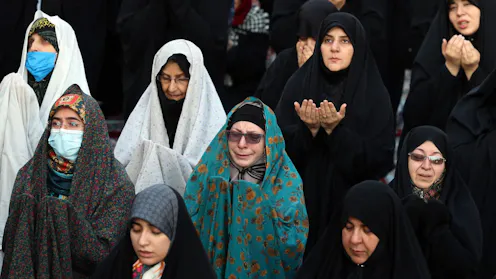
L’expansion urbaine de l’Iran et le choix d’une agriculture gourmande en eau ont rendu le pays vulnérable à la sécheresse. Certaines mesures pourraient toutefois y remédier.
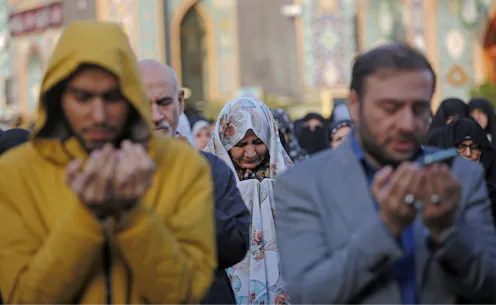
Iran’s sprawling cities and irrigated agriculture, along with tight market controls, have left the country vulnerable to drought. There are steps that would help.
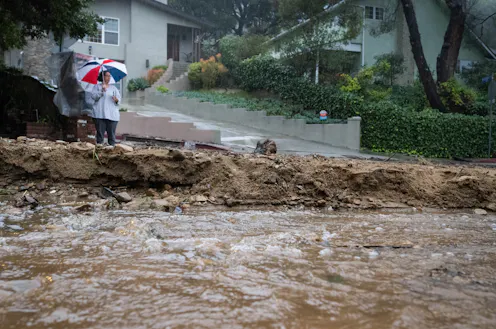
Mudslides start with destabilized land, often from wildfires, and then rain drives the cascading disaster.
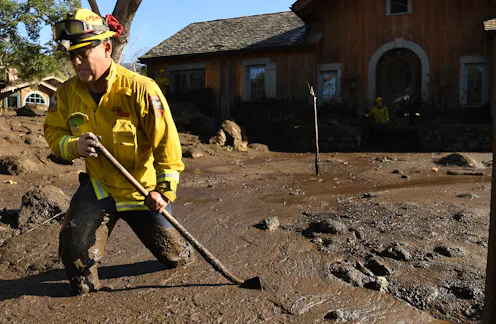
Studies show climate change is raising the risk of cascading hazards that alone might not be extreme but add up to human disasters. Communities and government agencies aren’t prepared.
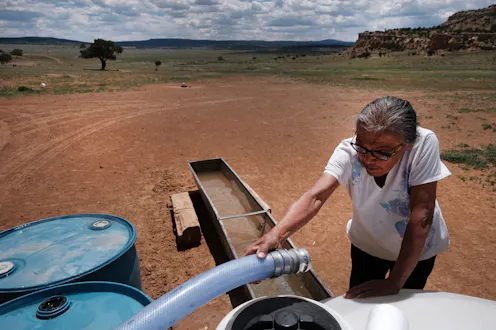
Cities and farmers in the Southwest are resorting to unsustainable strategies to pull in more water. Iran has tried many of these strategies and shows how they can go wrong.
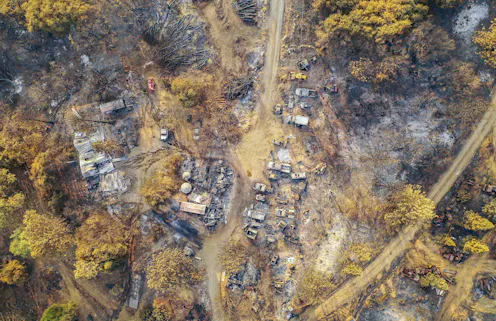
Drought conditions are so bad, fish hatcheries are trucking their salmon to the ocean and ranchers are worried about having enough water for their livestock.
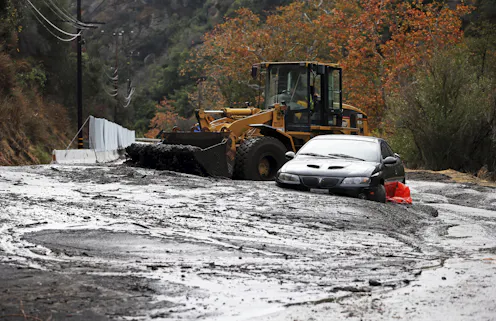
One natural disaster can exacerbate the effects of others – think landslides after wildfires. This means engineers and planners need to rethink how they assess and prepare for risk.
Contact Amir for
- General
- Media request
- Speaking request
- Consulting / Advising
- Research collaboration
- Research supervision
- Location: Irvine, California, U.S.
- Website
- X (formerly Twitter): @AmirAghaKouchak
- Article Feed
- ORCID
- Joined
