

The prevalence of long COVID is more than a hundred times greater than the definition of a rare disease – yet there are no specific health services or support.
- Research Associate Professor of Public Health, University of Otago

Unchecked airborne infections cost billions in lost health and productivity each year – likely more than the cost of better ventilation to clean up indoor air.

Hospitalisations and deaths attributed to COVID have dropped significantly since a peak in 2022. But a new variant could still reverse the trend quickly.

The major logistical barrier to implementing the recommendations of the COVID inquiry is the downsizing of key government agencies needed to do this work.

On the fourth anniversary of New Zealand’s first COVID case it’s clear this is not a normal pandemic. Despite fatigue and indifference, New Zealand must heed the evidence and improve its response.
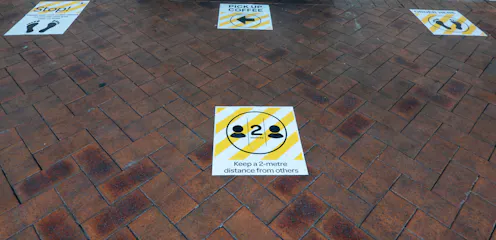
New Zealand’s initial elimination approach to COVID has significantly decreased the risk of hospitalisation and death. Now we need to find the right mix of measures to limit infection and reinfection.

Both New Zealand and Iceland kept death rates from COVID low, but used different strategies. While New Zealand relied on lockdowns and border closures, Iceland ramped up its testing capacity.
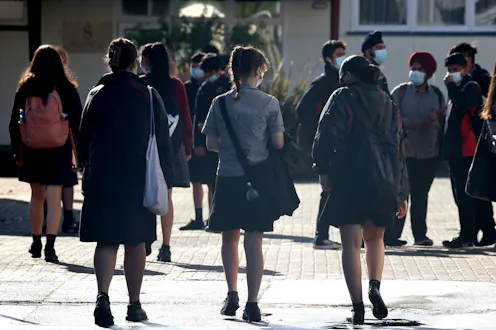
The government’s COVID policy for schools needs to shift from insisting on attendance to supporting the well-being of children, staff and families wherever they are.

Studies show long COVID is common enough to be a major public-health threat. It can damage the brain and other organs and may remain silent during childhood but cause chronic disease in later life.
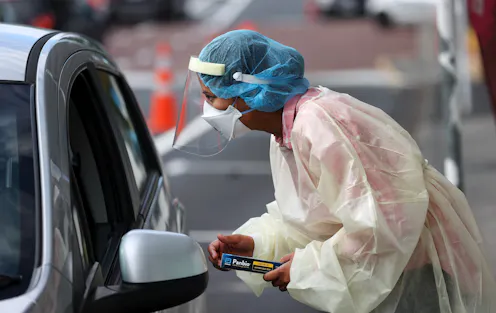
Now that Omicron infection is widespread, the government could improve trust by phasing out travel restrictions and border isolation and reviewing vaccine mandates to ensure they are proportionate.

Each layer of COVID-19 protection available to adults has significant gaps for children. We need a family-centred approach to protect their well-being in this outbreak.

The first year of dealing with the pandemic has taught New Zealand many lessons — including how we might tackle systemic social and environmental problems.
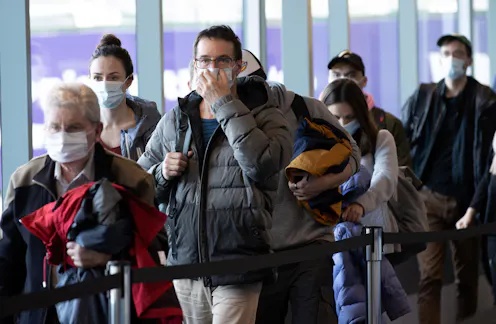
With quarantine infection numbers and border failures likely to keep increasing, the case for stricter travel restrictions is clear.

New Zealand’s most pressing challenge is to bring the current COVID-19 outbreak under control, but it also time to make more strategic improvements to prevent future border control failures.
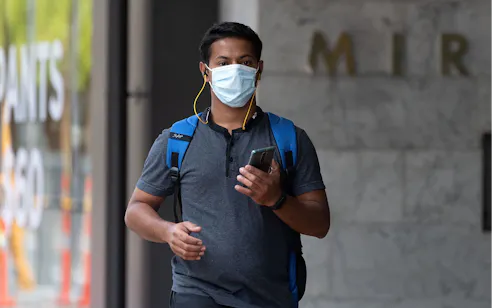
We believe New Zealand can eliminate COVID-19 again. But it could do more to speed up that process with mandatory masks and tighter controls on high-risk venues, including bars, gyms and churches.
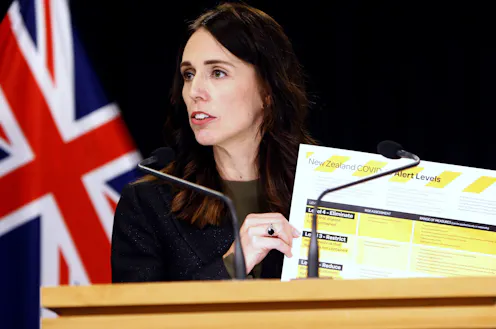
New Zealand is one of a small number of countries that have managed to eliminate community transmission of COVID-19. It’s now reached a 100-day milestone with no new cases in the community.
Contact Amanda for
- General
- Media request
- Speaking request
- Consulting / Advising
- Research collaboration
- Research supervision
