
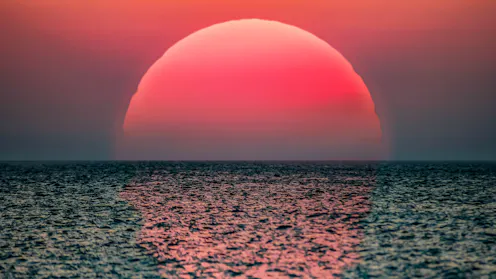
More than 90% of the heat trapped by greenhouses goes into the ocean. But what happens in the oceans doesn’t stay there.
- Chief Research Scientist - Environment, CSIRO
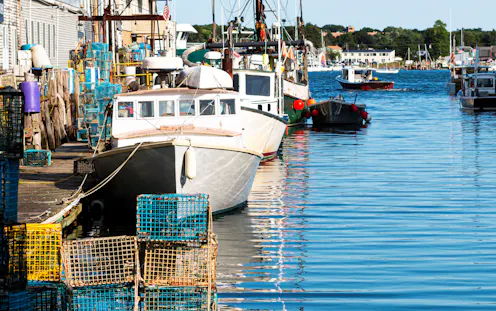
The indirect losses from one heatwave in Western Australia caused A$4.14 billion per year worth of damage.
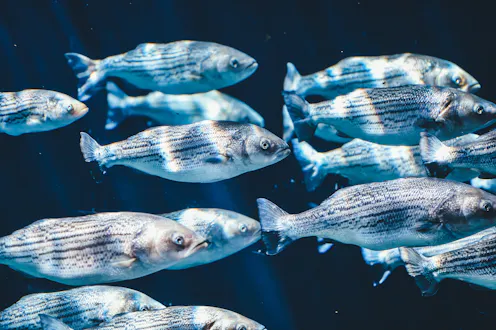
Australia’s oceans are warming faster than the global average, and fish are moving south as a result.
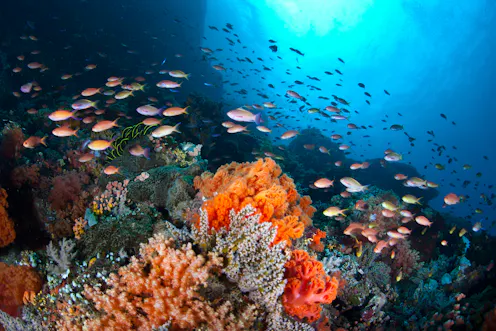
Marine heatwaves have had little attention until recently, but they’re already having large effects.
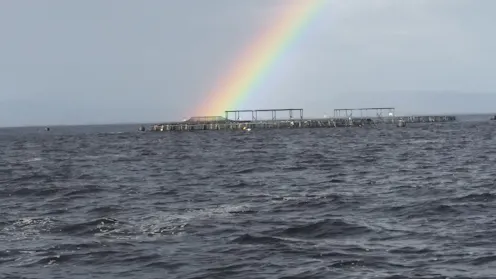
Aquaculture development needs to be able to trust the science, and the science needs to be delivered in a timely way if we hope to ensure long-term sustainability of this industry.
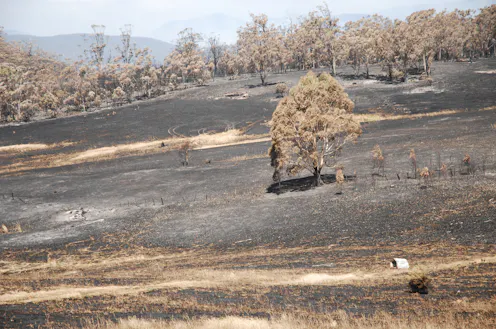
This summer has seen Tasmania suffer through drought, bushfires, floods and the worst marine heatwave on record. Is this what life under a climate-changed future will be like?
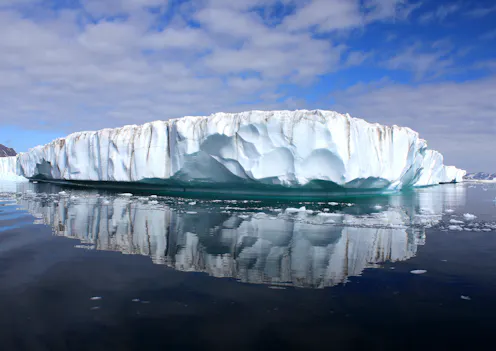
The Paris agreement has given us some solid targets to aim for in terms of limiting global warming. But that in turn begs a whole range of new scientific questions.

The Great Southern Reef covers 71,000 square km and contributes more than A$10 billion to Australia’s economy each year.
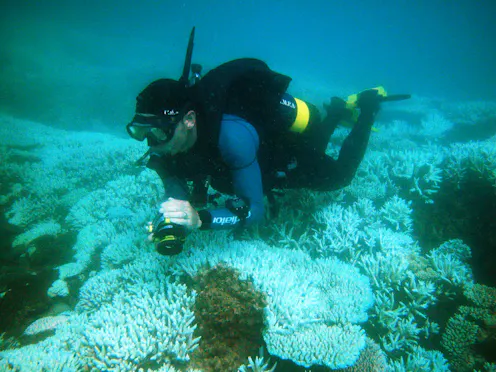
Unconventional tactics, including using shade cloth to protect corals from heat stress, must form part of future ocean management and conservation plans, argues a scientist from the University of Queensland…
Fish are on the move in Australia’s waters. In southern Australia, scientists, commercial and recreational fishers, divers and beach-goers are reporting the presence of new species. The movement of species…
Contact Alistair for
- General
- Media request
- Speaking request
- Consulting / Advising
- Research collaboration
- Research supervision
- Location: Hobart, Tasmania
- Website
- Article Feed
- ORCID
- Joined
