
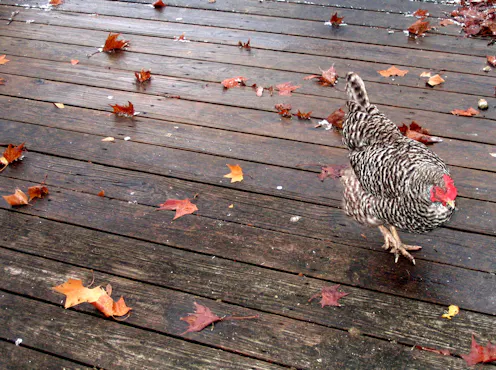
Amid the COVID-19 pandemic, some critics say livestock farms promote diseases that spread from animals to humans. An animal scientist explains how well-run farms work to keep that from happening.
- Researcher, Department of Animal Science, University of California, Davis
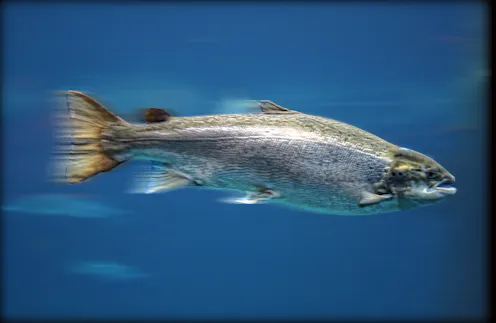
The FDA has given the green light to sell the first genetically engineered animal – farmed salmon –in the US.
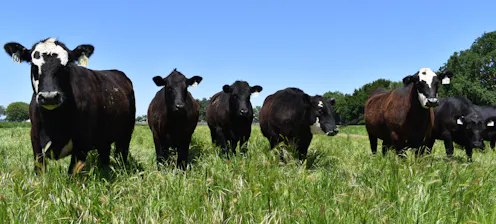
According to current regulations, animals that have been genetically edited, like pigs or cows, are considered drugs. What are the consequences of such rules on American livestock and agriculture?
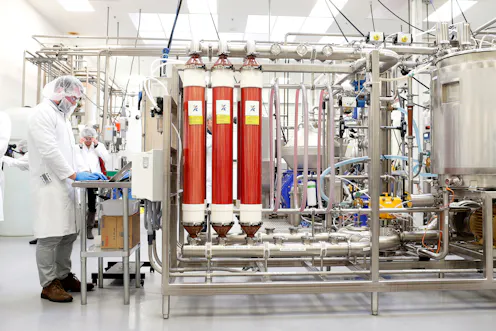
Despite many claims, nobody knows for sure how the environmental footprint of lab-grown meat compares to livestock. An animal scientist says the issue is not black and white.
Contact Alison for
- General
- Media request
- Speaking request
- Consulting / Advising
- Research collaboration
- Location: Davis, California, U.S.
- Website
- X (formerly Twitter): @BIOBEEF
- Article Feed
- ORCID
- Joined
