
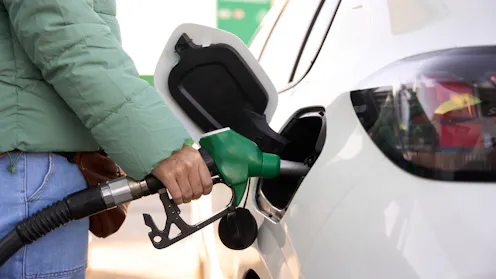
Starting yesterday, Australians are now paying 16 cents more for each litre of petrol they buy.
- Program Director, Energy and Climate Change, Grattan Institute

Gas companies have withdrawn support for the government’s gas reservation policy. But their main critique doesn’t stack up.

Several big green hydrogen projects have been shelved. An expert explains why Australia’s sky-high ambition for the industry is struggling to reach fruition.
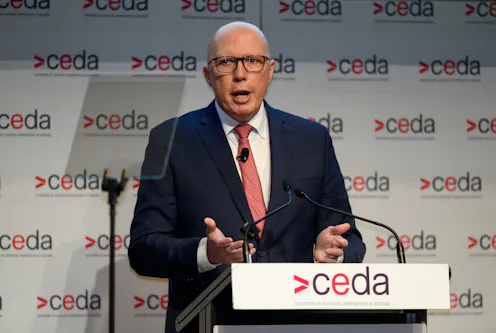
It seems increasingly clear the Coalition’s nuclear policy would prolong Australia’s reliance on fossil fuels, at a time when the world is rapidly moving to far cleaner sources of power.
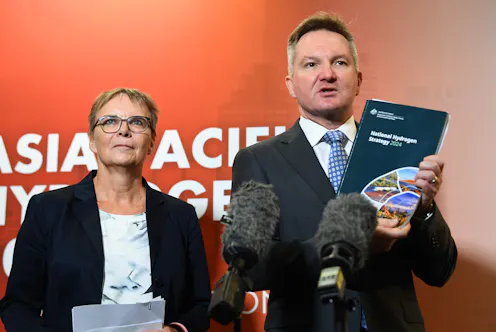
Australia’s new National Hydrogen Strategy, released on Friday, signals Australia’s bold ambitions to the world - but much remains unclear.

Increased investment in electricity generation, transmission and storage has led to a more positive outlook for the reliability of the system – if these projects are delivered on time.

Without a green energy transition Australia won’t meet its emissions reductions promises. But despite punching above its weight for years, the electricity sector isn’t transforming quickly enough.
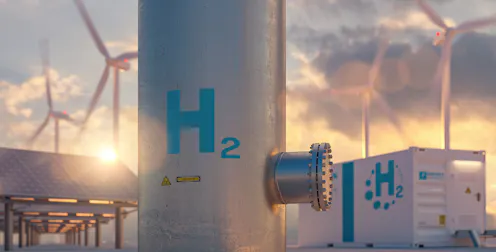
Ada ribuan proyek hidrogen di seluruh dunia, termasuk di Indonesia. Bagaimana peran hidrogen untuk menopang transisi energi terbarukan?
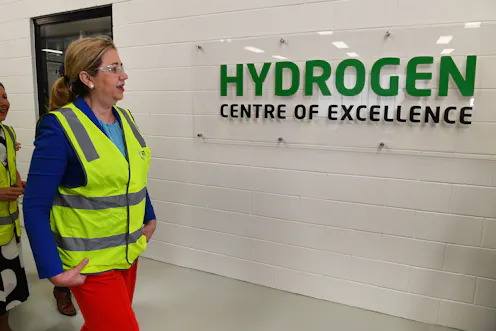
Australian governments have invested a lot of hope in hydrogen to help drive the net zero transition, but concrete policies are urgently needed or we will lose our hydrogen advantage to other nations.

Grattan Institute projections suggest that by 2060 a mere 600 people will remain employed in major Australian coal mines, down from 40,000 today.
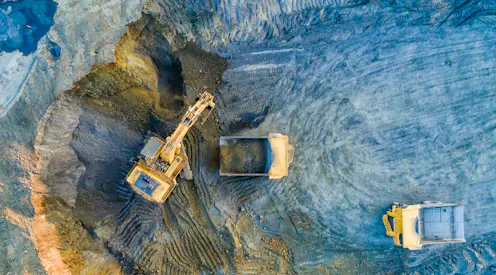
We took a closer look at the government data, and found at worst, the number of jobs foregone is around 10 times fewer than the minister claims.
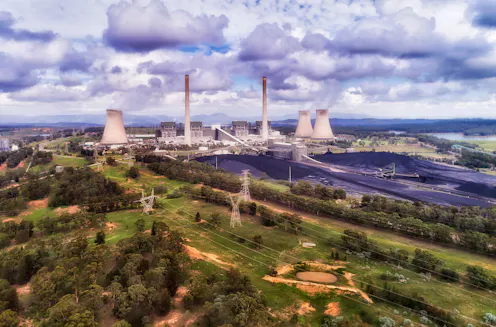
Grattan Institute analysis shows it’s possible to achieve a vastly lower-emissions electricity system in less than two decades – if governments can muster the courage.
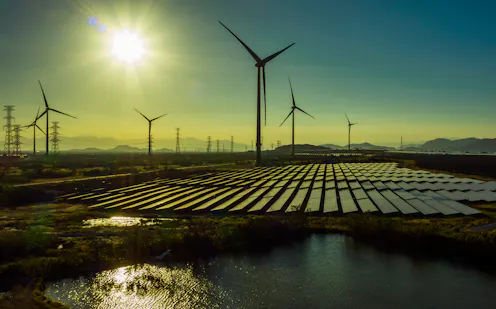
Reach net zero requires policies spanning energy, industry, transport, agriculture, land use, even trade. Climate change is a whole-of-government issue. It’s every minister’s problem.

Offsetting may be controversial, but we need it to reduce emissions. Here’s how it can be done with integrity.

A new report says sometimes the best decision to reduce emissions is to invest in new technology before it’s fully proven. Government will have to share the risks.
Contact Alison for
- General
- Media request
- Speaking request
- Research collaboration
- Location: Canberra, Australia
- Website
- BlueSky: @reevealison.bsky.social
- Article Feed
- Joined
