
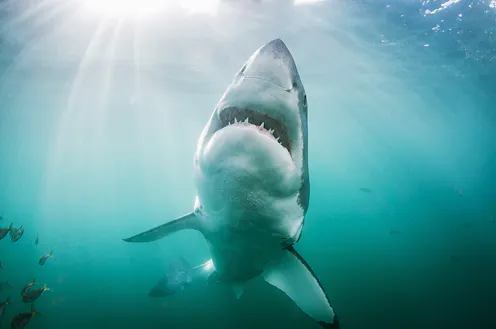
South Africa’s white shark population is not in decline but migrating to survive.
- Marine Biologist, South African National Parks (SANParks); Honorary Research Associate, South African Institute for Aquatic Biodiversity (SAIAB), South African Institute for Aquatic Biodiversity
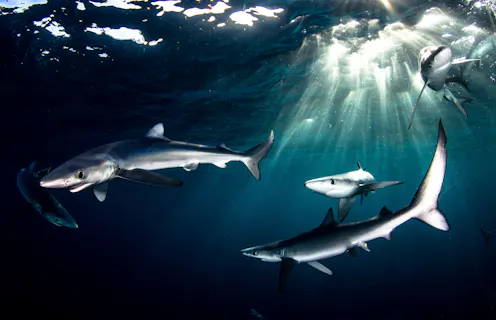
Sharks grow slowly and produce few young compared to bony fishes. In many cases, this means that their populations are fished out faster than can be replenished if not well managed.
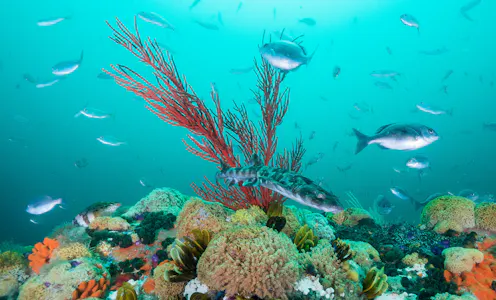
A new network of 20 sites have been declared as marine protected areas in South Africa.

The False Bay ocean food chain in Cape Town began to change significantly in 2015 with the appearance of shark-eating killer whales.
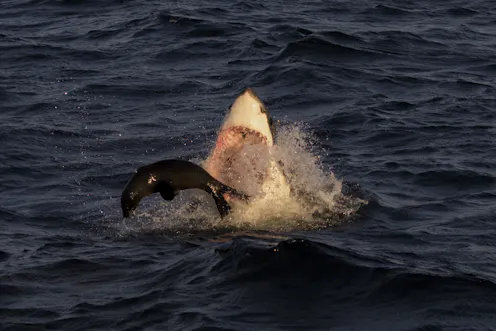
If sharks habitats aren’t known, it’s harder to conserve either the animals or those habitats.
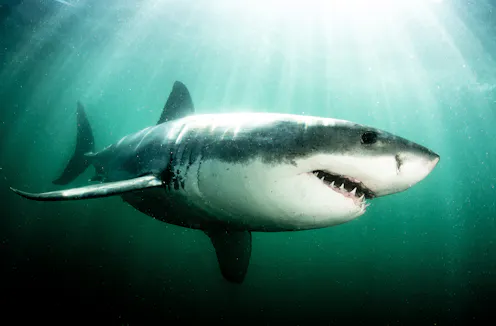
Interactions between sharks and humans happen in a variety of places. That means reducing conflict needs different interventions.
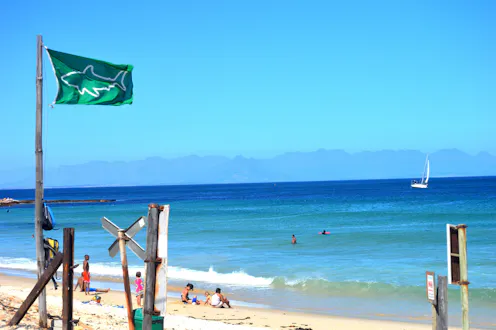
Despite low shark attack numbers, many people are afraid of being bitten. There are, however, ways to steer clear of these creatures.
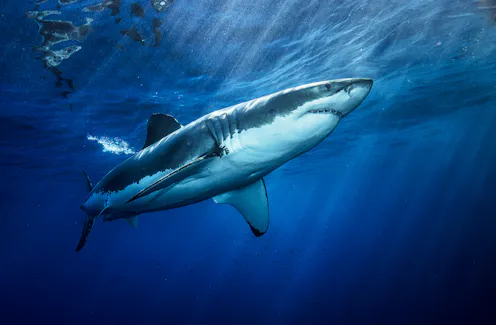
What lies behind shark safety methods.
Contact Alison for
- General
- Research collaboration
- Location: Cape Town, South Africa
- Website
- X (formerly Twitter): @urbanedgesharks
- Article Feed
- ORCID
- Joined
