
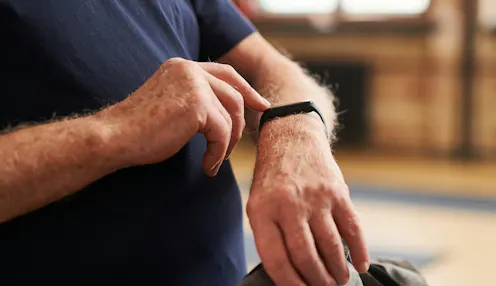
Le suivi continu à l’aide de systèmes de localisation en temps réel dans les établissements de soins de longue soulève des questions d’éthique et d’utilisation des données.
- Associate professor, Department of Recreation and Leisure Studies, Brock University
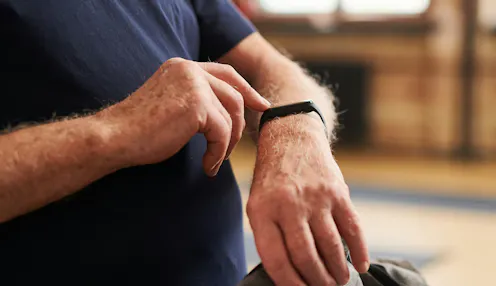
Continuous tracking using real-time location systems is becoming increasingly common in hospitals and long-term care homes, raising questions about ethics and data use.

The stigma that dehumanizes people living with dementia is reflected in the toll of COVID-19 in long-term care. Reforming long-term care must challenge this stigma with a new ethic of care.

The sexuality of persons living with dementia is demonized by media and ignored by clinical guidelines. But sexuality is fundamental to being human and vital to a humane culture of residential care.
Contact Alisa for
- General
- Media request
- Speaking request
- Consulting / Advising
- Research collaboration
- Research supervision
- Location: St Catharines, Canada
- Website
- Article Feed
- ORCID
- Joined
