
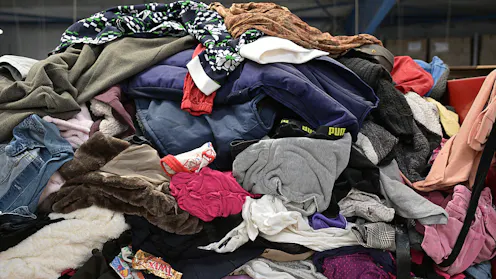
Every year, thousands of tonnes of unsold clothing go to landfill. Australia could learn from the EU model.
- Professor and Dean of the School of Fashion and Textiles, RMIT, RMIT University
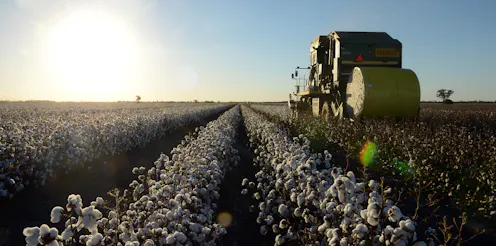
Producer responsibility is increasingly being used to deal with the environmental costs of production. It can also be used to deal with social issues.

Our research shows the inadequacy of relying on consumer power to eradicate exploitation in the fashion industry.
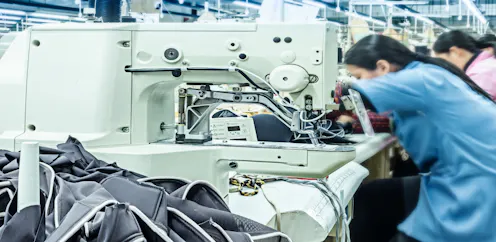
COVID-19 has been disastrous for people who make our clothes, but there are small signs of hope.
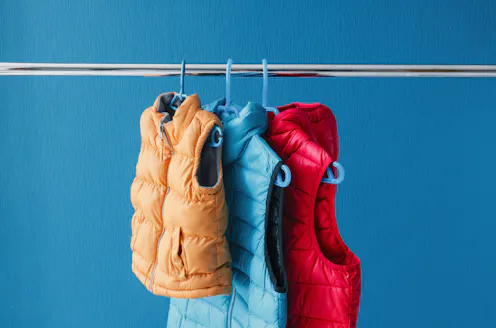
The puffer jacket has become an iconic staple of many people’s winter wardrobe. Here are some ways to shop for yours in the most eco-friendly and ethical way.
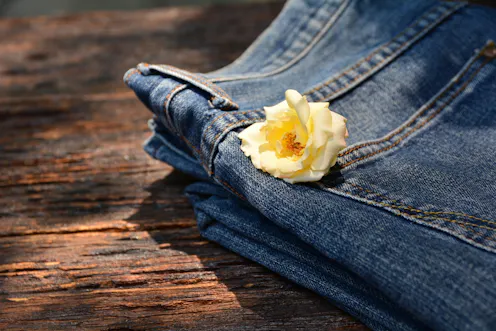
Our clothes are cheaper, flimsier and shorter-lived than ever. But jeans, a staple of the modern wardrobe, are actually designed to be long-lasting – provided you take proper care of them.
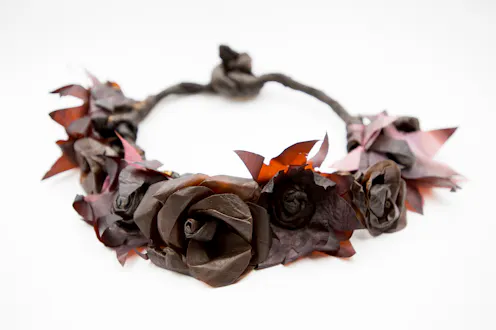
Conventional leather is fraught with ethical and environmental issues. But leather grown from fermented kombucha tea offers consumers a glimpse of a DIY, sustainable future.
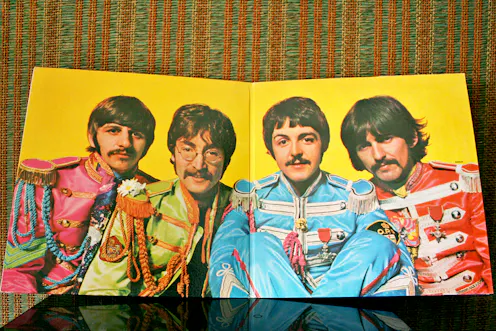
Fashion and war don’t seem an obvious pairing, but the military jacket is a fashion staple. It may take the form of a double-breasted dress uniform with brass buttons and epaulettes, trimmed in rock star…

If you had to tell the story of one item or phenomenon in fashion, what would it be? See the end for information on how to get involved. Throughout the 19th century, the top hat was a mainstay of Victorian…

There’s a polyester mullet skirt gracing a derrière near you. It’s short at the front, long at the back, and it’s also known as the hi-lo skirt. Like fads that preceded it, the mullet skirt has a short…
Contact Alice for
- General
- Media request
- Speaking request
- Consulting / Advising
- Research collaboration
- Research supervision
- Location: Melbourne, Victoria
- X (formerly Twitter): @RMIT
- Article Feed
- ORCID
- Joined
