
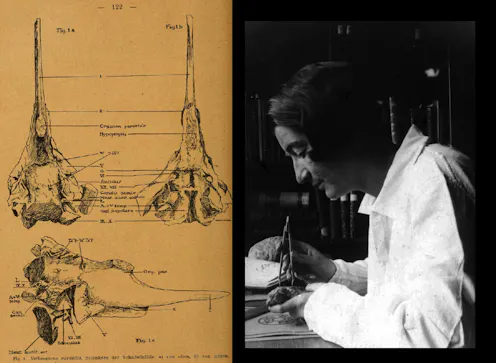
Tilly Edinger a étudié l’évolution du cerveau grâce à des moulages de fossiles. Son statut de scientifique a contribué à assurer son exil d’Allemagne nazie pendant la Seconde Guerre mondiale.
- Research Associate in the College of Science and Engineering, Flinders University
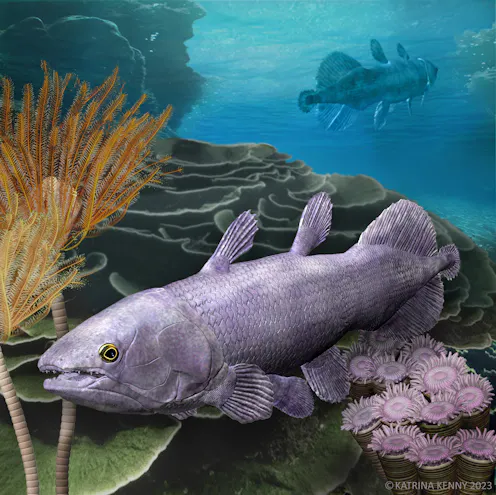
Researchers have discovered a new extinct species of coelacanth that lived 380 million years ago.
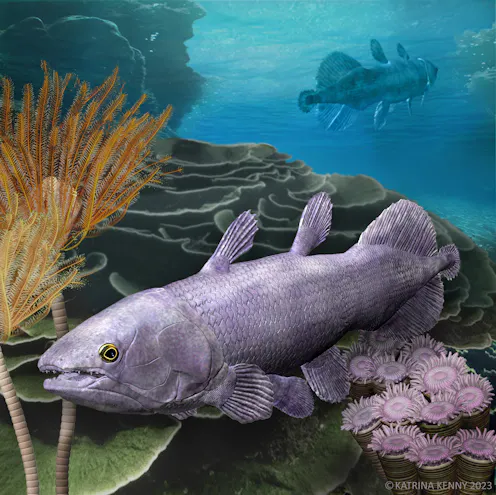
Des chercheurs ont découvert une nouvelle espèce fossile de coelacanthe datant de 380 millions d’années.

A new Australian coelacanth find has revealed a surprising force behind the slow evolution of these ‘living fossils’.
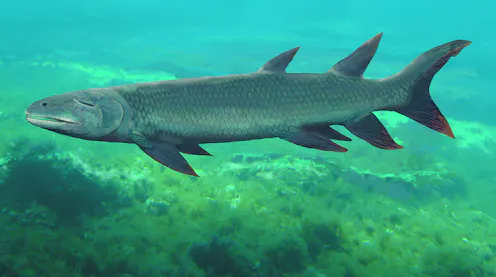
For decades, the sandstone in central Australia yielded tantalising segments of some sort of fossil fish. Now, we have finally pieced together a complete picture of this remarkable species.
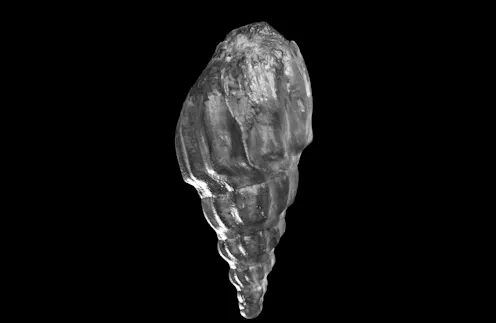
Digital scanning offers a new window on Australia’s unique fossil history, from early multicellular lifeforms to gigantic ‘marsupial lions’.
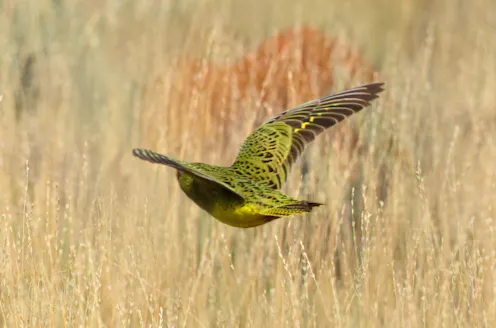
A wonky skull. Enlarged ear chambers. Asymetrical ears. It looks like the elusive night parrot has traded off vision for excellent hearing

If we go far enough back in time, we all share an ancestor. And some of the features found in our bones and bodies today are a testament to that.
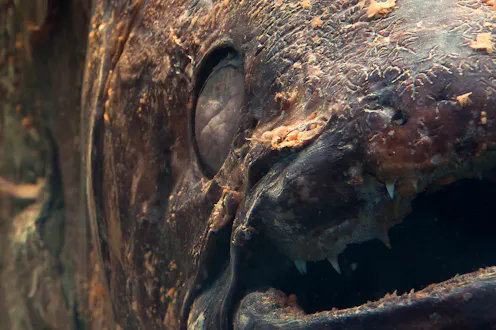
Deep in the oceans dwell creatures that can evade many of the evolutionary drivers of life on land – and they remain seemingly unchanged through time.
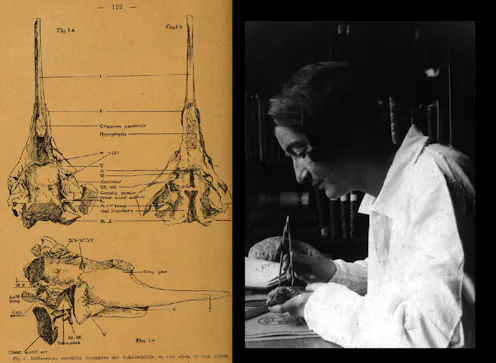
Tilly Edinger was the first person to apply a deep-time perspective into different species’ brain evolution. She did this by focusing on the hollow space within a dead animal’s skull.
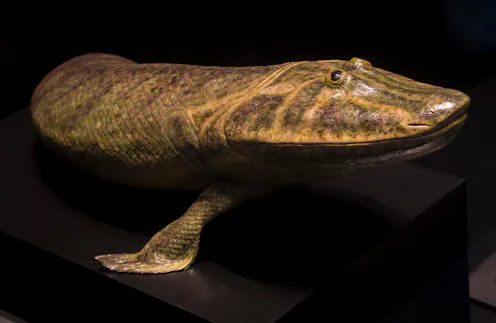
‘Tetrapods’ were the first fish to evolve lungs and walk onto land. They were also our ancestors. Now, a new study sheds light on the size and shape of these unique animals’ brains.
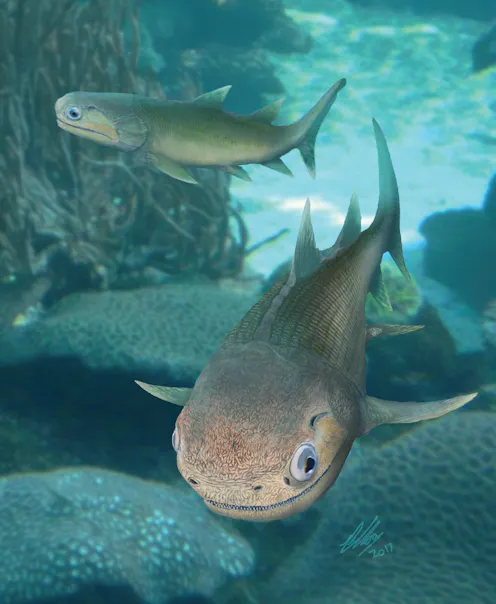
A 400 million year old fossilised fish skull gives us very early and previously unknown clues about how boney fishes evolved into the vertebrates we see today on Earth - including us humans.
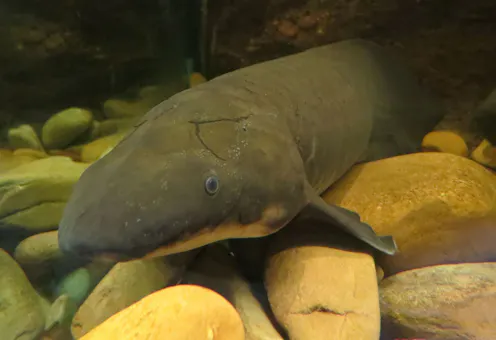
To understand how some creatures evolved, you need to see how their brain developed over millions of years. That’s now possible thanks to some clever use of scanning technology.
Contact Alice for
- General
- Media request
- Speaking request
- Consulting / Advising
- Research collaboration
- Research supervision
- Location: Adelaide, Australia
- Website
- X (formerly Twitter): @DrAliceClement
- Article Feed
- ORCID
- Joined
