
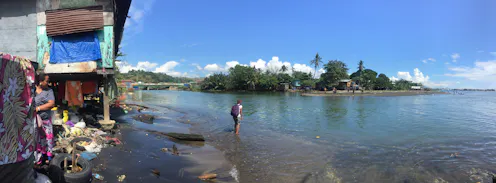
Pacific island nations are often framed as remote atolls facing rising seas and cyclones. But their cities are growing fast, so are efforts to help the most climate-vulnerable people hitting the mark?
- Associate Director (International) - Melbourne Centre for Cities, The University of Melbourne
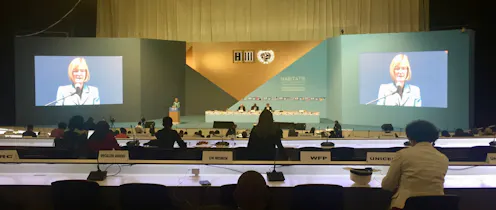
Australia and other United Nations member states signed up to the New Urban Agenda more than a year ago. But how well is health being integrated into sustainable urban development?
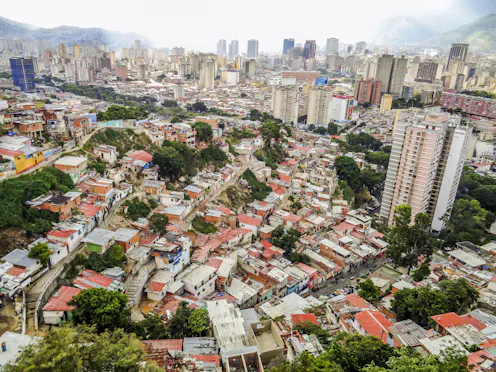
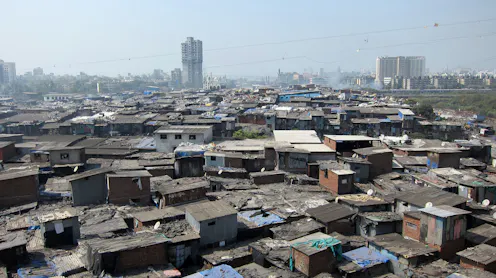
Informal settlements are often undocumented or hidden on official maps, but they house about a billion people worldwide. Their existence demands a more sophisticated approach to urban development.

Our cities need to become much more efficient not just to conserve precious resources but to improve the economy, wellbeing and resilience to environmental change and disasters.

Nation states, UN bodies and civil society gathered in Quito for Habitat III to adopt the New Urban Agenda. So how will the UN’s new global urban roadmap transform our cities over the next 20 years?
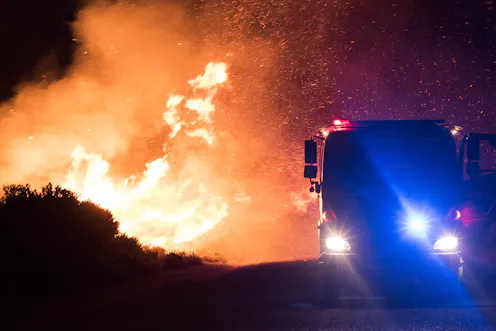
A comprehensive analysis of Tasmania’s natural disaster risks has identified bushfire as the biggest threat, alongside emerging issues such as disease epidemics and heatwaves.
More than 25,000 delegates will meet in Quito in October to set out a New Urban Agenda for the UN, to be implemented over the next 20 years. But Australia is yet to play a major role in the process.
Contact Alexei for
- General
- Media request
- Speaking request
- Consulting / Advising
- Research collaboration
- Location: Melbourne, Australia
- Website
- X (formerly Twitter): @AlexeiPT
- Article Feed
- ORCID
- Joined
