
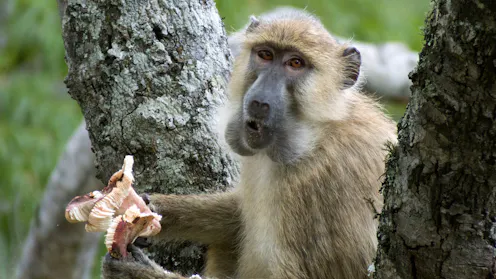
Mushrooms make up a crucial part of some monkeys’ diets, offering insights into the past.
- Asso. Professor in Anthropology, University College London, UCL
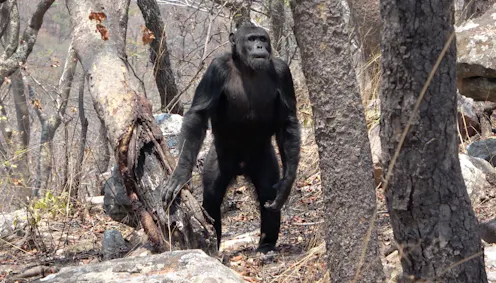
Almost all theories of human bipedalism explain it as a terrestrial adaptation. A new study does not support that view.
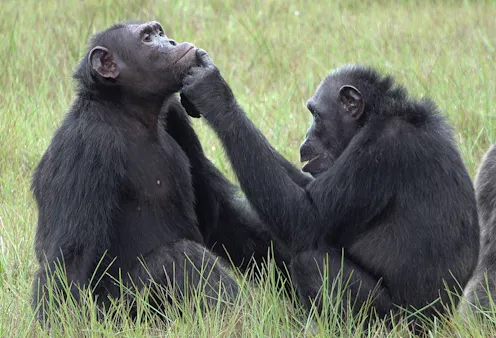
Los chimpancés de Rekambo, en Gabón (África Occidental), demuestran una serie de comportamientos nunca vistos antes en el reino animal, según una nueva investigación.

How Rekambo chimpanzees demonstrate a number of ground breaking behaviours never seen before in animals.
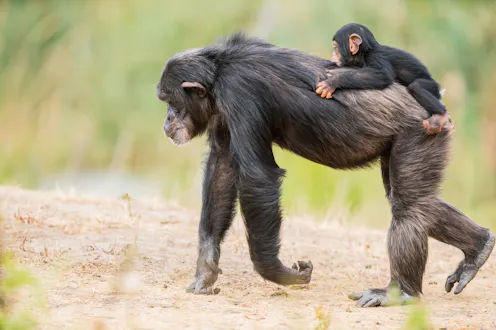
Para comprender las barreras a las que se enfrentan las especies en peligro de extinción cuando tratan de moverse por su hábitat es eficaz estudiar su entorno como si fuera un tablero de circuitos eléctricos.
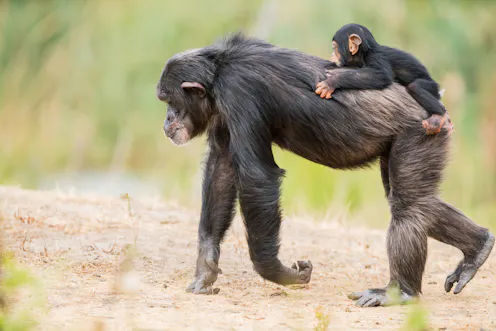
To understand the barriers endangered species face when trying to traverse their habitat, it helps to think of their environment like an electrical circuit board.
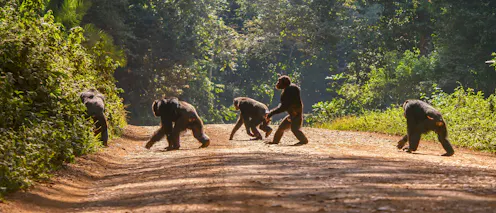
As in humans, environmental changes provoked chimpanzees to develop a diverse range of behaviours.
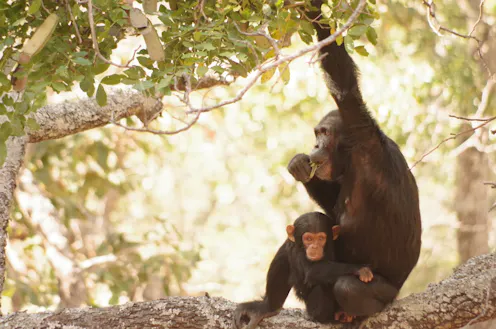
Attacks on chimpanzees are happening at an alarming rate, within and outside national parks.
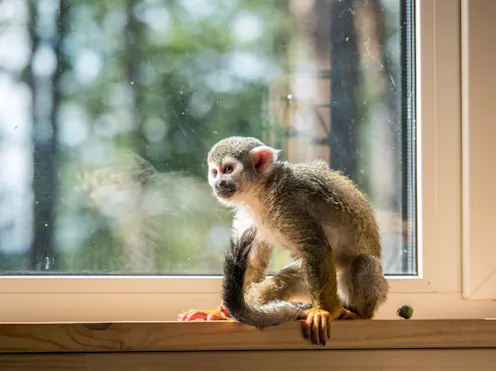
The way of life primates have evolved to live cannot be replicated in a human home.
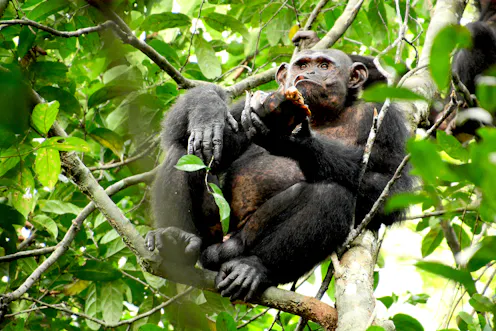
The discovery sheds light on how early humans evolved larger brains and the ability to eat meat.
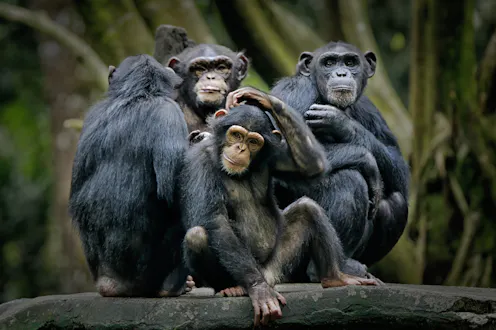
Our closest relatives show distinct cultural behaviour in different populations. But those differences are being erased.
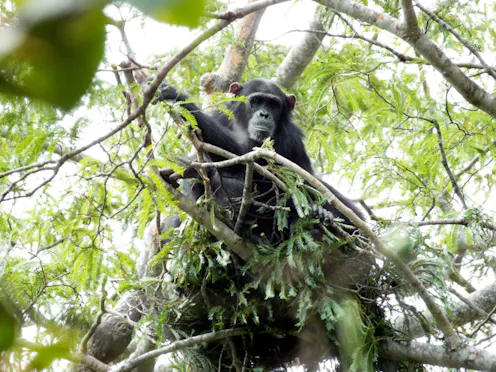
Early hominins are thought to have made a new shelter every night, which taught them how to adapt to changing conditions.
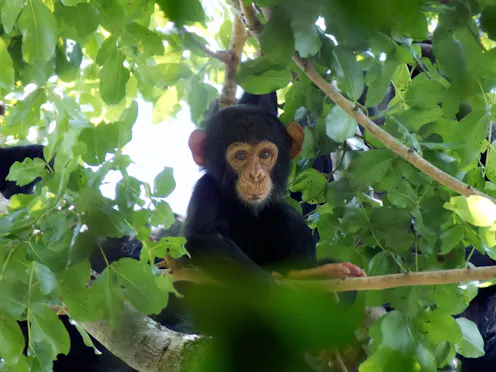
Wild chimpanzees are hard to find, but their DNA – left-behind genetic traces – are opening up a new way of studying them.
Contact Alexander for
- General
- Media request
- Speaking request
- Consulting / Advising
- Research collaboration
- Research supervision
- Location: Oxford
- Website
- X (formerly Twitter): @GMERC_TZ
- Article Feed
- ORCID
- Joined
