
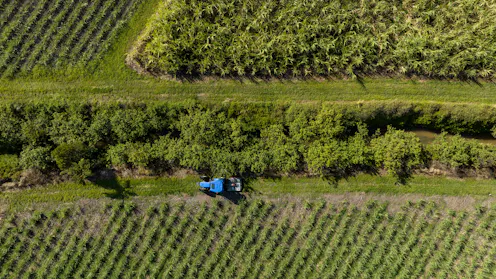
Producing food has a climate cost. But it doesn’t have to. Farmers can cut emissions, boost nutrients and restore nature – while making their farms more resilient
- Professor of Digital Agriculture & Soil Science; Director, Sydney Institute of Agriculture, University of Sydney
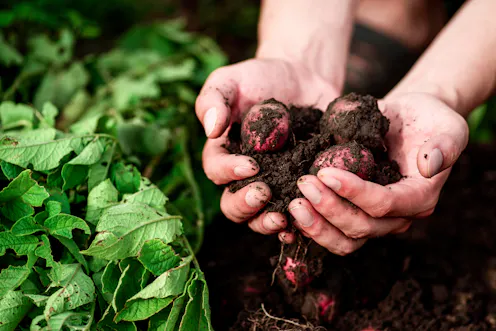
The thin layer of soil on our planet’s surface ultimately sustains us all, but it’s a finite resource. With a growing global population, perhaps it is time to start looking for alternatives.

Ocean plastic has made a big splash, but there may be even more microplastic on land. The problem is that we have no idea exactly how much is in Australian soil, where it is, and what it’s doing.
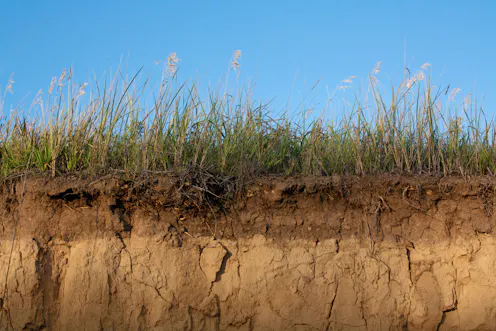
A new bid to boost the amount of carbon stored in the world’s soils has been launched at the Paris climate summit.
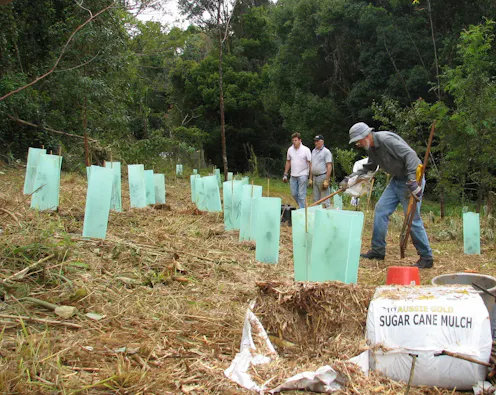
For several years, and particularly since the advent of the Coalition’s Direct Action policy for reducing emissions, the potential of agricultural soils in Australia to soak up carbon has been widely debated…
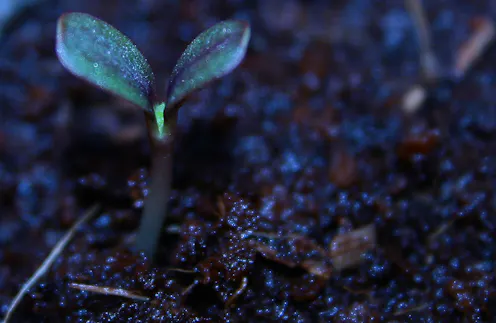
FOOD SECURITY - Soils can help us solve two of the most pressing problems of the coming decades: climate change and food shortage. There is more fresh water in the world’s soils than in all its lakes and…
Contact Alex for
- General
- Media request
- Speaking request
- Consulting / Advising
- Research collaboration
- Research supervision
- Location: Sydney, Australia
- Article Feed
- Joined
