

High demand for dairy has been good for farmers. But with the price of butter nearing $10, shoppers are asking if it’s time for the government to get involved.
- Professor of Agricultural Economics, Lincoln University, New Zealand
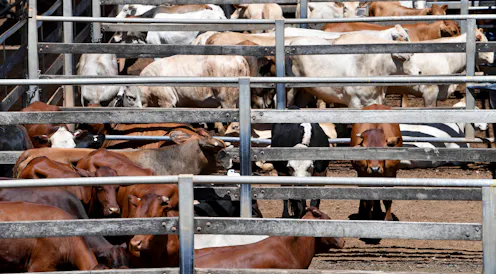
Australia’s farm exports face a range of barriers to trade besides tariffs.

Healthy eating is increasingly out of reach for struggling families. Since 2014, prices on fruit and vegetables have increased by around 45%, while processed foods have seen just a 14% rise.

Fonterra’s plan to sell its consumer brands came as a surprise. But there is logic to the dairy giant focusing on selling to the food industry rather than directly to consumers.
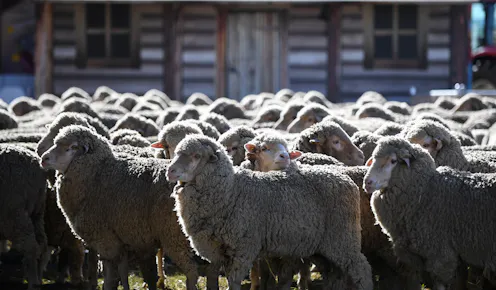
Is the ban really a death knell for the Western Australian sheep industry, as is sometimes argued? Or just an inevitable step in a necessary transition?

New Zealand’s food system – from production to delivery – has been built around efficiency rather than resilience to climate change and natural disasters. But there are solutions.
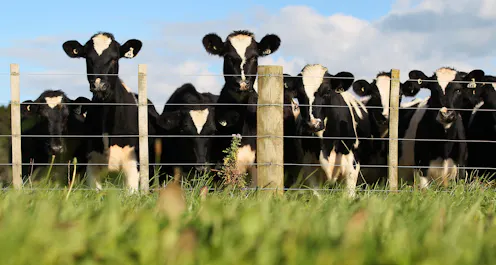
Dairy farming in New Zealand has intensified by using more supplementary feed. While this boosts production, costs also rise and this ultimately cuts profits - and it adds more harm to the climate.
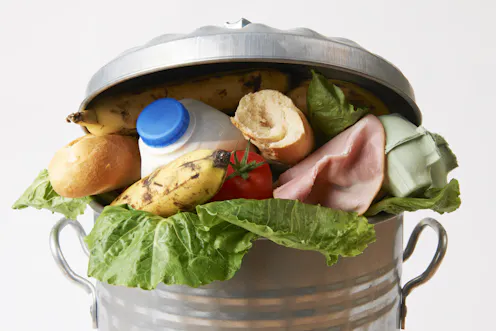
Ending GST on some foods is being touted as a way to reduce food poverty. But cheap food comes with a high environmental and health cost. Is there a way to value food but reduce hardship?

Most consumers want a better deal, but New Zealand’s small size and relative isolation make it hard for large-scale competitors to enter the supermarket sector.
Contact Alan for
- General
- Media request
- Speaking request
- Consulting / Advising
- Research collaboration
- Research supervision
- Location: Canterbury, New Zealand
- Article Feed
- ORCID
- Joined
