
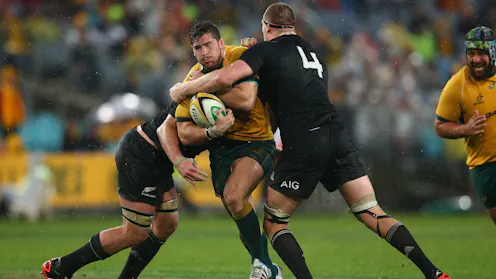
Motor neurone disease is rare, but there is growing evidence playing contact sports may increase your risk.
- Professor, Adjunct Research Fellow, School of Health Science, Swinburne University of Technology

With growing evidence about concussion, repetitive head impacts and long-term brain disease, have we had our heads in the sand when it comes to the dangers of sport?

The crisis of long-term brain damage in Australian contact sports may be deepening, and authorities must do more.

The NRL must be lauded for its move but its decision not to publicly announce the seemingly laudable changes is intriguing.
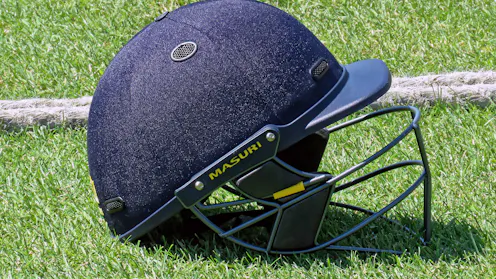
The death of a 17-year-old community cricket player has raised questions about how well helmets and neck protectors are working.
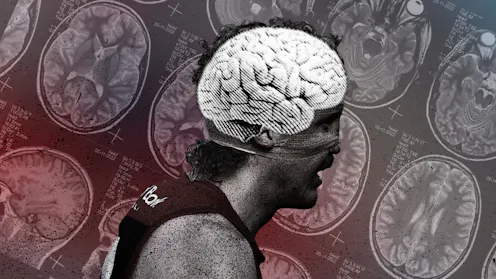
If more isn’t done to combat concussion and chronic traumatic encephalopathy, more families will be grieving tragic deaths.
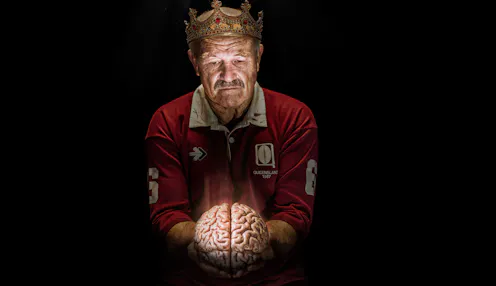
A new portrait of NRL star Wally Lewis brings home the consequences of brain trauma in ways traditional science communication struggles to achieve.

For decades, some sports have fostered a win-at-all-costs culture, with concussion often an afterthought. But there are signs that attitude is changing.

Chronic traumatic encephalopathy is often assumed to be a disease which develops later in life, but a new study clearly shows it can start early in the brains of young athletes.
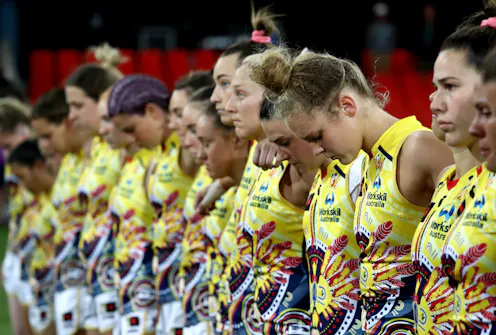
Chronic traumatic encephalopathy is a devastating form of dementia, which causes a decline in brain functioning and increased risk of mental illness.

Usually people recover from concussions in a few days, or weeks at most. But 1-10% will still have symptoms three months later.
Contact Alan for
- General
- Media request
- Speaking request
- Consulting / Advising
- Research collaboration
- Location: Melbourne, Australia
- X (formerly Twitter): @alanpearcephd
- Article Feed
- ORCID
- Joined
