
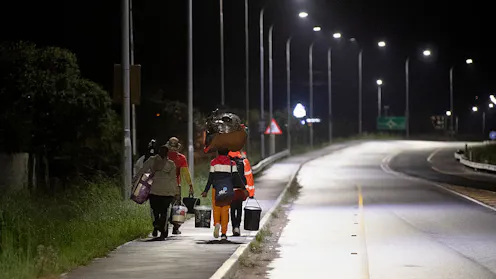
Several key actions that could help are not yet on the table, including mobilising other political parties as well as civic society to fight anti-foreigner hysteria.
- Senior Research Fellow New South Institute, Emeritus Professor at The Nelson Mandela School of Public Governance, University of Cape Town
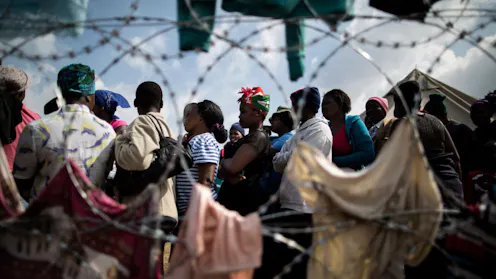
South Africa is driving a radical reform of the way it manages immigration, citizenship and refugees.
There are opportunities to support the aim of opening up borders through incremental initiatives and reforms.
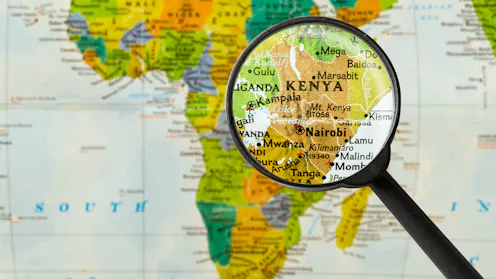
The East African Community has been ambitious in creating a regional common market. This includes making it easy for people to move between countries.
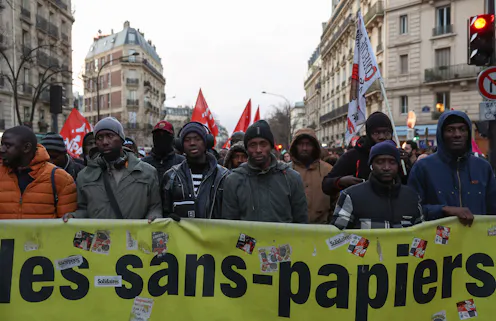
Les politiques anti-immigration des pays riches du Nord se renforcent. Mais avec le vieillissement des populations et sans main-d’œuvre migrante, ces pays sont confrontés à des difficultés économiques.
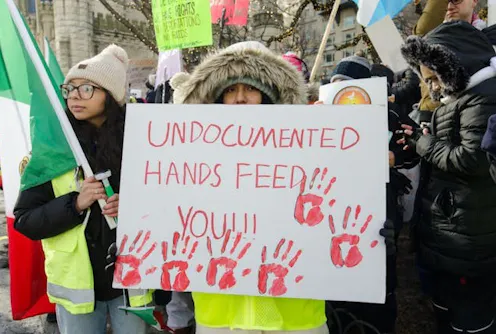
sans main-d'œuvre immigrée, les pays du Nord sont confrontés à des difficultés économiques.
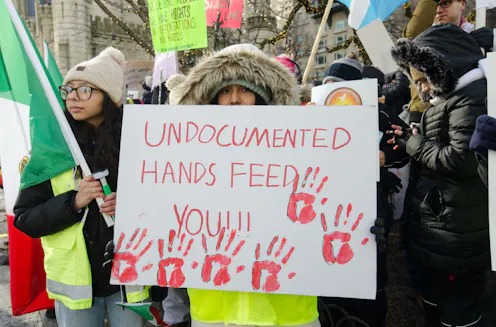
Global north policies are increasingly nasty but these countries are ageing fast – without migrant labour, they face economic hardship.
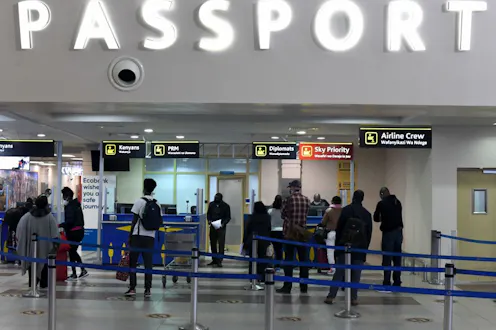
Kenya’s migration record is mixed. It has put its weight behind regional integration and the free movement of people, but its domesitc policies for immigrants and refugees aren’t in good shape.
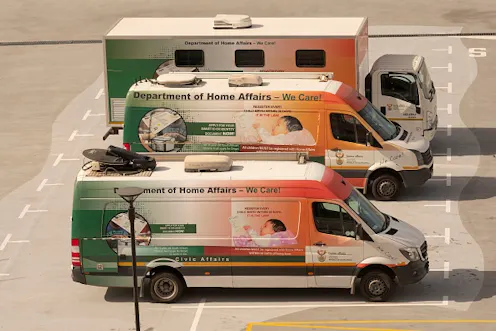
Problems identified include a backlog of visa, permit and status applications, fraudulent applications being first rejected, then accepted, and the system being used illegally.
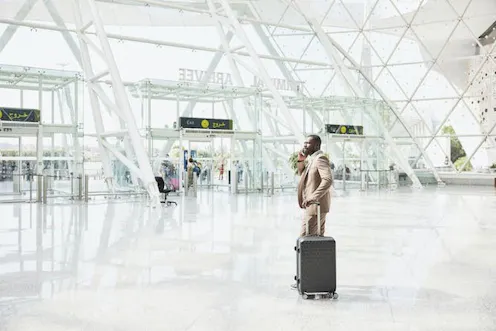
La régularisation de la libre circulation des personnes à travers les frontières africaines est l'un des grands défis de développement du continent.
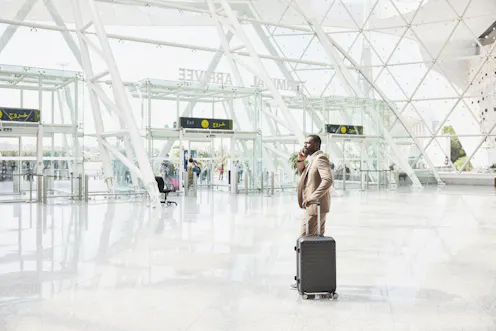
Regularising freer movement of people across African borders is one of the continent’s great developmental challenges.
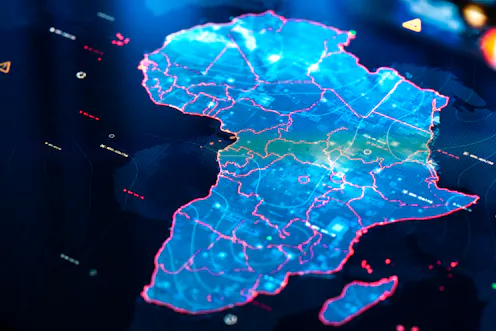
Immigration policy is so highly politicised that the South African government seems afraid to move.
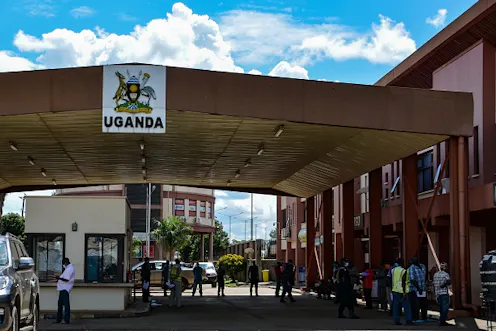
It’s likely that free movement will advance first among groupings within regional communities.
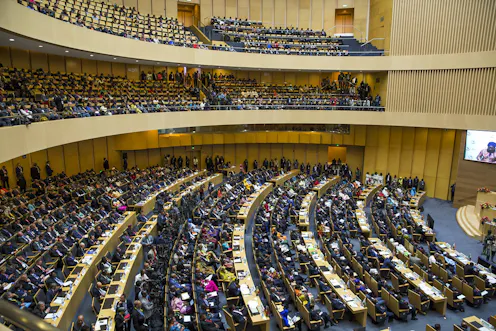
African countries are struggling to implement the African Union’s protocol on free movement four years after its ratification.
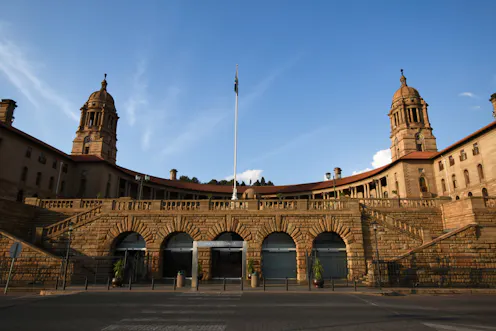
President Cyril Ramaphosa has revived a presidential advisory unit shut down by his predecessor. He needs it if he is to use his power effectively to improve his government’s policy coherence.
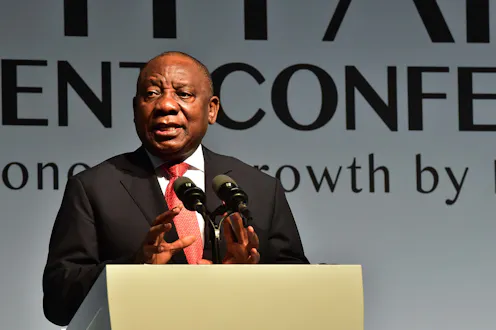
South Africa’s president has firmly thrown his weight behind the private sector. This could prove significant.
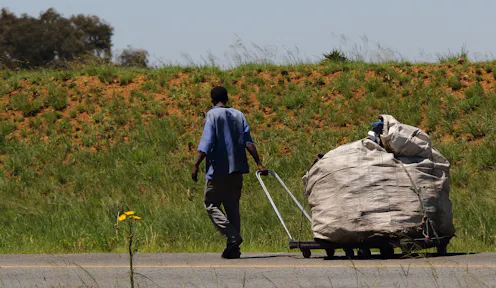
South Africa’s jobs summit failed to acknowledge fundamental issues in the approach to development and job creation.
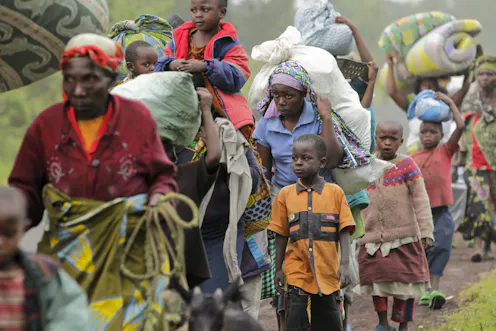
The free movement of people between African countries could facilitate economic development.

Increasingly, young people across Africa are taking up Nelson Mandela’s challenge of working to improve the lives of ordinary people.
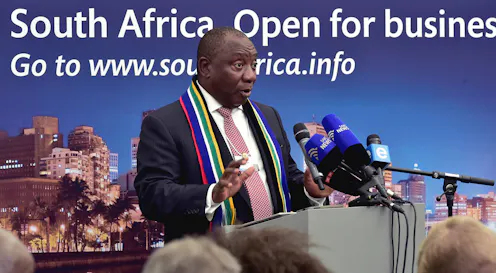
South Africa’s President, Cyril Ramaphosa, needs to quickly address key challenges to restart the economy.
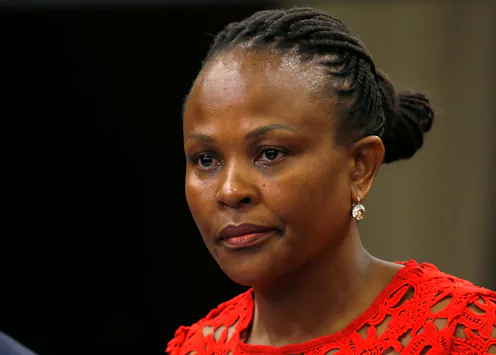
South Africa’s Public Protector, Busisiwe Mkhwebane has touched on two highly contentious issues: the unresolved bailout for a local bank three decades ago. And the role of the country’s Reserve Bank.
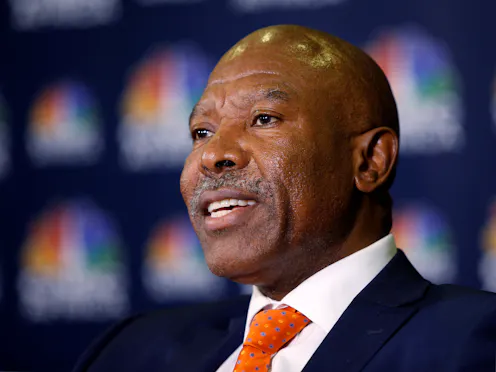
The South African Reserve Bank has come under spotlight due to the critical role it must play in enabling the country to navigate rough waters. Governor Lesetja Kganyago shares his views.
The risk following recently ended economic booms in Africa is that, due to insufficient planning and excessive optimism, the windfalls were wasted. But there are signs that Africa may be changing.
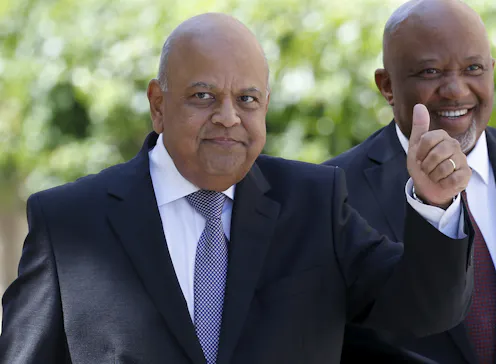
What lies behind the decision to criminally charge South Africa’s finance minister?
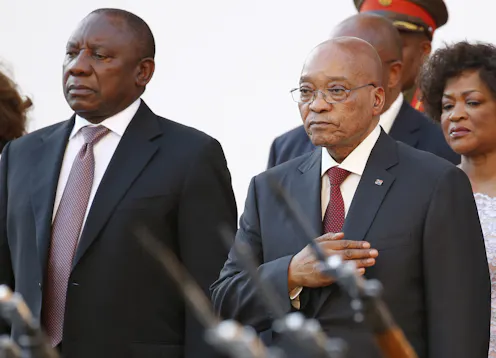
There are many good things about the budget, including the promised cut to the payroll, but many of the key commitments relating to how policies will support growth are, at best, pointers.
Contact Alan for
- General
- Media request
- Speaking request
- Consulting / Advising
- Research collaboration
- Research supervision
- Location: Cape Town, South Africa
- Website
- BlueSky: @alanhirsch.bsky.social
- LinkedIn: Alan Hirsch
- X (formerly Twitter): @AlanHirsch2
- Article Feed
- ORCID
- Joined
