
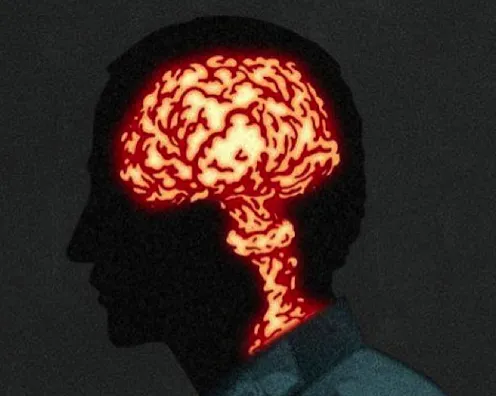
Until a few years ago, it was assumed that humans were born with the maximum number of neurons that we were ever going to have. There was no chance of self-replenishment as we got older, or if we suffered…
- Emeritus Professor of Anatomy, Physiology and Human Biology, The University of Western Australia
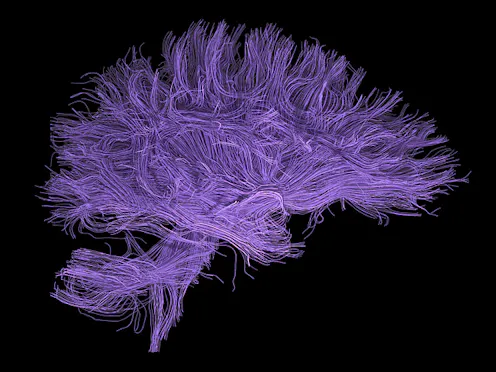
Brains are smart enough to rewire themselves, a new international study of rats has found. The study turns on its head the common misconception brain damage is irreversible, showing the precise neural…

US scientists have trained a seal to bob its head in time to music, in a study that the researchers say presents the first ever evidence that non-human mammals can keep a beat. It was previously thought…

Tone deaf people often fail to hear emotional messages such as sadness or annoyance in speech, relying instead on facial cues or body language, a new study has found. The findings suggest music and language…

There’s no doubt rock music evokes excitement, but is there more to that excitement than guitar solos and head banging? Writing in the Telegraph recently, science correspondent Nick Collins remarked: “Rock…
All human cultures and social groups that we know of respond to music and dance. The type of music may vary but the underlying, fundamental principles of making music are the same. Our recognition of…
Contact Alan for
- General
- Media request
- Speaking request
- Consulting / Advising
- Research collaboration
- Research supervision
- Article Feed
- Joined
