
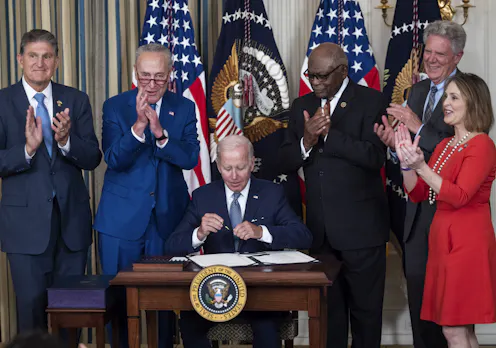
The Biden Administration’s signature climate legislation is unleashing a wave of clean energy investment, along with some opportunities and risks for countries like Australia.
- Chair of ARC Centre of Excellence for Quantum Biotechnology, The University of Queensland
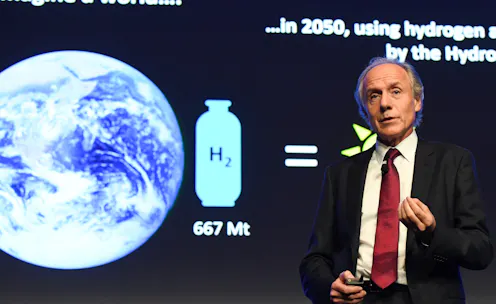
As he reaches the end of his five-year term, Australia’s Chief Scientist Alan Finkel reflects on his proudest achievements in the role - and why the biggest projects have been the most unexpected.
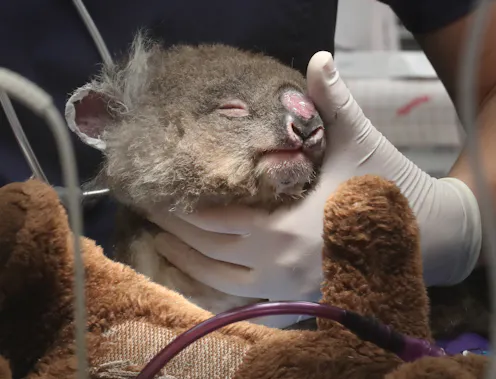
Ahead of National Science Week, Chief Scientist Alan Finkel reflects on the growing value of citizen science, emphasising the need for more collaboration as we deal with an evolving climate.
In 2016, women represented just 29% of workers with university qualifications in science, technology, engineering or maths. And that was before the pandemic disruption.
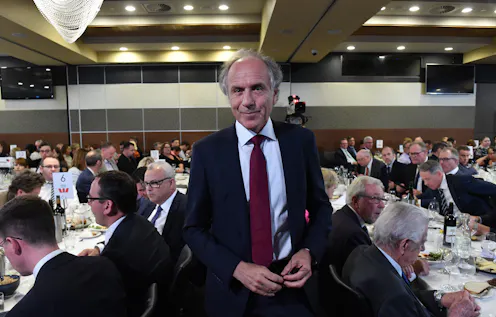
The world runs on energy, so finding low-emission alternatives to fossil fuels is crucial. Wind and solar are cheap and abundant but can’t do everything. But hydrogen fuel could complete the picture.
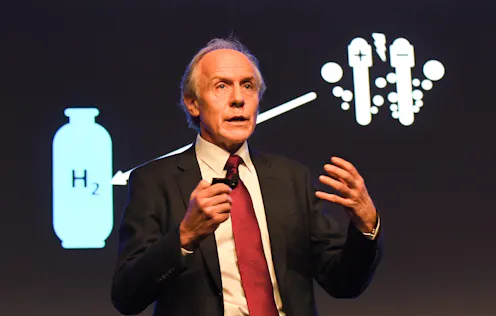
Just 1kg of hydrogen can power a split-cycle air conditioner for 14.5 hours. The possibilities are endless - and now we have a plan to get there.
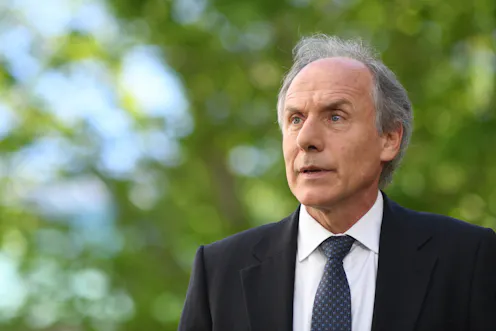
Australia’s top scientist Alan Finkel says too many poor quality research papers are being published in Australia, and the system may inadvertently encourage academics to behave badly.

Chief Scientist Alan Finkel writes we can do a better job of teaching students to master a discipline and maximise their post-school opportinities.
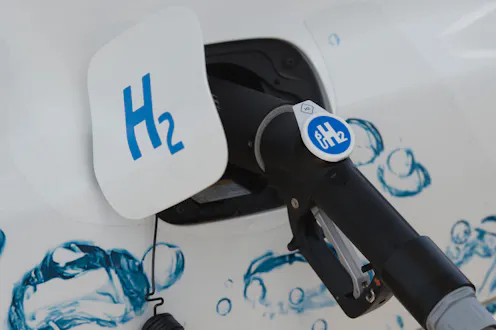
The latest UN climate report makes it clear that the task of limiting climate change is urgent and huge. We must start to transform our economy today, but it will bring rewards as well as challenges.
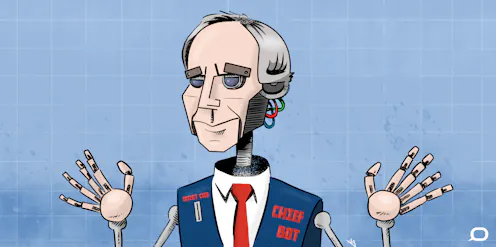
Chief Scientist Alan Finkel’s proposal for regulating AI is a trustmark. Its working title is ‘the Turing Certificate’, in honour of Alan Turing.
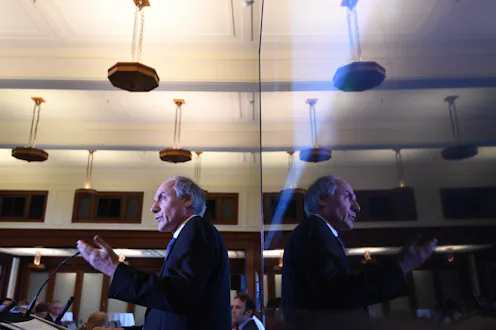
Many Budget 2018 measures appear to have origins in proposals advanced by the science community.
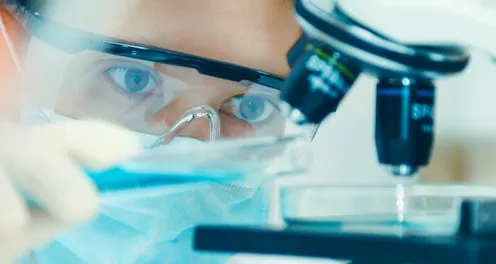
The only place to find the Golden Age of Science is in the future, but we need some help in getting there.

We often focus on the “science” part of citizen science. The “citizen” is important as well. It reminds us that we are part of something greater than ourselves, with a duty to generations to come.
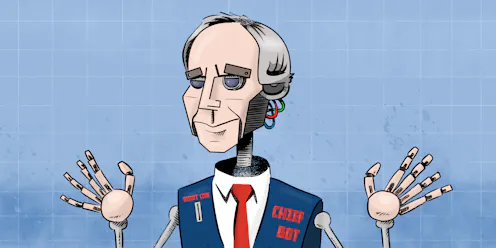
Australia’s Chief Scientist Alan Finkel says while it’s possible to build robots to take over jobs – including his own – humanity still has the edge over machines.

If we want excellence in our schools, we have to provide a system with the incentives, enablers and rewards for improvement built in.
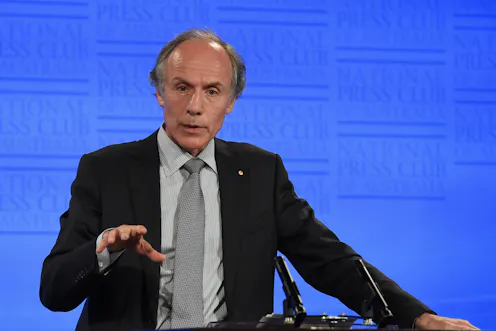
Australia’s Chief Scientist, Alan Finkel, talks about the opportunities for Australia in science, research and innovation at the National Press Club.
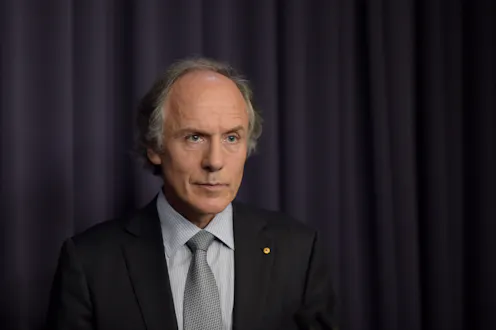
Chief scientist Alan Finkel comments on cuts to climate jobs at CSIRO.
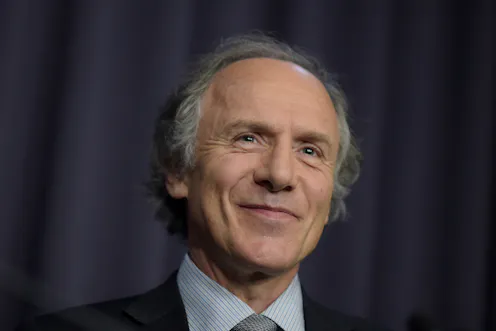
Dr Alan Finkel took over as Australia’s Chief Scientist in January this year. In this exclusive interview, he describes his approach to science, and to issues such as renewable energy and STEM jobs.
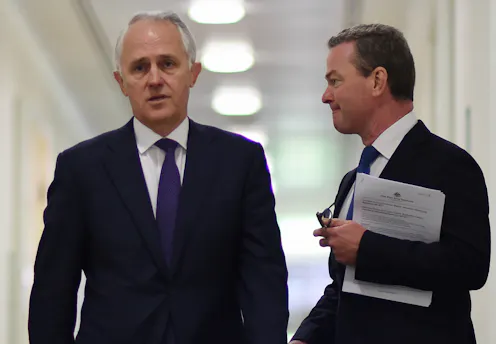
The challenge for a 21st century Australian government is to capitalise on research and create new jobs, industries and opportunities for the coming century.
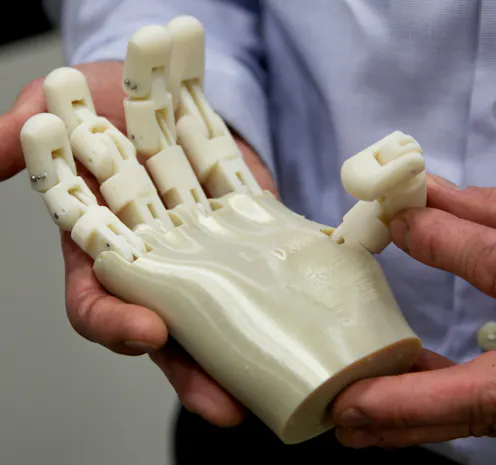
Australia has a bright future in advanced manufacturing, but it will be a turbulent transition that we need to manage carefully.
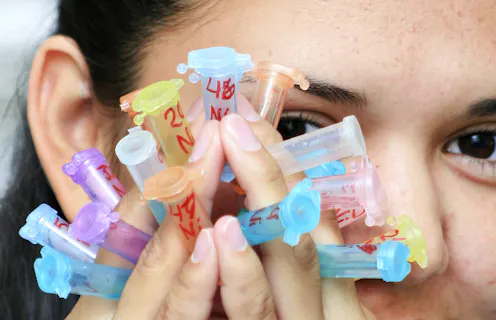
MATHS AND SCIENCE EDUCATION: We’ve asked our authors about the state of maths and science education in Australia and its future direction. In this instalment, Chancellor of Monash University Alan Finkel…
Contact Alan for
- General
- Media request
- Speaking request
- Consulting / Advising
- Research collaboration
- Location: Australia
- Website
- X (formerly Twitter): @n/a
- Article Feed
- Joined
