

Australian households are taking on much bigger mortgages than they were 15 years ago. And our incomes haven’t kept up, either.
- Director, Bankwest Curtin Economics Centre (BCEC) and John Curtin Distinguished Professor at Curtin Business School, Curtin University
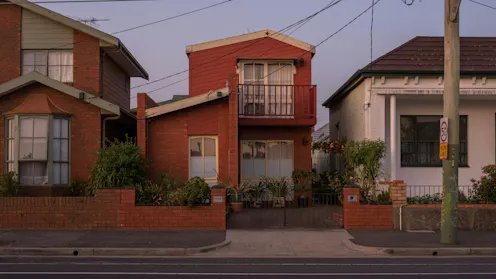
We are judging the success of Australia’s housing system using the wrong measures.

About one million casual workers will miss out, simply because they haven’t been with their latest employer for more than 12 months.

The policy focus remains on home ownership, but a new survey shows slight improvements in affordability do little to help people on low incomes. Their plight calls for better social housing policy.

Expensive hospitals are what Australians want, but prevention and local solutions are what Australians need.

The hard nuts to crack are getting women into chief executive positions and getting them paid as much.

There’s never been a better time for tax reform. But as governments have tried (and stumbled) over the years the burden has shifted to individual taxpayers and the latest budget looks no different.
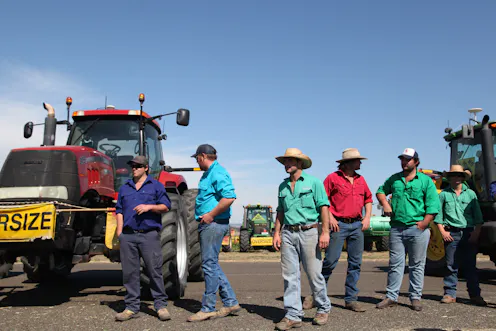
Despite relatively stable and low levels of unemployment, workers are increasingly concerned that their jobs are at risk.

New modelling shows negative gearing and capital gains taxes can be reformed in a way that doesn’t impact poorer investors.
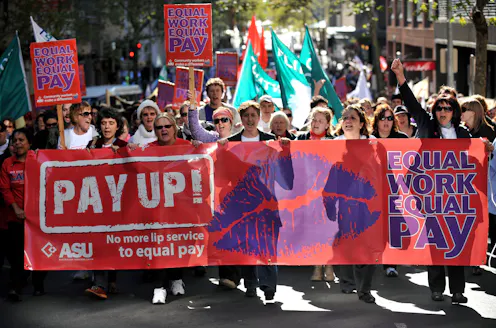
A combination of analysis and action is the most effective way to close the persistent gender wage gap.

Households in NSW spend the most and WA households the least in Australia, but there are segments of WA who are feeling the bite more acutely in cost of living.
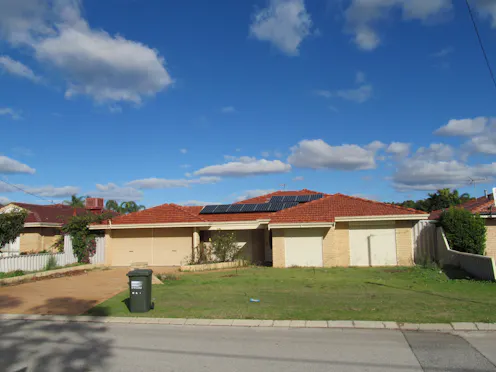
Western Australia has huge amounts of sunshine and wind, yet only 7% of its energy comes from renewables. What’s more, most households in the poorest suburbs are still locked out of the solar panel boom.

The gap between the most and least advantaged areas in Australia is reflected in educational inequality.

Total government spending has increased over time. But the pressure on the budget under a Turnbull government is more acute now than ever before, because spending is outpacing revenue.

The end of the mining boom has hit many people in Western Australia hard, and this has flowed strongly into the election. Debt and deficit are besetting the state budget.

Mining will continue to be a dominant force in Western Australia’s future but the health sector is the more likely to deliver jobs and growth than tourism or agriculture, new research shows.

Was Malcolm Turnbull right to say that 300,000 new jobs created in the last calendar year, with almost two-thirds held by women?

Was Opposition Leader Bill Shorten right about full time job losses and underemployment under the Coalition government?

Australia’s housing stock is not meeting the demands of older Australians, according to a new report.

Any government policy focused on innovation must recognise the importance of proximity.

Women receive less pay than men, especially at a top management level, and are less represented on the board of organisations, a new study has found.

There are far too many financial incentives keeping older Australians from choosing to downsize.

Assistant Treasurer Josh Frydenberg told the Q&A audience last week that a lot of cafes and restaurants are closing because of Sunday penalty rates. Is that supported by the evidence?
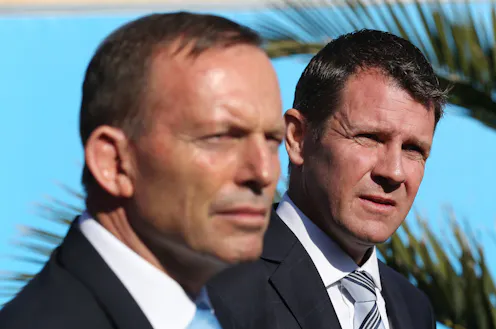
Who supports increasing the GST and who is against it? What does ‘regressive tax’ mean? And who will be worse off? Our experts give the answers.

We know saving is good and not all debt is bad. Where is our relationship to both?
Contact Alan for
- General
- Media request
- Speaking request
- Consulting / Advising
- Research collaboration
- Research supervision
- Location: Perth, Australia
- Website
- LinkedIn: alan-duncan-b787498a
- Article Feed
- Joined
