
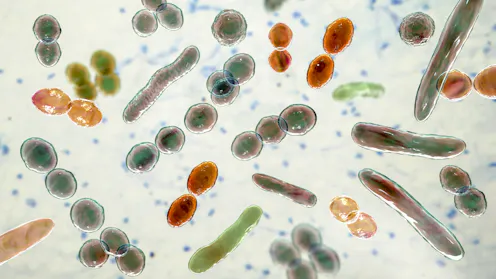
Ten million people could die in 2050 if there are no decisive efforts to contain antibiotic resistance.
- Associate professor, University of KwaZulu-Natal
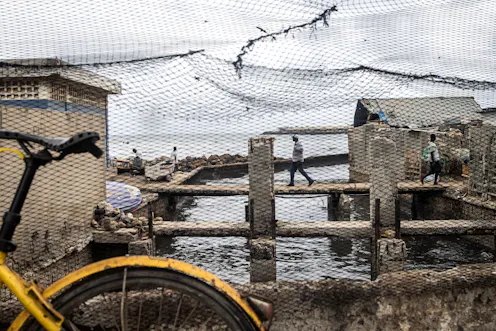
Wastewater treatment plants receive wastewater from a variety of sources. This makes them useful proxies for determining the burden of antimicrobial resistance in communities.

Water at informal settlements, where sanitation and waste management facilities were absent, had high bacteria levels.
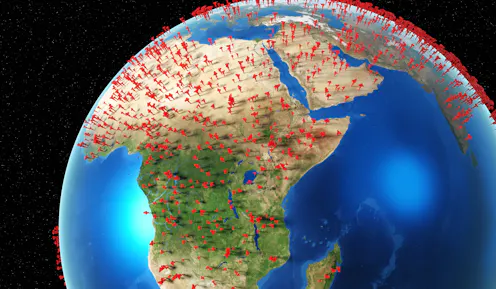
African countries need to strengthen their capacity for identifying new cases.
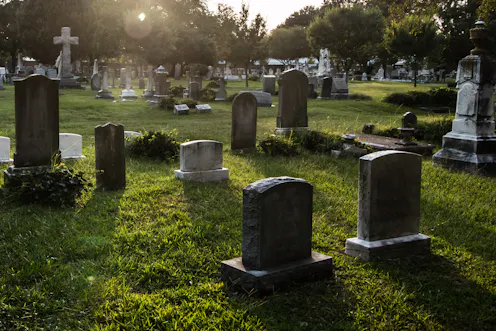
Bacteria and other toxic biological waste arising from decomposing bodies can contaminate water sources, representing a public health concern.
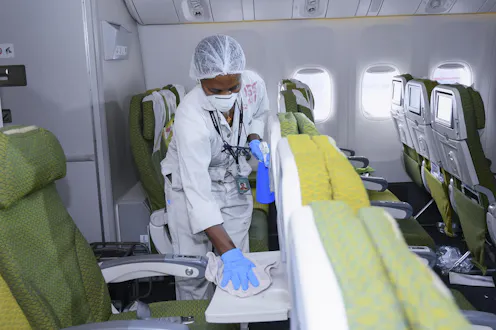
A key component of how the coronavirus could be spreading is the environment.
Contact Akebe for
- General
- Media request
- Speaking request
- Consulting / Advising
- Research collaboration
- Research supervision
- Location: Durban, South Africa
- Website
- X (formerly Twitter): @AbiaLuther
- Article Feed
- ORCID
- Joined
