

Google search algorithms often pull up misleading descriptors for controversial people, and results can differ across languages. Understanding how these algorithms function can address misinformation.
- Associate Professor, News, Social Media, and Public Communication, Simon Fraser University

The Russian Embassy in Canada is active in spreading disinformation and promoting the Russian perspective on the events taking place in Ukraine.
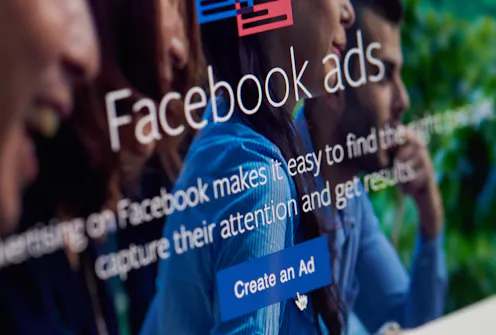
Facebook’s public attempts to combat misinformation in advance of the upcoming election are ineffective and serve to improve the company’s image.
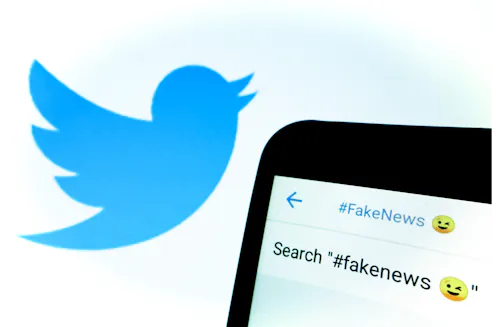
Studying Twitter in advance of the federal election has shown that the hashtag #FakeNews is being used to discredit Canadian mainstream media and create echo chambers.
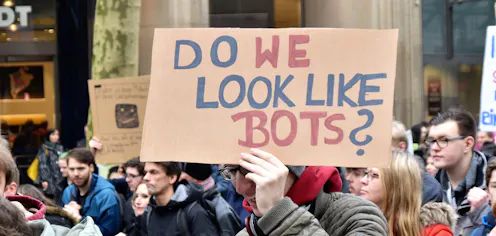
Claims that tweets on the Canadian election are the work of bot accounts, without empirical evidence or verification, need to be taken with a grain of salt.
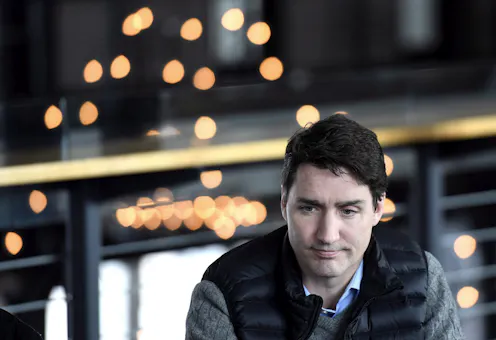
Un examen de l'activité de Twitter après les meurtres à la mosquée de Québec révèle que des trolls russes ont travaillé pour répandre de fausses nouvelles.

An examination of the Twitter activity after the Québec mosque murders reveal that the majority showed sympathy towards the victims, but Russian trolls worked to spread antagonism and fake news.
Contact Ahmed for
- General
- Media request
- Speaking request
- Consulting / Advising
- Research collaboration
- Research supervision
- Location: Burnaby, Canada
- Website
- X (formerly Twitter): @ahmedkhalid75
- Article Feed
- ORCID
- Joined
