
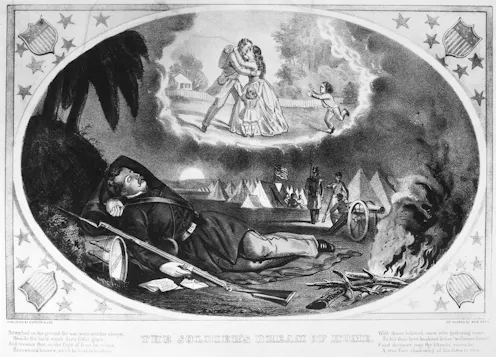
People experiencing symptoms such as lethargy, depression and disturbed sleep were once diagnosed with “nostalgia”.
- Chancellor's Fellow, History of Medicine, Emotions and Modern British History, University of Edinburgh

Framing vaccines as an infringement of liberty is a powerful tactic, but obscures health and political factors that may actually drive resistance.
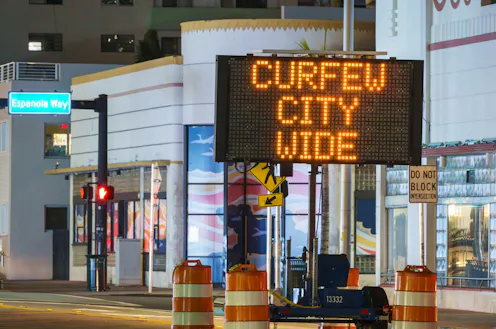
Curfews are associated with a long history of racism and prejudice.
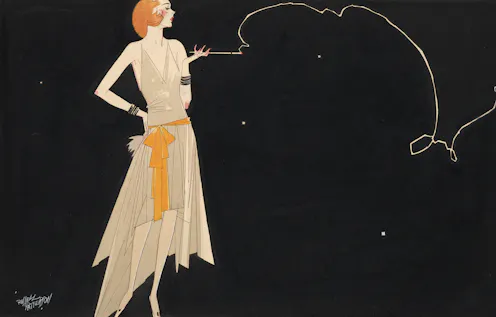
La fin de la pandémie de grippe de 1918 a été suivie d’une période de prospérité connue sous le nom des « années folles ». La fin de la Covid-19 marquera-t-elle le début de la même effervescence ?
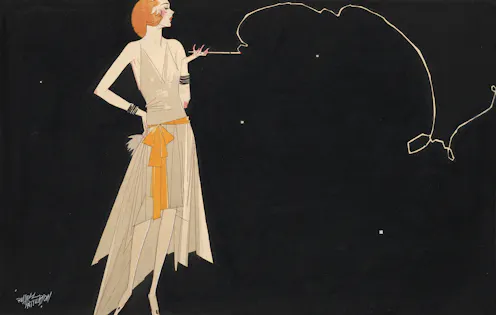
A century ago, the end of the 1918 flu pandemic was followed by a period of prosperity, cultural flourishing and social change known as the Roaring ‘20s. Will the end of COVID-19 launch a similar era?

History tells us that the end of pandemics are rarely – if ever – neat, uncomplicated, or even easy to date.
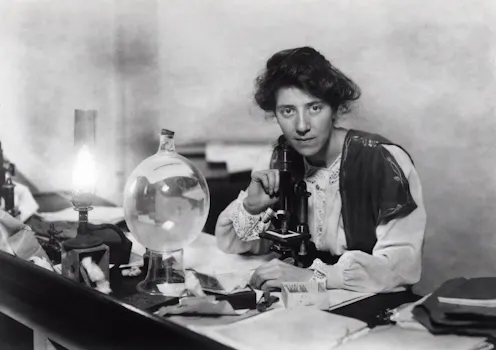
When it comes to anniversaries we should not just celebrate the good but also take stock of the bad.

We should assess the pandemic’s effect in the round, beyond just COVID deaths.
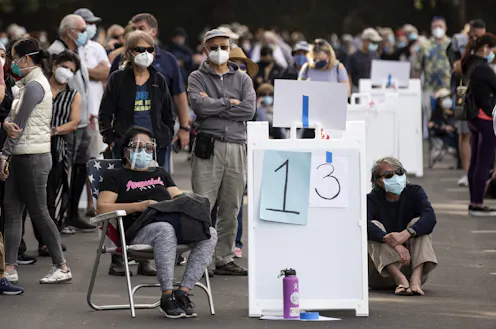
History tells us that delays, administrative hurdles, messiness and complexity are the norm.

Too much hope is being pinned on the vaccine alone to get us out of the current pandemic. But ‘low-tech’ solutions are needed, too.

‘Sensible’ public figures have far less influence on our behaviour than it seems
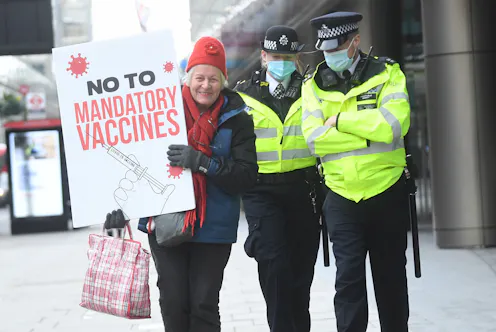
We shouldn’t paint all those hesitant or unsure about new medical treatments with the same broad brush. We need a more productive and thoughtful conversation.
Contact Agnes for
- General
- Media request
- Speaking request
- Consulting / Advising
- Research collaboration
- Research supervision
- Location: London, UK
- Website
- X (formerly Twitter): @agnesjuliet
- Article Feed
- ORCID
- Joined
