

Big decisions are messier than they look, but there are things you can try before taking the leap – or not.
- Associate Professor of Marketing, University of Technology Sydney

Showing one product, but pairing it with the price of a different product, is common on online shopping sites. It’s not just wasting your time: it can be illegal.

‘Free’ shipping sounds like a much better deal than paying for it. But here’s what to consider before placing your next order.
There’s a good reason why an increasing number of businesses are using games and challenges to attract customers - they work.

If you’re not a zoomer, MrBeast may be the most famous person you’ve never heard of. The famous YouTuber is now in Australia, spurring awe and delight with his major prize giveaways.

Our relationship with money is complex – but when it comes time to indulge or resist the sales, a few tricks can help your spending.

We’ve seen panic buying, the rise of the “homebody economy” and a strong shift towards contactless shopping. So what now?

A transcript of episode 14 of The Conversation Weekly podcast, including how people make their life’s biggest decisions.

Plus, a psychologist on how we look back at our big decisions in life. Listen to episode 14 of The Conversation Weekly podcast.

Psychological research presents some unsurprising wisdom about how to make big decisions without regret: focus on people, don’t miss opportunities, and stay true to yourself.

Choosing the wrong gift can damage a relationship. Here is some advice, based on decades of research, on how to side-step the pitfalls.

There are strong psychological drivers underpinning the impulse to splurge hard-earned money online. There are also some simple ways to stop.

Your trust in online consumer reviews may be misplaced. Check your ability to spot real from fake reviews with our quiz.

Most consumers underestimate the greenhouse emissions associated with different foods. But environmental labels, similar to existing nutrition information, can help us make lower-impact choices.
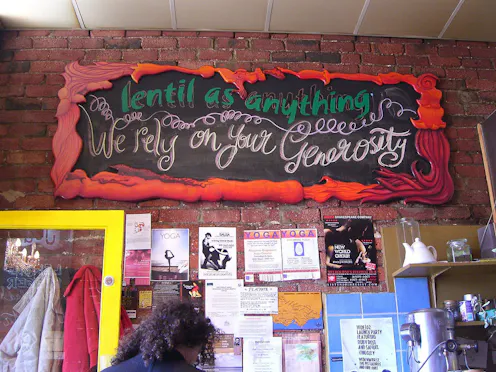
There may be altruistic reasons for companies to adopt ‘pay as you want’ pricing, but research shows it can lead to an increase in revenue.

People aren’t the perfectly rational, number-crunching risk-takers that traditional theory suggests. Research shows a whole variety of factors feed into risk-taking.
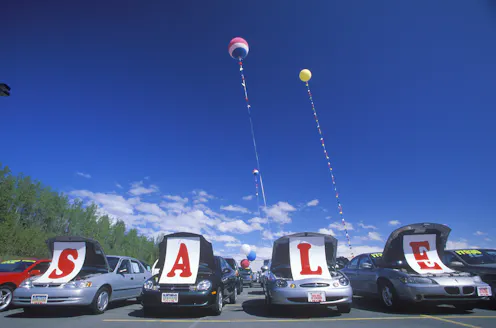
It’s all in the presentation: In studies, consumers were more apt to choose fuel-efficient vehicles depending on how the same pieces of information were displayed on labels.
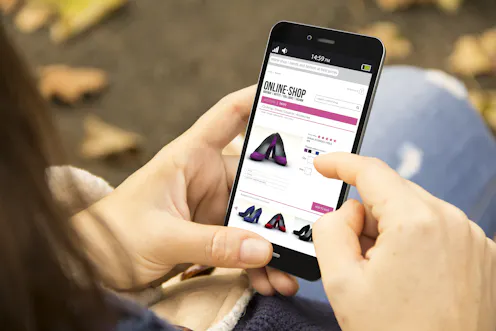
Online ratings and reviews may seem like a good way to see what other consumers think of a product but they can be to simplistic and misleading, research shows.

When making judgements it pays to be humble, seek out new perspectives, and expect to make mistakes.
Contact Adrian for
- General
- Media request
- Speaking request
- Consulting / Advising
- Research collaboration
- Research supervision
- Location: Sydney, Australia
- Website
- X (formerly Twitter): @ARCamilleri
- Article Feed
- ORCID
- Joined
