

In the second half of 2025 influenza killed more Australians a month than COVID. Here’s how it happened.
- Professor of Biostatistics and Epidemiology, Adelaide University

Diseases once thought confined to history are making a comeback in Australia. And vaccination is only part of the story.

As we prepare for the festive season, it’s easy to let COVID boosters fall off our to-do lists. But COVID is still circulating and new shots are available.

If last year is anything to go by, the flu season is dragging on. So, it’s still worth getting a flu shot if you haven’t had one already this year.

This year’s flu season has been unusually severe – and COVID is still sending some people to hospital, too.

Vaccine Nation is a timely, urgent and often deeply personal account of vaccination’s role in our world.

These three examples of statistical mistakes have had major consequences for our health and shopping habits.
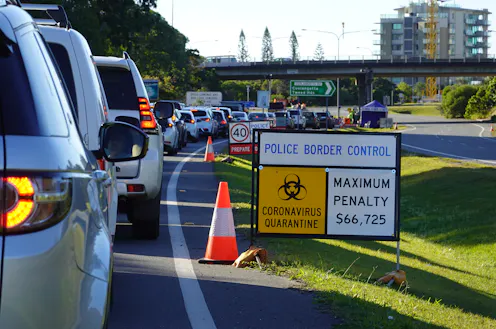
From the vaccine rollout, to hotel quarantine, to understanding the science of the virus, a range of experts look back at how Australia fared.
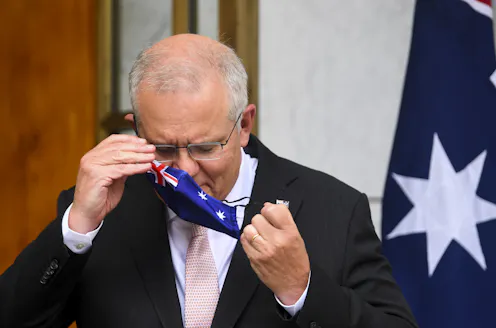
The COVID-19 pandemic is over, though of course the virus is still with us. Looking back, how should we judge the government response? What did we do right, and what could be done better?
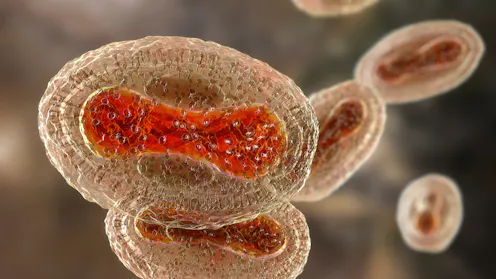
For the majority of the population, the risk appears to be very low. And for the higher-risk groups, we should be able to manage any outbreaks.
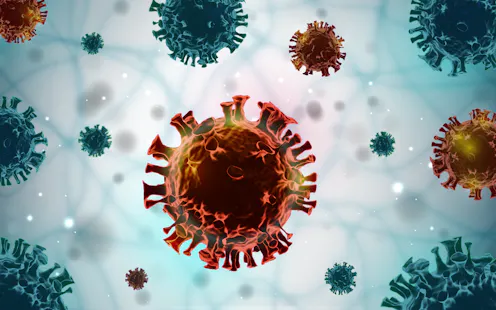
Emerging evidence suggests LB.1 could be more transmissible than earlier Omicron subvariants, but there’s nothing to suggest it will cause more severe disease.
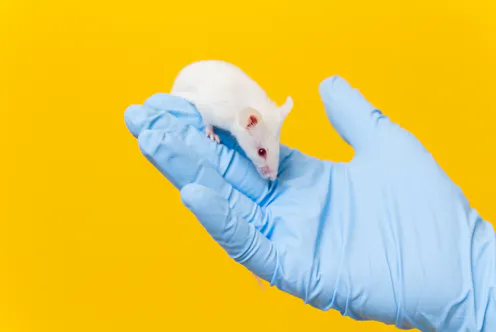
Here’s why so few drug candidates in animal trials end up as human therapies.
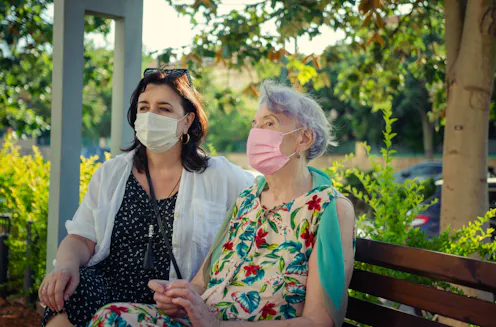
Another year, another COVID wave. Here’s what we know about what the virus is doing around the country.
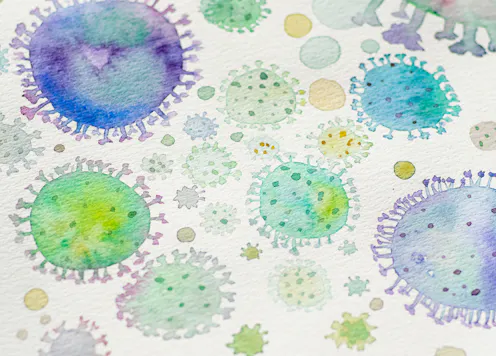
This whirlwind tour of social history describes how infectious diseases have shaped humanity at every stage. It suggests reducing inequality will give us our best chance of surviving future plagues.
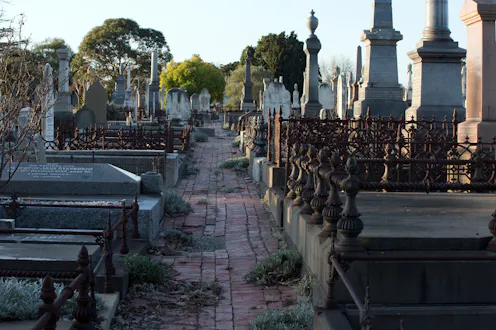
There were deaths from COVID and deaths with COVID – but other deaths are also likely linked to the virus’s impact on our health and our medical care.
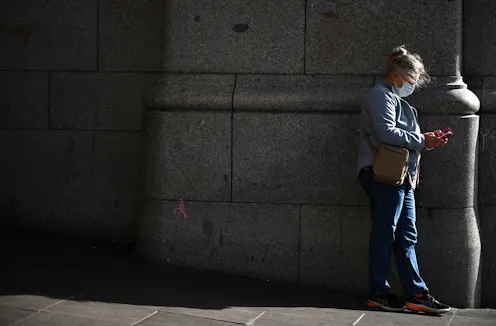
A combination of seasonal factors, under-diagnosis and under-reporting could explain why rates of COVID hospitalisation and death are rising faster than cases.
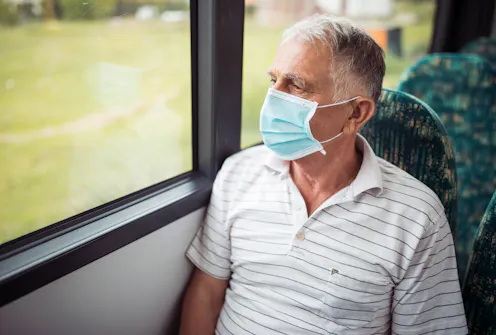
BA.4 and BA.5 are more transmissible than previous variants and subvariants, and are better able to evade immunity from vaccines and previous infections. Here’s what we know about them so far.

Knowing whether it’s safe to travel is harder in the age of COVID. This travel guide may help.

The risk of a household contact becoming infected is low. So it’s time to lift isolation requirements, now so many of us are immune to the virus.

In early 2020 we didn’t know whether a COVID vaccine was possible. And we changed our minds on face masks and surface transmission.
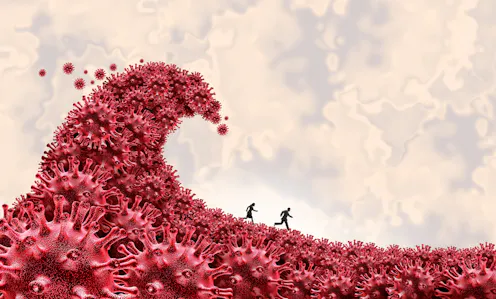
We’d all like some answers. But uncertainty over how we count COVID cases is complicating the picture. Here’s what to expect in the days and weeks ahead.

‘Racism and misogyny are part of it. They simultaneously spruik pseudoscience and anti-science agendas which have come to Australia from overseas,’ said one expert.

The k number tells us whether the spread of a disease is steady or comes in big bursts, with a small proportion of people infecting many others. The latter is know as superspreading.

For those desperate for international holidays, there is light at the end of the tunnel.
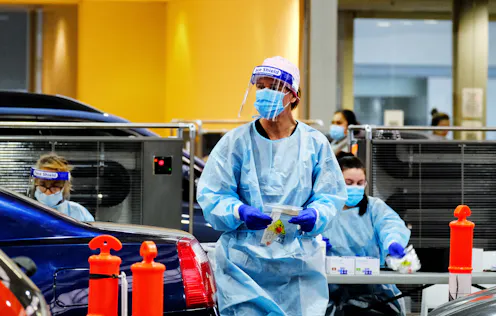
We’ve learnt two cases linked to Melbourne’s COVID outbreak were in fact ‘false positives’. Here’s what that means, why it can happen, and how common it is.
Contact Adrian for
- General
- Media request
- Speaking request
- Consulting / Advising
- Research collaboration
- Research supervision
- Location: Adelaide
- Website
- BlueSky: @profesterman.bsky.social
- LinkedIn: prof-adrian-esterman-19227139
- Article Feed
- ORCID
- Joined
