
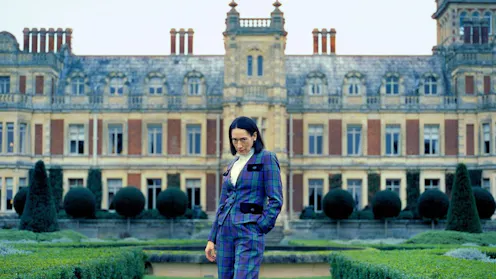
Lady Isabella thinks she’s “aristocracy’s answer to the Kardashians” but visibility has a strange, unexpected effect on her.
- Associate Professor in 18th-century Literature, York St John University
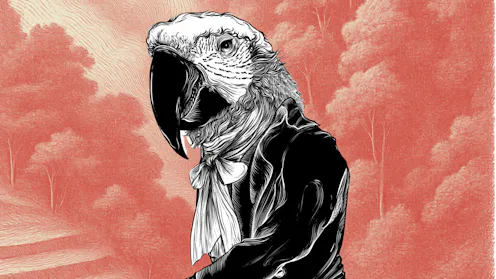
A fictional astrologist, parrot, Chinese philosopher and midwife wrote biting and sought after political satire in the 18th-century.
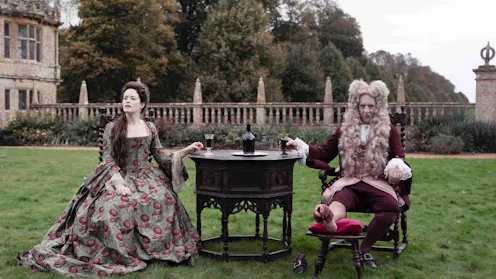
Dirt, sex and faeces abound in 18-century literature.
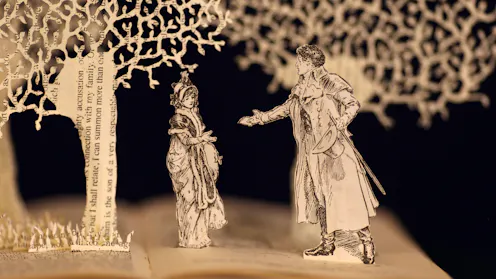
In the second episode of Jane Austen’s Paper Trail, we speak to Austen experts about her views on love, and the role of romance in Pride & Prejudice.
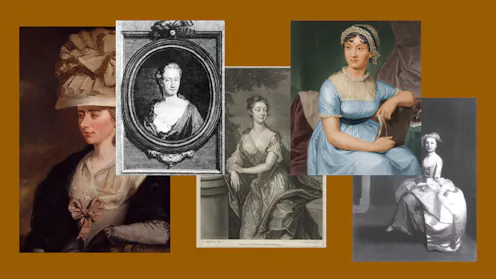
Although many women writers were critiquing society in the 18th century, hardly any of them were considered satirists.
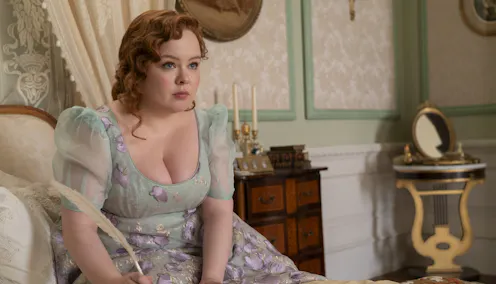
Penelope Featherington uses Lady Whistledown to comment on a society she feels restricted by as a woman.
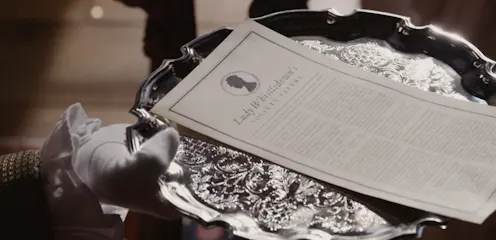
From editors looking to ‘expose the false art of life’ to others taking up the cause of the marginalised, writers went anonymous to share their uncomfortable truths.
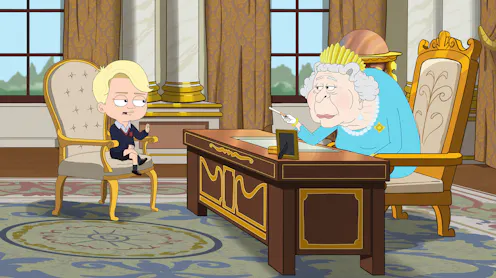
Royal satire has softened over the last 300 years, but audiences are more sensitive to barbs against the institution.
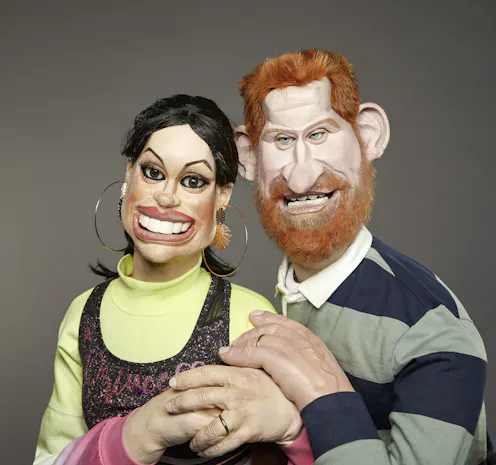
Satire can skewer a pompous or corrupt politician. But history shows it can also popularise its targets.

Spoof Twitter accounts carry on a grand tradition of satire that has its roots in the 18th century.
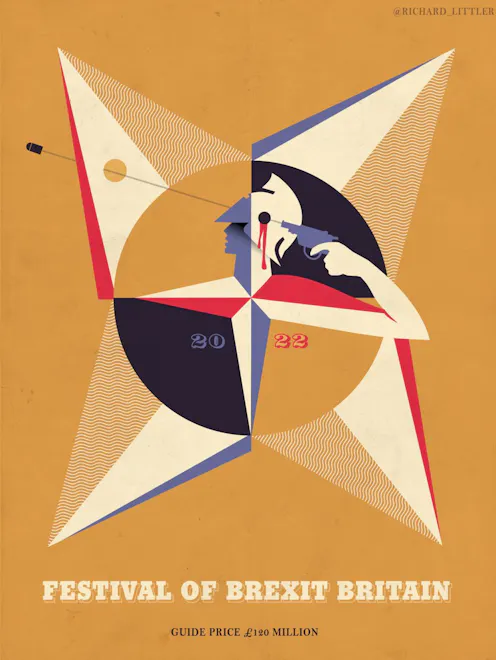
Too many satirists on social media misunderstand that it is humour designed to provoke change, not merely direct ridicule.

CC BY-ND39.8 MB (download)
A podcast on darkness: from why it makes us scared, to what kind of nightlife can thrive in the modern city and an update on the hunt for dark matter.

Our expert reveals that modern coffee culture has its roots in 18th-century literature.
Contact Adam for
- General
- Media request
- Speaking request
- Consulting / Advising
- Research collaboration
- Research supervision
