
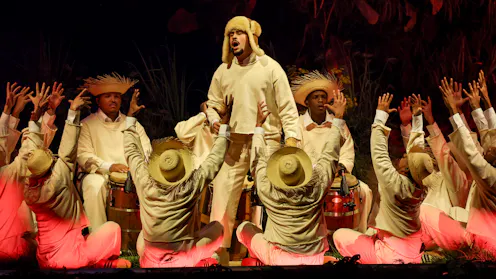
Culture wars once arose from impromptu events that struck a nerve among Americans, but they are now started by partisan agitators who introduce them to politicians and watch them take hold.
- Associate Professor of Communication and Media Studies, Pace University
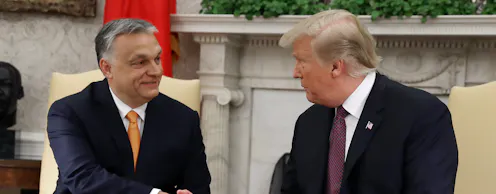
In his second term, President Donald Trump asserted new control over the press − as Hungary’s strongman leader Viktor Orbán had urged him to do.
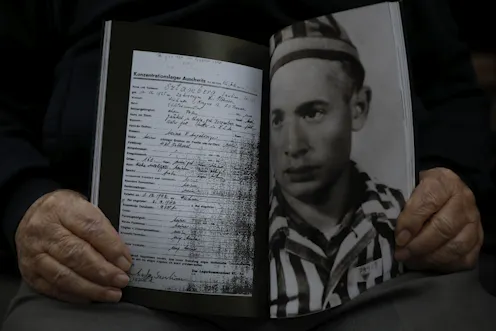
As social media platforms fight Holocaust denial and anti-Semitism, online archives offer another possible approach: direct links to the historic truth.
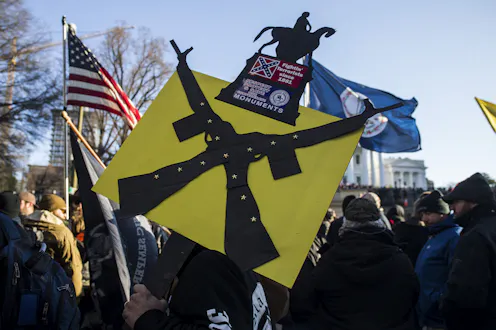
Facebook, Twitter, YouTube and other social networks say they are targeting hate, but they’re overlooking a major source of hateful content: gun talk.
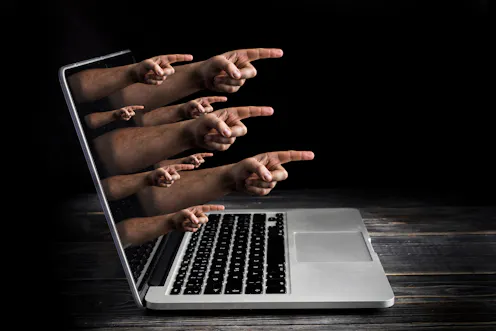
Hysterical narratives promoting fear among some Americans may be more effective at sparking violence than hate speech is. Social media companies are expected to guard against both.
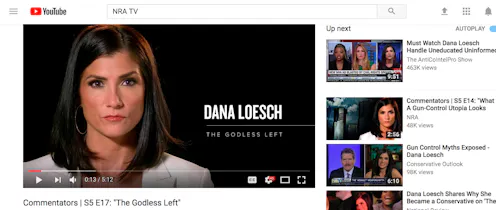
Gun control advocates want to shut down the National Rifle Association’s online video channel, NRA TV. A scholar looks at what its videos are actually about.
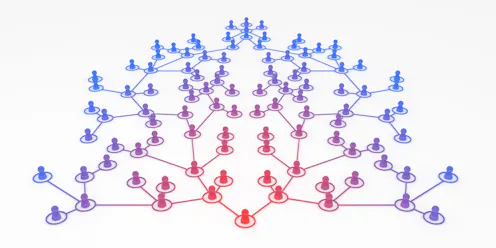
Today’s radical right is remaking its profile, using online communications to spread its message farther and deeper into our society than ever possible before.
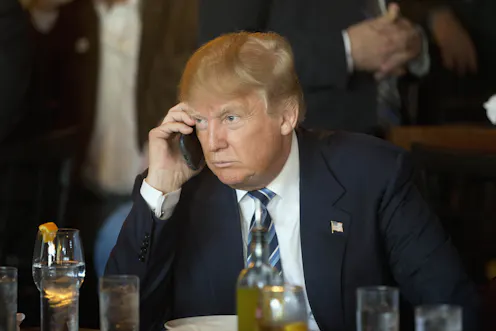
Trump has given extremists a high-profile stage, but in the process exposed them to the disinfecting sunlight.
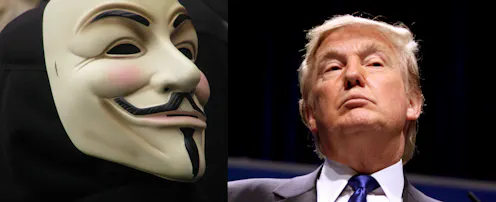
Anonymous is not seeking to tear down Trump’s personal privacy, but something much more sacred to him: his brand.
Contact Adam for
- General
- Media request
- Speaking request
- Consulting / Advising
- Research collaboration
- Research supervision
- Location: New York, New York, U.S.
- Website
- Article Feed
- ORCID
- Joined
