

A repeat of the Berlin airlifts of 1948 and 1949 would require a unity of political will that doesn’t exist in the west – at least, not yet.
- Senior Lecturer in Politics and International Relations, University of Dundee

The military coup may mark the end of Myanmar’s short-lived and fragile democracy, but it is galvanising growing protest.

In a country with 135 ethnic minorities, democratic elections have little meaning if the stateless, persecuted Rohingya people continue to be ethnically cleansed.

Roughly translating as ‘Hindu-ness’, Hindutva reframes the majority religion more as an identity, stoking tensions and intolerance of Muslims.
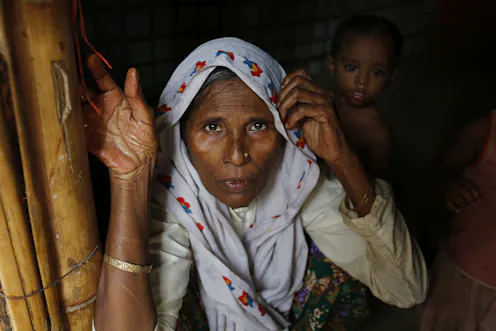
The current repatriation deal signed by Myanmar and Bangladesh fails to guarantee the safety and citizenship of the Rohingya people or address issues of justice for crimes perpetrated against them.

Forty years ago this shocking event paved the way for a 24-year rule of fear that saw Iraqi citizens repressed, tortured and murdered.

Taking on the state with threats and violent protests was met with a swift crackdown by Imran Khan’s new government.
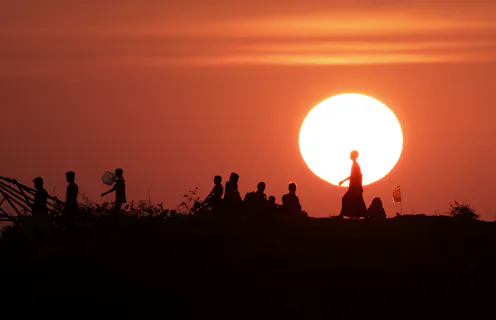
One of the world’s worst refugee crises is still unfolding, and conditions on the ground have barely improved.
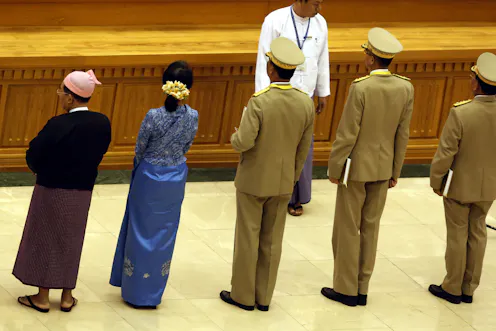
Once a beacon of democratic hope, Myanmar’s ‘civilian’ government is showing its true nature.
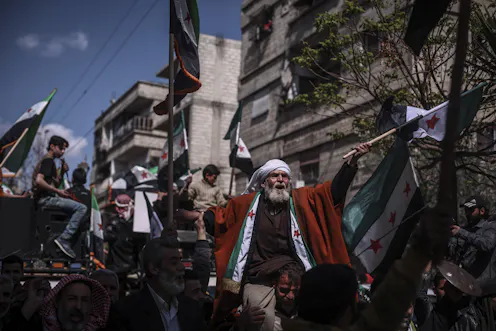
The individual most directly responsible for a colossal humanitarian crisis is still in power – and might be for some time.
Contact Abdullah for
- General
- Media request
- Speaking request
- Consulting / Advising
- Research collaboration
- Research supervision
- Location: Dundee, United Kingdom
- Website
- X (formerly Twitter): @DrAYusuf
- Article Feed
- ORCID
- Joined
