
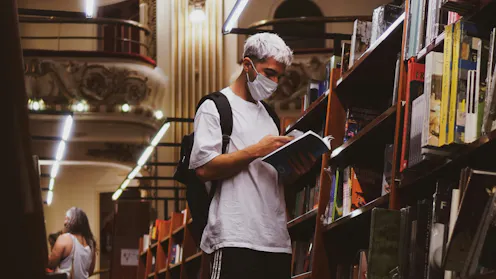
On a hot or smoky day, a shopping centre or library can offer refuge. We need to design climate havens with the warming future in mind.
- Professor, Social Design, Faculty of Design and Society, University of Technology Sydney
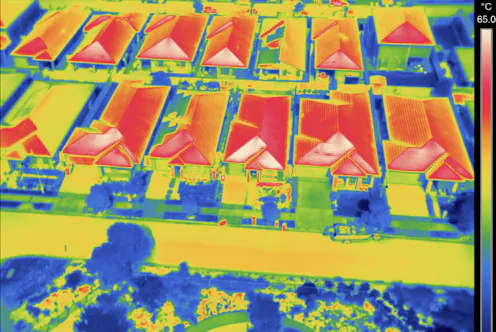
Western Sydney residents whose homes often get hotter inside than outside during heatwaves have learnt to be resourceful in adapting to the increasing heat.
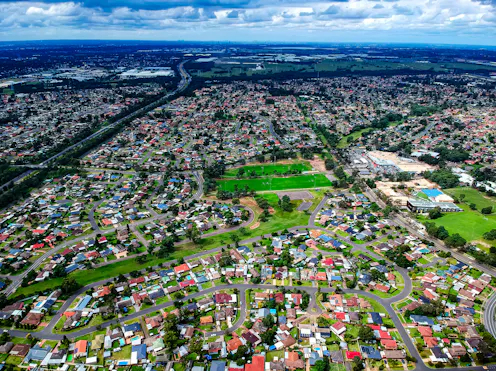
Western Sydney can be up to 10°C hotter than the coast. Poorly constructed housing can’t handle the heat.

As our cities get hotter, rebuilding whole suburbs better suited to the heat is not an option. Instead, we can draw from the best examples of how to adapt neighbourhoods and behaviours.

The colour, size, shape and weight of your cutlery and crockery affect how you eat. Your popcorn can seem saltier and your coffee sweeter.

Air conditioning isn’t the answer for everyone, especially for residents of the less affluent – and often hotter – suburbs of our big cities. But there are other ways to make hot days more bearable.
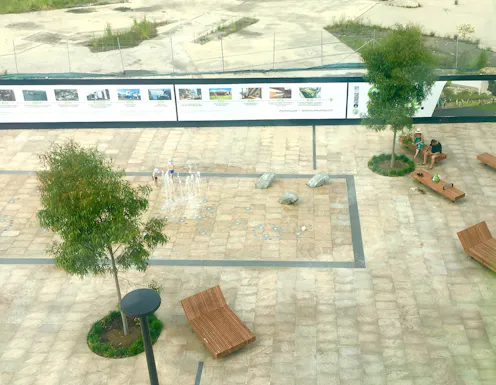
Trees and the shade they provide are one of the best ways of cooling cities. But they also present challenges that are best resolved by managing this shared resource as part of an urban commons.
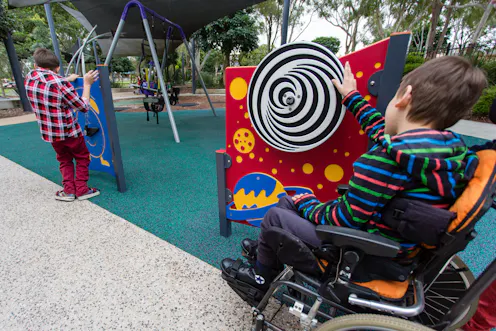
Commonly used surfaces in play areas, such as “soft fall” materials and Astroturf, can heat up to 80-100°C in the sun. This makes them a hazardous design choice, especially as the climate gets hotter.
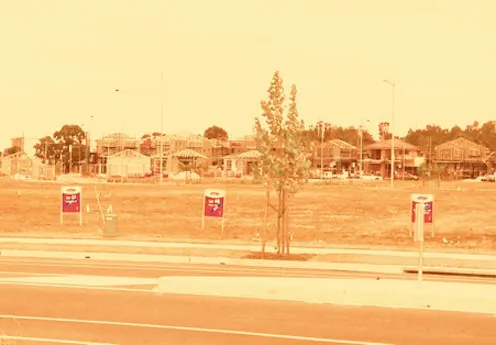
Extreme heat divides people from the environment and from each other. So with the rapid densification of our cities, what kind of legacies are we building for future generations?
Contact Abby for
- General
- Media request
- Speaking request
- Consulting / Advising
- Research collaboration
- Research supervision
- Location: Sydney, Australia
- Website
- Article Feed
- ORCID
- Joined
