
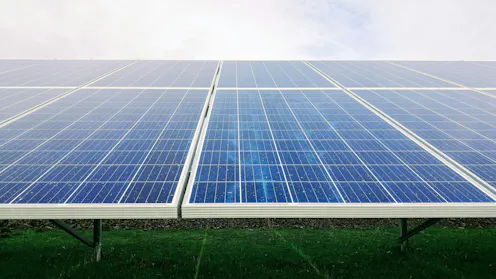
From space hotels and artificial meteor showers, to a new giant mirror that reflects sunlight to Earth — low-Earth orbit is getting weird.
- Professor, Physics and Astronomy, University of British Columbia
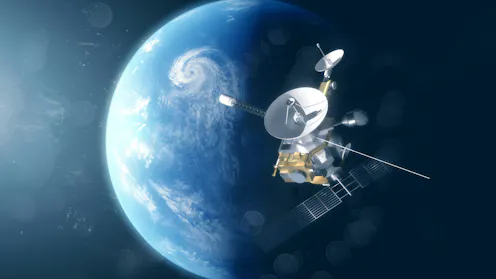
How prepared are we for a solar storm, bad software update or cybersecurity event that could trigger widespread loss of satellite control?

If SpaceX launches one million new satellites, it will increase atmospheric pollution and risk of falling debris. And we will see more satellites than stars.

As the number of satellites and rocket launches increases, so does the amount of discarded rockets and components. This space junk risks falling to Earth, as it did in Saskatchewan this spring.
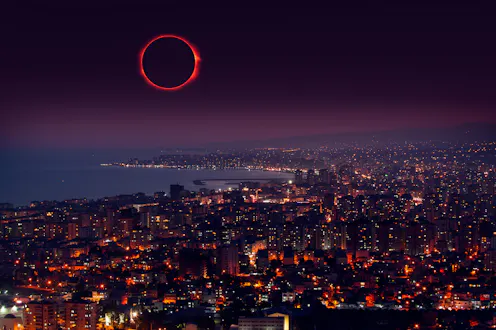
The sky is becoming more cluttered with satellites and space junk. This is affecting astronomical study, but will only have a minor effect — if any — on the viewing of the solar eclipse.
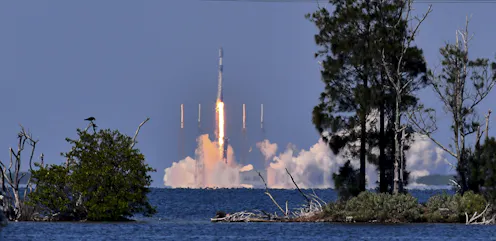
Rockets used to launch satellites fall back to Earth, and as their number grows, the risk faced by people living on the ground — or flying in airplanes — increases.
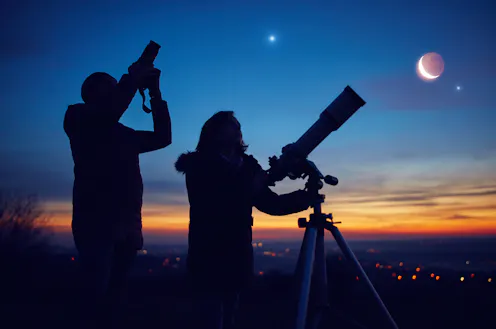
As thousands of new satellites enter Low Earth Orbit, it’s important to consider their potential impact, including possible environmental damage in addition to hindering the work of astronomers.
Contact Aaron for
- General
- Media request
- Speaking request
- Consulting / Advising
- Research collaboration
- Research supervision
- Article Feed
- Joined
