

Counseling in later life isn’t just for coping with loss and illness – it can help people work through questions of identity and how they seek meaning in their lives.
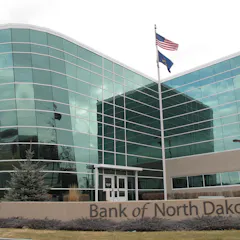
University of North Dakota

The University of North Dakota is the chief opportunity engine for its students and the State of North Dakota. Founded in 1883 – six years before North Dakota statehood – UND is among the nation’s premier regional public research universities. With an enrollment of 14,000 students, UND is a leader and innovator in rural and Indigenous health, energy, aerospace, autonomous systems, and national defense. Classified as a “Doctoral University: Higher Research Activity” institution by the Carnegie Foundation for the Advancement of Teaching, UND is characterized by a solid foundation of the liberal arts, high quality students and faculty, a diverse curriculum, a widely recognized program of graduate education and research, law and medical schools praised for quality and innovation, rich cultural resources, and an outstanding record of alumni support. Its major academic divisions include Arts and Sciences, Aerospace Sciences, Business and Public Administration, Education and Human Development, Engineering and Mines, Nursing and Professional Disciplines, Medicine and Health Sciences, Law, Extended Learning and the School of Graduate Studies. Long a provider of distance education, UND also has developed a robust online presence.
Links
Articles

Calls to reduce the use of antidepressants highlight valid issues with long-term use and withdrawal, but blanket efforts to discourage their use overlooks why they are so widely prescribed.

Mobile phones have become part of just about everyone’s emergency infrastructure. But what do you do when the power and service go out?

A maioria dos sobreviventes de descargas elétricas não apresenta cicatrizes visíveis, mas como suas lesões são invisíveis muitas vezes eles não recebem tratamento ou enfrentam ceticismo

Most lightning strike survivors have no visible scars, but their invisible injuries often go untreated.
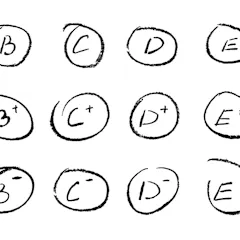
“No-zero” grading policies are becoming more common in US schools. South Carolina is the first state to ban these policies.

Increasing flash flooding is exhausting communities as they’re hit again and again.
Regardless of whether Americans think socialism is bad or good, or how they define it, most of them embrace socialist policies and programs – as long as no one calls them that.

Sometimes they hear they’re supposed to stay active and engaged. Other times they’re vilified for holding on to power too long. It’s all made ‘knowing when it’s time’ a whole lot harder.

Artemis II has been plagued by similar issues to those faced by its predecessor, leading NASA to shake up its plan to return humans to the Moon.

Approximately 52% of teachers in 2024 said they would not advise young adults to enter the profession.

A subset of AI called reinforcement learning is helping scientists improve nuclear fuel technology, which they could use to power spacecraft and rockets.

Faculty members say they are worried about job security but also whether they should be introducing certain topics, like gender, in their class or with colleagues.

Data analytics, putting safety out of bounds for competition, and collaboration among industry, labor and government are key to reducing a technology’s risks.

Nozes e vegetais de folhas verdes escuras estão no topo da lista, mas a diversidade é a chave para obter mais antioxidantes em sua dieta

Blueberries, walnuts and dark green leafy vegetables head the list, but diversity is the key to getting more antioxidants in your diet.

The Earth’s own heat can be brought up from underground and used as a source of energy that emits almost no greenhouse gases and can operate 24/7 almost anywhere on the planet.

While more Native Americans living on reservations attend college than in decades prior, just 10.3% earned college degrees in 2020.

The federal government is more likely to fund curiosity-driven basic research, while industry is more likely to support research that has a clearer eventual payoff.

Kids have a lot to say. Sometimes they just need a little help to feel confident speaking up.
Authors
-

Clinical Professor of Psychiatry and Behavioral Science, University of North Dakota
-
Director of Tribal Initiatives & Collaborations, University of North Dakota
-
Assistant Professor of Atmospheric Sciences, University of North Dakota
-
Professor of Aviation, University of North Dakota
-
Assistant Professor of Social Work, University of North Dakota
-
Associate Professor of Teaching and Leadership, University of North Dakota
-
Clinical Assistant Professor of Education, Health and Behavior Studies, University of North Dakota
-
Assistant Professor of Space Studies, University of North Dakota
-
Assistant Professor of Energy and Petroleum Engineering, University of North Dakota
-
Assistant Professor of Nutrition and Dietetics, University of North Dakota
-
Master's Student in Aerospace Sciences, University of North Dakota
-
Associate Professor of Science Education, University of North Dakota
-
Ph.D. Student in Aerospace Sciences, University of North Dakota
-
Dean, College of Education and Human Development, University of North Dakota
-
Research Assistant Professor of Aviation, University of North Dakota