
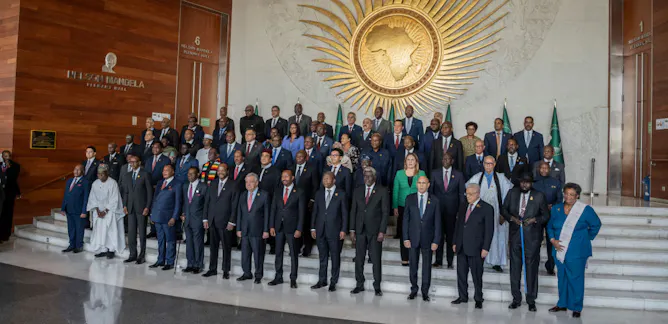
Without the AU, the continent would have weaker bargaining power and slower coordination on issues that touch public life.
University of Leipzig

Links
Articles

L'IA ne se contente pas de ressusciter les morts, elle les réécrit, les réutilise et les redistribue. Et cela s'accompagne d'une tristesse persistante.

AI does not simply revive, but rewrites, repurposes and redistributes the dead. And this is marked by a lingering sadness.
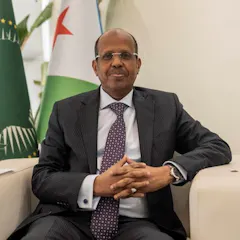
Le nouveau président de la Commission de l'UA a promis de défendre la juste représentation de l'Afrique dans les forums mondiaux. La tâche s'annonce ardue.
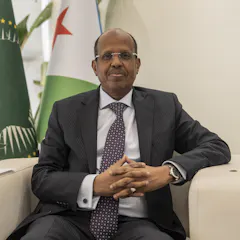
The new AU Commission chair promised to defend Africa’s fair representation and role in global forums. This is likely to be an uphill task.
Pour avoir un impact, les nouveaux dirigeants de l’UA doivent s’attaquer à six problèmes.

To make an impact, the AU’s incoming leadership must address six issues.
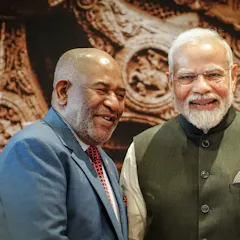
Que la Unión Africana se incorpore al G20 es un cambio importante que dará voz a los 55 Estados miembros en la renegociación en curso del orden mundial
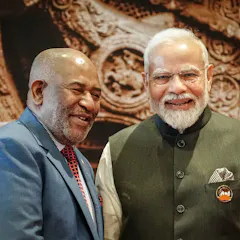
The African Union’s membership in the G20 is an important complement to existing strategic partnerships.

Pour progresser, les États membres doivent établir des priorités contraignantes, transparentes et applicables.
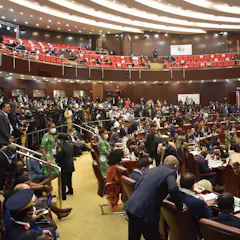
Member states need to arrive at binding, transparent and enforceable priorities to see progress.
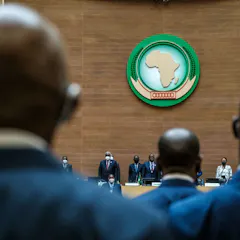
The Panel of the Wise shows promise but more needs to be done to turn it into a proactive pillar of Africa’s peace and security system.
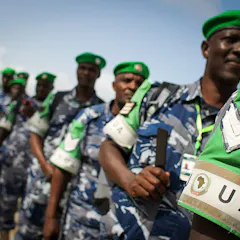
The African Union’s Continental Early Warning System was created to anticipate and prevent conflicts, but it’s gone.
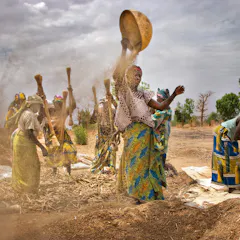
Reconstructed vocabulary sheds light on cultural items and people’s habitats, including the spread of ideas and the importance of certain concepts.
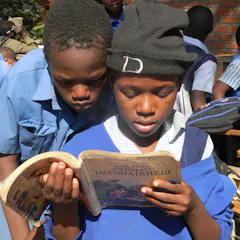
The International Year of Indigenous Languages serves as a good impetus to start implementing policies that prioritises Africa’s own languages.

Africa’s current situation has a parallel in European history - the Reformation and the changes it wrought in terms of language exceptionalism.
Africa needs a new strategy for mother-tongue based bilingual education, from primary through to tertiary level.

It is important that all South Africans learn to speak an African language. But is making a single language a compulsory university subject the best way to make this happen?
