South Africa’s minibus taxi industry contains extensive knowledge, organisation and social practices developed by the people who work in and depend on it.
University of Fort Hare

The University of Fort Hare is redefining its role as the producer and disseminator of new knowledge, particularly focusing on its central place in the reshaping of post apartheid South Africa, and repositioning itself as the empowerment agent in the political, economic, cultural and social revolution that is unfolding in the subcontinent and beyond. Its curriculum and research agenda is being tuned to resonate with the contextual social renaissance, both by stimulating it and by responding to it. At the same time it is utterly conscious of the need to engage and partner with the surrounding communities and region in a serving capacity and to extend into society at large through interesting new interconnections.
Following a decision by the Ministry of Education, the university has, since January 2004, been incorporating and integrating a new campus in the city of East London, formerly of Rhodes University, into UFH. This significant development in a new larger operating environment presents significant challenges as well as strategic opportunities for the calculated expansion of UFH into new markets, enabling it to play a stimulating and catalytic role in the development of the Buffalo City region. Hence it is strategically planning to grow and develop programmes in a much wider student market and is re-profiling Fort Hare across the three campuses in Alice, Bhisho and East London. As the backbone to a new academic system, five new faculties were established in 2005-6. Over the next period significant expansion in the portfolio of academic and strategic programmes are foreseen.
Links
Articles
South Africa’s social workers face a huge burden without much support, and burnout is a risk.
The use of artificial intelligence tools is among the top emerging issues in biodiversity conservation.

Climate change is threatening sheep farming in South Africa’s Drakensberg. Farmers are adapting but need mountain infrastructure, better climate warnings and vets.
When up to 3.5 million small businesses go green, this will benefit South Africa’s environment and help the businesses survive in a changing climate.
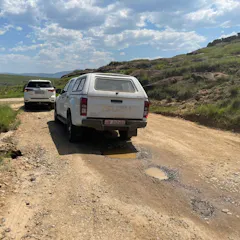
Infrastructure reflects political choices.

Reform must recognise that the sector’s social capital is its strength and its weakness.

South Africa’s water, energy and food crises are interconnected. Coordinated funding across all three, including community-led and blended finance, is needed.
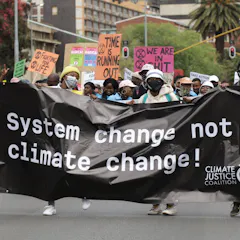
Recycling and cutting personal waste isn’t enough. Polluters must be regulated, and reparations paid by companies that have harmed the environment.
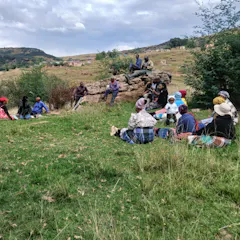
Rural communities in South Africa rely on public land to graze their livestock. They must be part of fighting soil erosion and restoring natural grasses.

Why isn’t academic development working effectively enough in South African higher education?

Women were often imprisoned with their abusers, making it nearly impossible to escape.
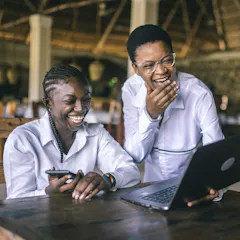
While the experience of transitioning from higher education to entrepreneurship was challenging, participants were able to draw heavily from informal networks to build and grow.
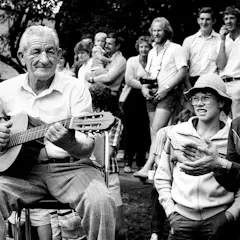
Ordinary Whites in Apartheid South Africa is a new book that explores how apartheid monitored and shaped white life, and how all classes of white people were complicit.

These social media posts aren’t just for fun – they’re a way to fight back against discrimination and show the world that queer love is powerful and important.

Students want more relatable examples, both of business leaders and of industry case studies.
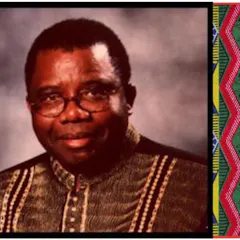
Lovemore Mbigi saw the African concept of ubuntu as a basis of effective human resources management.

By building and maintaining a personal brand, young social media users can identify work opportunities.
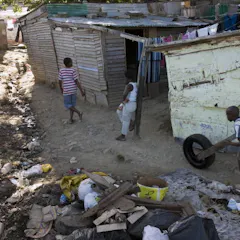
Social enterprises need to be proactive in improving their internal processes and structures. They also need to share essential information.

In over 30 countries LGBTIQ+ people would face imprisonment. Progress has been made but there is still a long way to go.
Authors
-

Researcher, University of Fort Hare
-
Research fellow, University of Fort Hare
-
Lecturer (Entomology), University of Fort Hare
-
Professor in Health Informatics, University of Fort Hare
-
Lecturer, University of Fort Hare
-
Lecturer, University of Fort Hare
-
Dean of the Faculty of Social Sciences and Humanities, University of Fort Hare
-
Senior Consultant Teaching and Learning, University of Fort Hare
-
Postdoctoral researcher, University of Fort Hare
-
Researcher, University of Fort Hare; University of Venda
-
Senior Researcher, UNESCO 'Oliver Tambo' Chair of Human Rights, University of Fort Hare, University of Fort Hare
-
Research associate, University of Fort Hare
-
Associate Professor and Head of Accounting in the Department of Accounting, Economics and Finance, University of Fort Hare
-
Professor, University of Fort Hare
-
South African Research Chair in Sexualities, Genders and Queer Studies, University of Fort Hare