
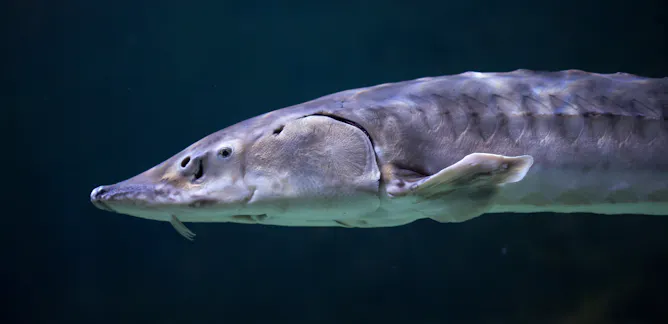
Los autores han desarrollado un sistema de inteligencia artificial para predecir el estado de conservación de miles de especies de peces de agua dulce.
U.S. Geological Survey

The USGS is a science organization that provides impartial information on the health of our ecosystems and environment, the natural hazards that threaten us, the natural resources we rely on, the impacts of climate and land-use change, and the core science systems that help us provide timely, relevant, and useable information.
The USGS serves the nation by providing reliable scientific information to describe and understand the Earth; minimize loss of life and property from natural disasters; manage water, biological, energy, and mineral resources; and enhance and protect our quality of life.
Links
Articles
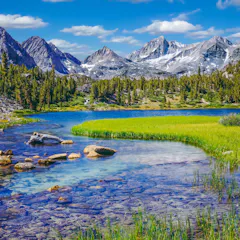
Protecting places that are likely to remain cool and moist as global temperatures rise can save wildlife of all kinds, but first we have to find them.
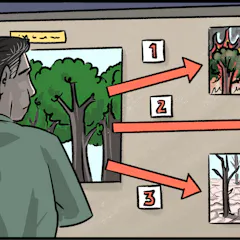
Park and forest managers can’t rely on the past any longer to understand future risks. Fires, pests and climate change are changing the game.
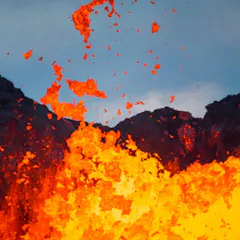
Lava dari gunung berapi punya suhu yang sangat panas. Tapi menjadikannya tempat pembuangan sampah tak hanya berbahaya tapi juga tak menghargai masyarakat adat yang menganggapnya sebagai situs sakral.
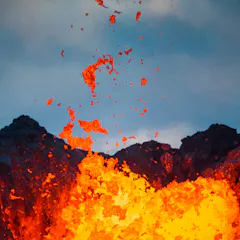
Volcanoes might seem like nature’s incinerators, but using them to burn up trash would be dangerous and disrespectful to indigenous people who view them as sacred.
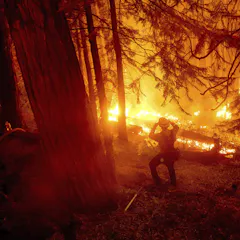
Not all forests respond to hotter and drier conditions in the same way.

Fire is part of the ecology in much of California, but recent wildfires have caused much more damage than past burns of similar size. A fire ecologist points to two key factors: winds and population growth.

On printed maps, piling on the detail risks obscuring the meaning. This new digital map is really more of a database from which users can create different versions that match their own interests.
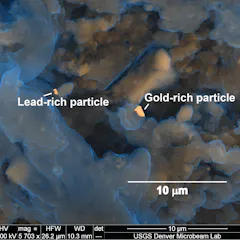
Mining waste rock from historic mines or even treated sewage to find useful metals and minerals could be a sustainable way to meet demand for these finite resources.
Authors
-

Research Ecologist, U.S. Geological Survey
-
Assistant Unit Leader - USGS Maine Cooperative Fish and Wildlife Research Unit, Assistant Professor - Department of Wildlife, Fisheries, and Conservation Biology, University of Maine, U.S. Geological Survey
-
Research Geologist, U.S. Geological Survey
-
Research Geologist, U.S. Geological Survey
-
Research Geochemist—Environment, disasters, and health, U.S. Geological Survey
-
Research Ecologist - Climate Impacts, U.S. Geological Survey
-
Research Geologist, U.S. Geological Survey
-
Research Physical Scientist, U.S. Geological Survey
-
Adjunct Full Professor of Environmental Conservation, UMass Amherst; U.S. Geological Survey