

Ce qui profite aux arbres en surface ne profite pas toujours au réseau trophique souterrain, peuplé de microbes et d’une faune détritivore, herbivore ou carnivore.
Swedish University of Agricultural Sciences

SLU develops the understanding and sustainable use and management of biological natural resources.
This is achieved by research, education and environmental monitoring and assessment, in collaboration with the surrounding community.
Links
Articles

Des saumons qui nagent plus loin, plus vite, et peut-être au mauvais endroit. Derrière cette anomalie comportementale se cache un phénomène global : la contamination des eaux par des résidus de drogues.
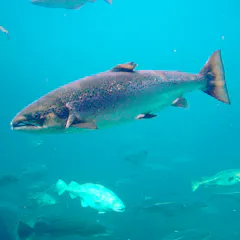
Drugs and their byproducts can end up in wild fish – and strange behaviour results.
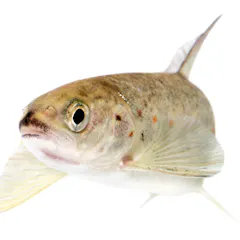
Pharmaceutical pollution can significantly affect wild animal behaviour, including speeding up salmon migration.
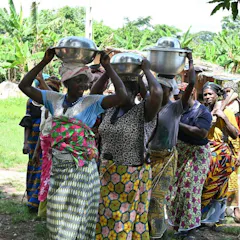
The gap must be bridged between new climate programmes and care work that underpins everyday environments.

Climate change, biodiversity loss and resource depletion are not isolated problems — they are part of an interconnected web of crises that demand urgent and comprehensive action.

The South African government has failed to reverse the decline in smallholder farming that began during apartheid. A different approach is needed to support smallholder livelihoods.
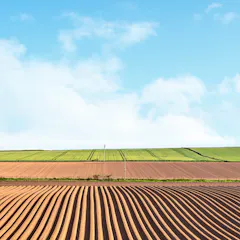
Britain has lost large areas of semi-natural habitat since the 1930s.

Africa’s Great Green Wall must immediately speed up to meet the needs of people along the edges of the Sahara Desert.
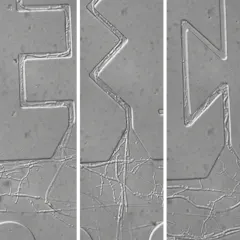
Using tiny ‘soil chips’, researchers have observed the forgaging strategies of fungi at a microscopic scale for the first time.

Most of the wastewater produced worldwide receives no treatment and the nutrients in wastewater go to waste. Here’s how households can draw these nutrients from urine and use them as fertilisers.
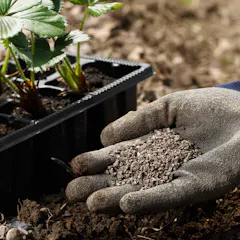
If rolled out worldwide, our method could replace a quarter of all the synthetic nitrogen fertiliser used in agriculture.
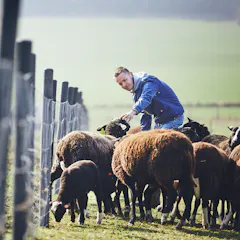
The €24 billion spent supporting farm incomes in richer regions could more than cover the EU’s Biodiversity Strategy.

Glacier mice aren’t rodents – they’re mysterious balls of moss that manage to live in one of the world’s harshest environments.
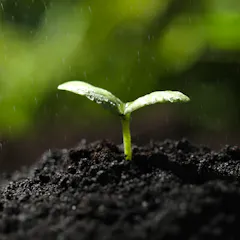
That smell you detect after it rains is part of a chemical language between bacteria and animals.

Weeks out from summer, new research says there is no evidence shark nets keep us safe from sharks.
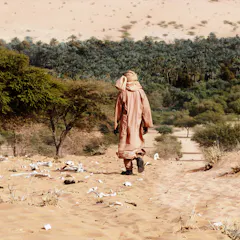
Africa’s great green wall suffers from a major mismatch between ambition and effort. But that’s not to say it should be ditched altogether.
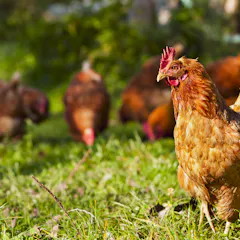
Anopheles arabiensis is the world’s most common, malaria-carrying mosquito. Now it’s emerged that chickens emit an odour that can repel the deadly insects.
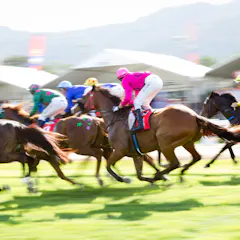
It’s a year since the tragic death of two Australian jockeys and the sport has claimed two more lives since then. So what is being done to imprve safety in horse racing?
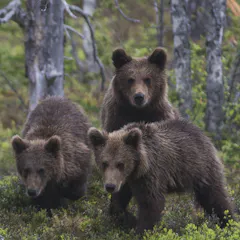
In a rare conservation success story, research has shown that numbers of wild large carnivores in the continent have been steadily increasing and a third of the European mainland now has at least one kind…
Authors
-

Senior Lecturer in Landscape Ecology, Swedish University of Agricultural Sciences
-
Professor of Environmental Engineering, Swedish University of Agricultural Sciences
-
Researcher in Behavioural and Movement Ecology, Swedish University of Agricultural Sciences
-
Postdoctoral Researcher in Environmental Engineering, Swedish University of Agricultural Sciences
-
Associate professor in Rural Development, Swedish University of Agricultural Sciences
-
Environmental Assessment Specialist, Swedish University of Agricultural Sciences
-
Adjunct Research Scientist, Swedish University of Agricultural Sciences
-
Associate Professor in Agricultural and Environmental Economics, Swedish University of Agricultural Sciences
-
Instructor and Researcher, SLU Centre for Biological Diversity, Department of Urban and Rural Development, Swedish University of Agricultural Sciences
-
Associate professor in Chemical Ecology, Swedish University of Agricultural Sciences
-
Professor, Division of Forest Microbiology, Swedish University of Agricultural Sciences
-
Senior Researcher, Swedish University of Agricultural Sciences
-
Professor in the Department of Plant Protection Biology, Swedish University of Agricultural Sciences
-
Professor, Swedish University of Agricultural Sciences
-
Project Manager, Swedish University of Agricultural Sciences