

Les universités devraient enseigner les bases de l'IA et insister sur l'importance de développer ses connaissances .
Rhodes University

Founded in 1904, Rhodes University is a well-established University located in Grahamstown in the Eastern Cape province of South Africa.
It is a small research intensive university which enjoys the distinction of having amongst the best undergraduate pass and graduation rates in South Africa, outstanding postgraduate success rates, and the best research output per academic staff member.
The University takes pride in its motto, Where Leaders Learn, and in producing graduates who are knowledgeable intellectuals, skilled professionals, and critical, caring and compassionate citizens who can contribute to economic and social development and an equitable, just and democratic society.
Links
Articles

Universities should teach AI literacy, emphasise why developing knowledge is important and teach students why being an expert matters.
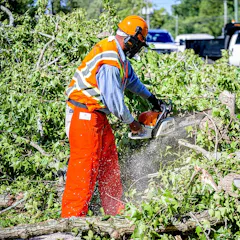
South Africa’s Working for Water programme addresses environmental issues and provides temporary jobs. But it’s not equipping participants for stable employment.
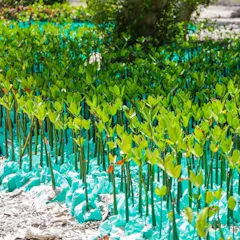
Les universités du Sénégal et d'Afrique du Sud forment désormais aux solutions fondées sur la nature pour lutter contre le changement climatique.
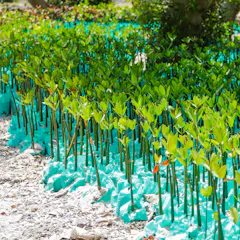
Universities in Senegal and South Africa are now teaching the skills of setting up nature-inspired projects to deal with some of the problems of climate change.

There has been a growing recognition that psychology, as a discipline, must engage more deeply with local contexts.
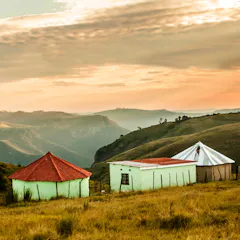
Architectural changes have not altered the cultural norms, values, habits and behaviours attached to Xhosa rondavels.

Rhodes University has been running a course to help students understand how education will equip them for life – not just work.

Once these chemicals are in an environment they almost never break down.
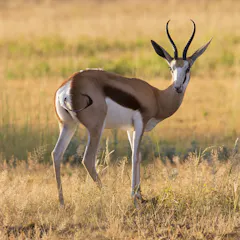
Almost half of those surveyed couldn’t name a single national symbol. They are used to forge a national identity in many countries.
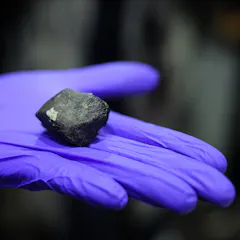
Meteorites contain a wealth of information about the origins of our solar system, helping us to understand their, and even Earth’s, origin and evolution.

Le papillomavirus humain est la principale cause du cancer du col de l'utérus, mais toutes les personnes infectées ne développent pas la maladie.

The human papillomavirus is the primary cause of cervical cancer – but not all infected individuals develop the disease.

South Africa’s National Arts Festival’s economic impact on its host city, Makhanda, is estimated to be US$4.5 million a year. But it also makes an impact on a social and an artistic level.

Only 5% of South Africa’s energy comes from solar power while 85% is generated from coal. Loans, more subsidies and security for rooftop solar panels need to be put in place.

Social media platforms need to open up data to Africans and researchers in the global south.
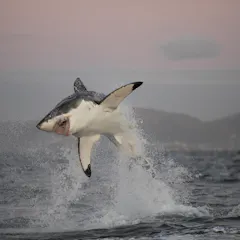
The majestic white shark that once drew many tourists to South Africa’s western and southern Cape regions has all but disappeared. The only explanation can be a sharp decline in the population.
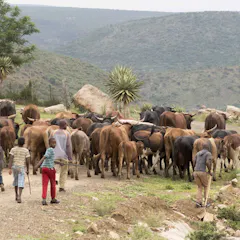
Planting millions of trees in natural grassland is largely ineffective in the battle against global warming because it adds little or no additional carbon storage.

Le sommeil est un élément essentiel de la vie. Que se passe-t-il lorsque l'on ne dort pas assez et comment s'assurer que l'on dort suffisamment ?
Sleep is an essential part of life. What happens when we don’t get enough sleep and how do we ensure that we do?
Authors
-

Honorary Professor at the Institute for Water Research, Rhodes University
-
Professor of Psychology, Rhodes University
-
Associate Professor Educational Technologies, Rhodes University
-
Sustainability Researcher, Institute for Water Research, Rhodes University
-
Research Fellow, Rhodes University
-
Postdoctoral research fellow, Rhodes University
-
Research Associate, Neil Aggett Labour Studies Unit, Rhodes University
-
Researcher, ARUA Water Centre of Excellence, Institute for Water Research, Rhodes University
-
Associate Professor, Rhodes University
-
Senior Researcher, Critical Studies in Sexualities and Reproduction, Rhodes University
-
Professor of Environmental Science, Rhodes University
-
Professor of Higher Education, Rhodes University, South Africa, Rhodes University
-
Associate Professor at the ARUA Water Centre of Excellence Academic Manager, Institute for Water Research, Rhodes University
-
Research associate, Rhodes University
-
Researcher in Environmental Science, Rhodes University