

El Niño can trigger intense periods of extreme ocean warming known as marine heat waves that can devastate marine life.
National Oceanic and Atmospheric Administration

NOAA’s Mission:
Science, Service, and Stewardship. To understand and predict changes in climate, weather, oceans, and coasts, To share that knowledge and information with others, and To conserve and manage coastal and marine ecosystems and resources.
NOAA is an agency that enriches life through science. Our reach goes from the surface of the sun to the depths of the ocean floor as we work to keep citizens informed of the changing environment around them.
From daily weather forecasts, severe storm warnings and climate monitoring to fisheries management, coastal restoration and supporting marine commerce, NOAA’s products and services support economic vitality and affect more than one-third of America’s gross domestic product. NOAA’s dedicated scientists use cutting-edge research and high-tech instrumentation to provide citizens, planners, emergency managers and other decision makers with reliable information they need when they need it.
NOAA’s roots date back to 1807, when the Nation’s first scientific agency, the Survey of the Coast, was established. Since then, NOAA has evolved to meet the needs of a changing country. NOAA maintains a presence in every state and has emerged as an international leader on scientific and environmental matters.
Links
Articles
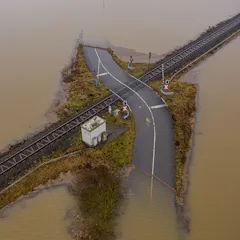
Climate scientist Nadir Jeevanjee speaks on The Conversation Weekly podcast about how the pioneers of climate modelling got many of their predictions right.

Desde o aumento das temperaturas globais até a amplificação do aquecimento no Ártico, os primeiros modelos climáticos previram as mudanças há meio século.
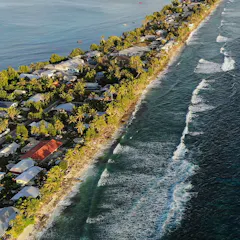
From rising global temperatures to the fast-warming Arctic, early climate models predicted the changes half a century ago.
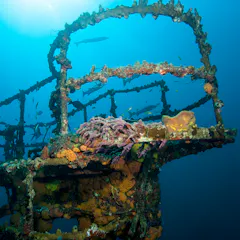
Artificial reefs are structures that humans put in place underwater that create habitat for sea life. A new study shows for the first time how much of the US ocean floor they cover.
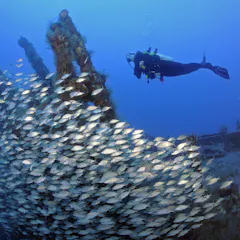
When ships sink, they add artificial structures to the seafloor that can quickly become diverse, ecologically important underwater communities.
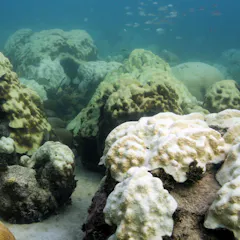
Water temperatures in the 90s off Florida in July are alarming, a NOAA coral scientist writes. Scientists in several North American countries have already spotted coral bleaching off their coasts.
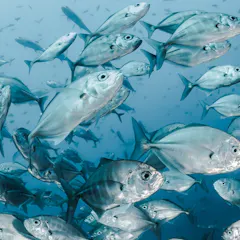
El Nino dapat memperkuat sekaligus memperluas gelombang panas laut ekstrem yang dapat menghancurkan kehidupan perairan
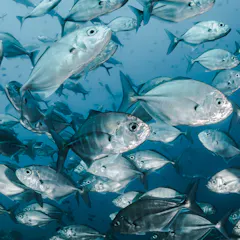
El Niño can trigger intense and widespread periods of extreme ocean warming known as marine heat waves. They can devastate marine life.

The media often call unusually cold, snowy storms a ‘polar vortex.’ The real polar vortex isn’t coming down to visit the lower 48, but changes to the polar vortex can influence winter weather.
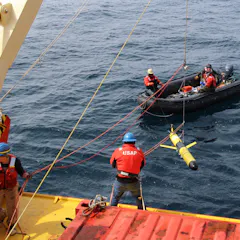
Sending autonomous vehicles to the Southern Ocean can be fraught with anxiety, especially if one of them doesn’t make radio contact when it’s supposed to.
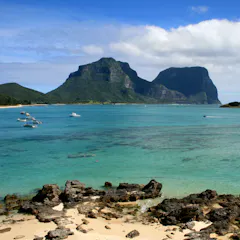
Marine heatwaves have caused coral bleaching in one of the most isolated ecosystems in the world.
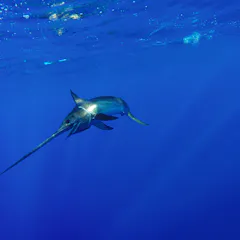
A new tool called EcoCast helps fishermen in the West Coast figure out where it’s best to fish that day.
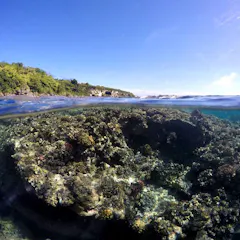
If researchers shared their data, we could take a big step towards saving the world’s coral reefs.
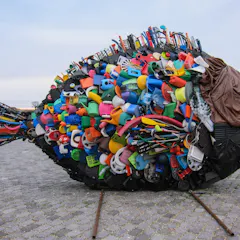
La mer de plastique dans laquelle nagent les poissons n’est pas seulement une catastrophe écologique. Elle met en danger des espèces comme les anchois qui prennent ces débris pour de la nourriture.
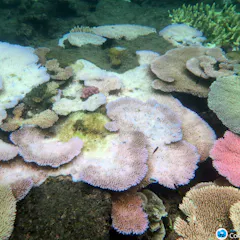
Regional variations in sea temperature can make all the difference between a coral reef suffering major bleaching or surviving as a refuge for corals, new research shows.
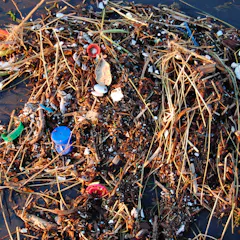
A new study shows that anchovies – key food for larger fish – are attracted to plastic trash because it smells like food. This suggests that toxic substances in plastic could move up through food chains.
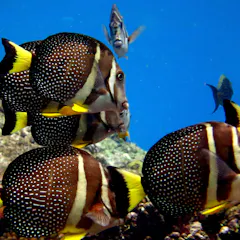
Plant-eating fish control the spread of seaweed and algae on coral reefs. New research explaining why populations of these fish vary from site to site could lead to better reef protection strategies.

Months after record breaking coral bleaching, research teams are taking stock of the damage on the Great Barrier Reef.

Global climate change is altering the chemistry of the oceans. A recent study suggests that the Pacific coast’s lucrative Dungeness crab fishery could suffer as ocean water becomes more acidic.
Authors
-

Chemistry & Climate Processes Research Scientist, National Oceanic and Atmospheric Administration
-
Research Marine Biologist, National Oceanic and Atmospheric Administration
-
Coordinator, Coral Reef Watch, National Oceanic and Atmospheric Administration
-
Research Scientist, National Oceanic and Atmospheric Administration
-
Climate Research Scientist, National Oceanic and Atmospheric Administration
-
Research Ecologist, National Oceanic and Atmospheric Administration
-
Research Ecologist, National Oceanic and Atmospheric Administration
-
Coral Reef Ecologist, National Oceanic and Atmospheric Administration
-
Branch Chief Hurricane Specialist Unit at the National Hurricane Center, National Oceanic and Atmospheric Administration
-
Chief, Data Set Branch, Center for Weather and Climate, NOAA's National Centers for Environmental Information, National Oceanic and Atmospheric Administration
-
Research Biologist, National Oceanic and Atmospheric Administration
-
Research Physical Scientist, National Oceanic and Atmospheric Administration
-
Research Ecologist, National Oceanic and Atmospheric Administration