
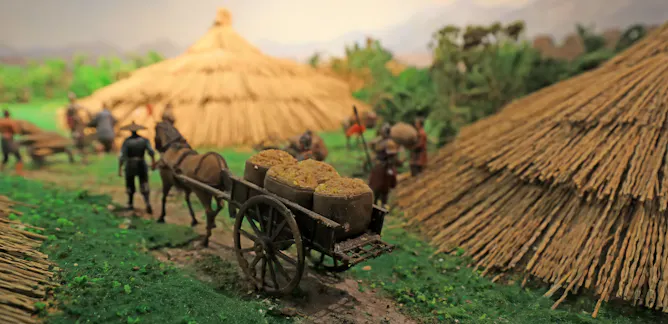
Human history has been shaped by interactions between communities.
Max Planck Institute for Evolutionary Anthropology

The Max Planck Institute for Evolutionary Anthropology focuses on matters regarding the origins of humankind. The Institute’s researchers study widely-differing aspects of human evolution. They analyse the genes, cultures and cognitive abilities of people living today and compare them with those of apes and extinct peoples. Scientists from various disciplines work closely together at the Institute: Geneticists trace the genetic make-up of extinct species, such as Neanderthals. Behaviourists and ecologists, for their part, study the behaviour of apes and other mammals.
Links
Articles
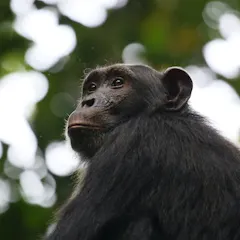
Les chimpanzés possèdent des adaptations génétiques qui peuvent les protéger contre le paludisme.

Chimpanzees bear genetic adaptations that help them thrive in their different forest and savannah habitats. Some of the adaptations may protect against malaria.

Ancient human genomes reconstructed from remains at a southern African rock shelter show remarkable genetic continuity over time.
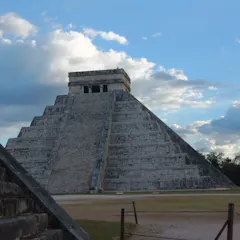
At the heart of the Maya civilisation were sacred sites where ritual sacrifices took place. A new DNA analysis reveals more about this practice and Maya genetic legacy.
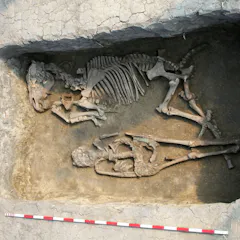
The Avars dominated southeastern central Europe for hundreds of years, leaving one of the richest archaeological heritages in Europe. Now scientists are using DNA to reveal details of their societies.

Os ancestrais genealógicos e genéticos não são a mesma coisa. Uma correspondência de DNA - ou a falta de uma - pode não lhe dizer o que você imagina sobre sua árvore genealógica.

Genealogical and genetic ancestors aren’t the same thing. A DNA match − or a lack of one − may not tell you what you imagine it does about your family tree.

After sifting through DNA from almost 10,000 people from ancient and pre-modern societies, we have discovered six cases of Down syndrome in past human populations.
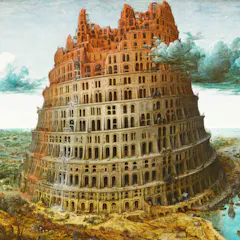
The idea a language should grow simpler if people need to learn it as adults has an intuitive appeal. But an analysis of more than 1,200 languages shows this doesn’t quite stack up.
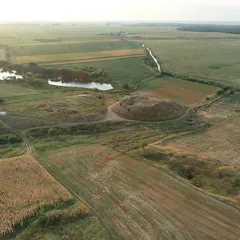
Ancient DNA from Ukraine uncovers the earliest evidence of the arrival of the ‘steppe ancestry’ – the last piece of the modern Western European genetic puzzle.

Ancient microbes likely produced natural products their descendants today do not. Tapping into this lost chemical diversity could offer a potential source of new drugs.
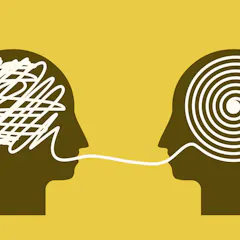
A new, extensive database of language grammars from around the world indicates an alarming trend of global language loss.

Ancient DNA from Neanderthal fossils in southern Siberia reveals a small community with close family ties – including a father and his teenage daughter.
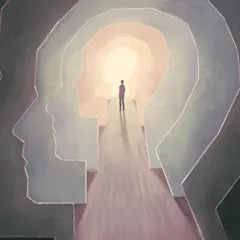
Some scientists believe the ‘free energy principle’ can explain the behaviour of all living things – but others say it paints the world with too broad a brush to be useful.

Genetic analysis of intact blocks of sediment from archaeological sites reveals that microscopic fragments of fossil bone and faeces are the main sources of ancient DNA.

Our research has also uncovered major long-term changes in ancient animal populations at Denisova Cave, and has provided the first direct evidence of Homo sapiens having lived there.
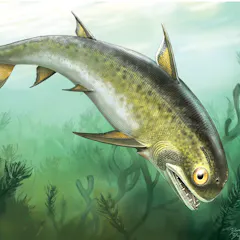
Scientists have long believed that sharks were the first vertebrates to evolve teeth. Our new study reveals a more complex history.

New research shows that children as young as six have the social skills necessary to cooperate and sustain a shared resource.
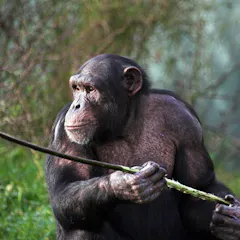
New, fascinating observations about the behaviour of wild chimpanzees showed that they can apply a complex technique to access honey.
Authors
-

Postdoctoral Researcher in Archaeogenetics, Max Planck Institute for Evolutionary Anthropology
-
Human Behavior, Ecology and Culture, Max Planck Institute for Evolutionary Anthropology
-
Postdoctoral research fellow, Max Planck Institute for Evolutionary Anthropology
-
Postdoctoral Researcher, Department of Archaeogenetics, Max Planck Institute for Evolutionary Anthropology
-
Group Leader, Department of Archaeogenetics, Max Planck Institute for Evolutionary Anthropology
-
Postdoctoral researcher, Max Planck Institute for Evolutionary Anthropology
-
Postdoctoral researcher, Genetic History Group, Max Planck Institute for Evolutionary Anthropology
-
Group leader, Department of Archaeogenetics, Max Planck Institute for Evolutionary Anthropology
-
Postdoctoral research associate, Max Planck Institute for Evolutionary Anthropology
-
Staff Scientist, Max Planck Institute for Evolutionary Anthropology
-
Doctoral Researcher, Department of Linguistic and Cultural Evolution, Max Planck Institute for Evolutionary Anthropology
-
Postdoctoral research associate, Max Planck Institute for Evolutionary Anthropology
-
PhD Student, Max Planck Institute for Evolutionary Anthropology
-
Group Leader Population Genetics, Max Planck Institute for Evolutionary Anthropology
-
Guest Researcher, Philosophy, Max Planck Institute for Evolutionary Anthropology