
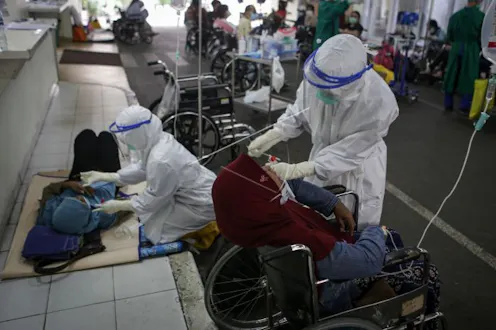
Physicians and other health professionals’ dedication to fighting COVID-19 reflects the commitments of Indonesian physicians and medical students in colonial times.
In English – Artikel, Analisis, Komentar
Menampilkan 176 - 200 dari 641 artikel
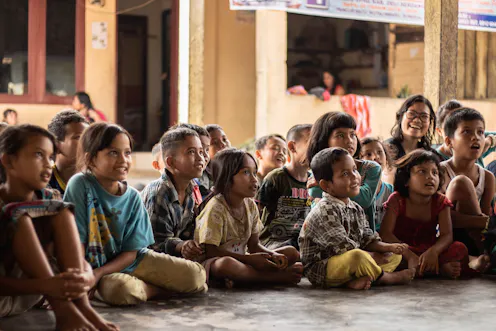
Researchers can refer to the “Handbook for Children’s Participation in Research in Indonesia” to design appropriate and ethical methods of child participatory research.
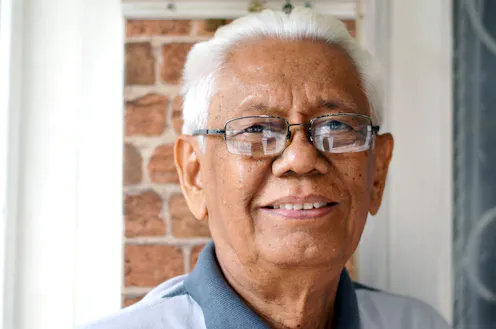
How does a writer, former political detainee and health practitioner confront the prospect of the collapse of his country’s health system?
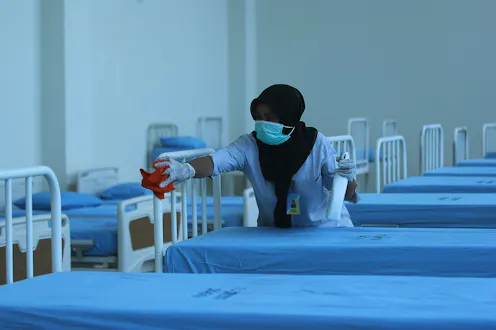
Our latest study finds that the complexities of Indonesia’s COVID-19 data management have contributed to this problem.
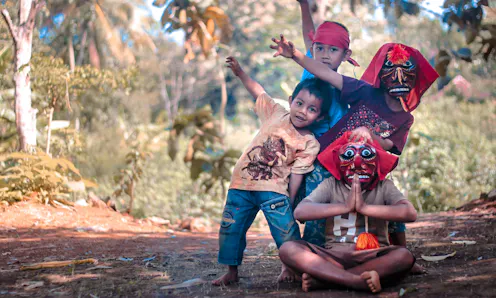
Children’s meaningful participation is important because their needs and potential will be fulfilled when adults understand their position and listen to their voices and experiences.
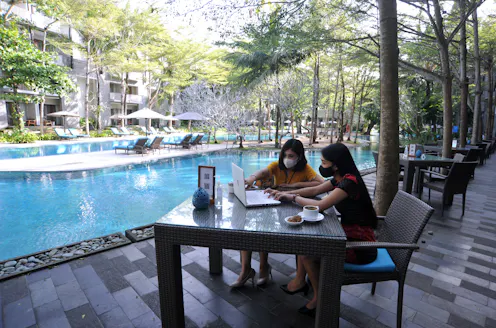
The Indonesian government should consider opening its plan to the world by turning Bali into a “Zoom island”.

As the saying goes, you can lead a horse to water, but you can’t make it drink. Just because students are given the freedom to learn, it does not mean they will.
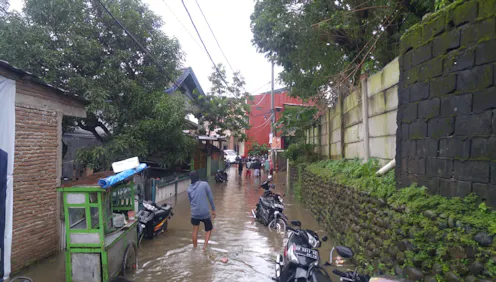
Residents of flood-prone areas have been counting on local knowledge and community support to deal with floods for centuries. Can scientists work with them to better understand floods?
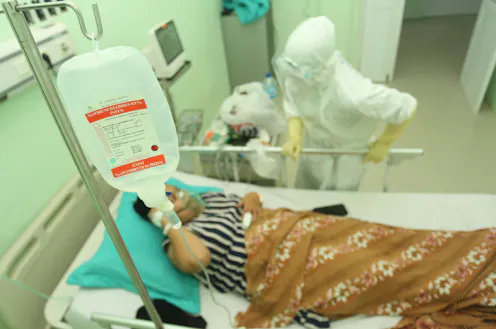
Our latest research recommends that Indonesia build a partnership with Australia to develop resilient and responsive healthcare supply chains using modern digital technologies.
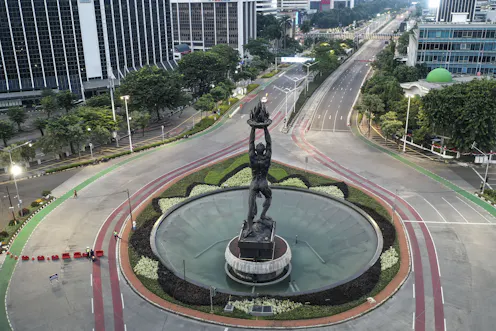
Two things contribute to increased COVID-19 cases in several countries in Southeast Asia: human mobility and activities and the spreading of new coronavirus variants.
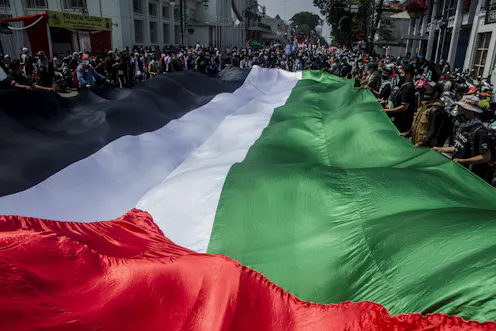
China can play as a good mediator in this Israel-Palestine conflict
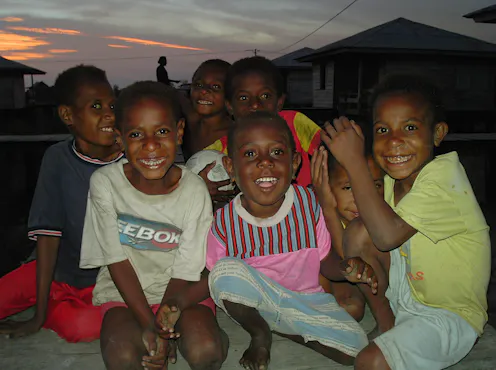
The campaign is a strategy by the government to manipulate the Papuans to retain an Indonesian national agenda.
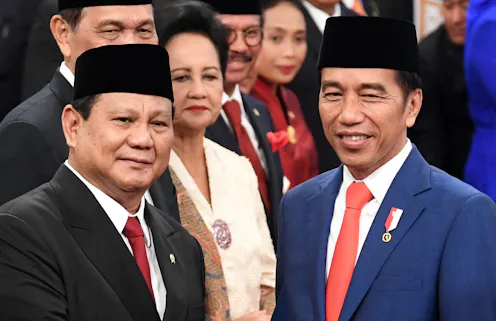
The budget number, slated to cover a 25-year-period, is not peculiar. Nevertheless, weapon systems procurement needs to involve good governance, accountability and legislative oversight.
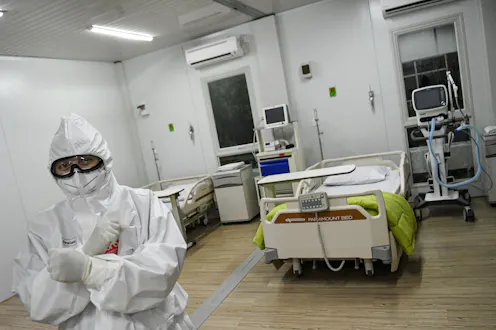
Significant discrepancies in the quantity and quality of hospitals’ facilities and services for COVID-19 treatment have contributed to increasing risks for medical workers.
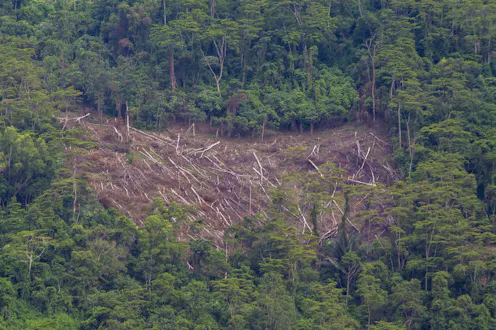
COVID-19 has had both positive and negative implications for the Indonesian environment, but post-pandemic prospects are not looking good.
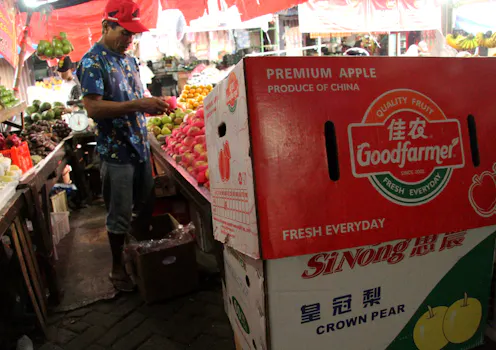
Indonesia needs to learn from China’s economic success, especially when Indonesia-China’s relations are mainly based on economics.
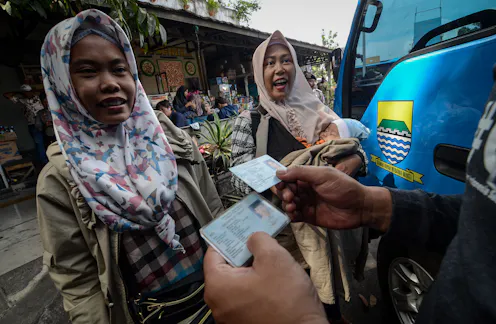
Poverty, vulnerability and discrimination are barriers many Indonesians face in acquiring identity documents.
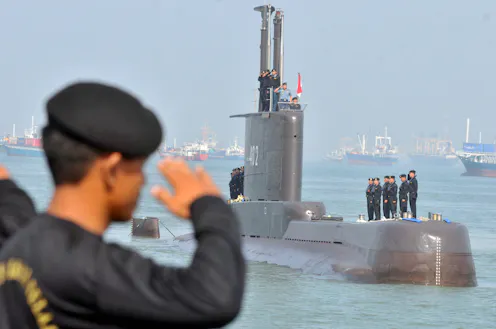
Indonesian defence planners need to assume the worst-case scenario of future weapon system accidents and account for the whole acquisition lifecycle in weapon system procurements.

Biak inhabitants fear a new space project of Elon Musk, if it goes ahead, will damage their environment, cultures and livelihoods, and potentially displace local communities.

Tourism development should support local communities to increase their skills and knowledge to better equip them to be resilient to crises and economic shocks.

Raising income taxes for the super-rich can help ease the burden on government budgets and reduce inequality in society.

Mergers and splits involving education and research ministries, like the recent one in Indonesia, have huge consequences. How do other countries govern their national education and science policies?
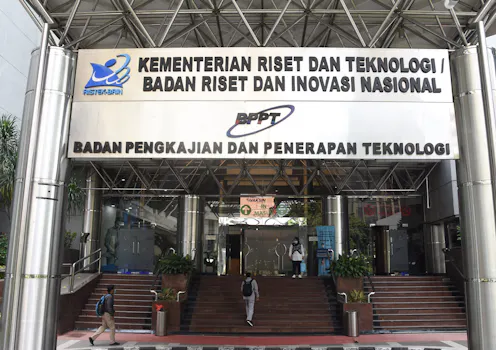
The institutional design of BRIN allows for political intervention, showing how the Indonesian government is unwilling to prioritise research and technology.
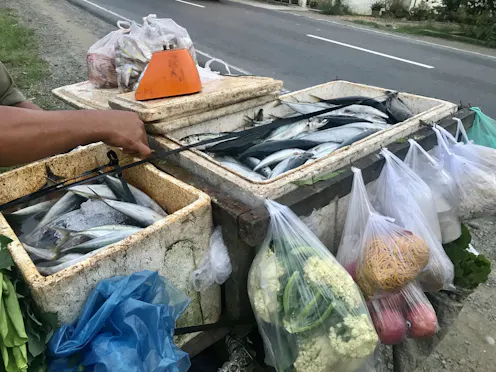
Local, flexible buyers and networks helped support small-scale seafood supply chains coping with COVID-19 disruptions.

When Australian universities cancel their language programs, they abandon their crucial role in promoting engagement with Indonesia. In the long run, ties between the two countries will suffer for it.